
- India,
- 21-Aug-2026 08:48 AM IST



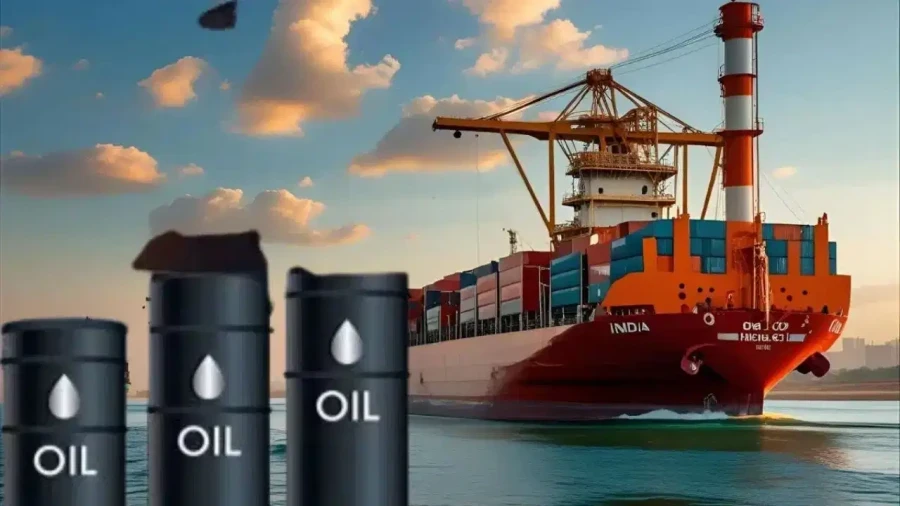
India and Mauritius have entered into a major long-term agreement for the supply of critical petroleum products, including petrol, diesel, and aviation turbine fuel (ATF). This strategic move is designed to strengthen the energy cooperation between the two nations and ensure a steady flow of essential fuels to the island nation. The government of Mauritius officially announced the deal on Thursday, highlighting that this partnership will Importantly enhance the country's energy security, especially in light of the ongoing disruptions caused by conflicts in West Asia.
Strategic Agreements and Ministerial Involvement
The comprehensive fuel deal was finalized during the visit of India's Union Minister for Petroleum and Natural Gas, Hardeep Singh Puri, to Mauritius. The agreements include a government-to-government Memorandum of Understanding (MoU) for cooperation in the oil and gas sector, alongside a specific sales and purchase agreement with the Indian Oil Corporation (IOC). While the exact quantities of the fuel supply and the specific commercial or financial terms have not been publicly disclosed by either party, the agreement marks a pivotal shift in how Mauritius secures its energy needs.
Scope of the Fuel Supply
The purchase agreement covers a range of refined petroleum products that are vital for the daily functioning and economic stability of Mauritius. These include petrol for transport, diesel for industrial and transport use, and aviation turbine fuel (ATF) for the aviation sector. Minister Hardeep Singh Puri emphasized the significance of this partnership, noting that Mauritius is the first country outside of South Asia to enter into such a comprehensive supply arrangement with an Indian state-run oil company. This arrangement is the culmination of high-level discussions that have been ongoing since the beginning of this year.
Context of Global Energy Security
The importance of this deal is underscored by the current geopolitical climate. During his visit to Mauritius in April, India's External Affairs Minister S. Jaishankar had indicated that India was working toward finalizing a government-to-government agreement to bolster Mauritius's energy security. Jaishankar pointed out that the crisis in West Asia has highlighted the critical need for strategic partnerships in the energy sector, while specifically, conflicts and disruptions around the Strait of Hormuz—a vital artery for global oil shipments—have historically impacted energy supplies and led to volatility in crude oil prices. By securing a direct supply line from India, Mauritius aims to mitigate these external risks.
Expanding the Energy Partnership
The MoU aims to go beyond simple fuel supply, seeking to deepen cooperation across the entire oil and gas value chain. This includes a focus on sustainability and the growing alignment between India and Mauritius on energy matters, while india is also actively supporting Mauritius in its transition toward renewable energy. During his April visit, S. Jaishankar mentioned that an Indian state-owned enterprise is currently constructing the first floating solar power project in Mauritius, while Also, the two nations are collaborating on several renewable energy initiatives, such as the installation of an 8 MW solar power plant in Henrietta. This cooperation also extends to international platforms like the International Solar Alliance (ISA) and the Global Biofuels Alliance (GBA).
Strengthening Bilateral Ties
This energy agreement is a reflection of the broader expansion of bilateral relations between India and Mauritius. " Since then, the scope of this partnership has grown to include maritime security, developmental assistance, healthcare, education, and capacity building. Also, India is providing support to Mauritius for sustainable public transport solutions, including the deployment of e-buses, further demonstrating the multifaceted nature of their cooperation.