
- India,
- 04-Oct-2026 12:32 PM IST



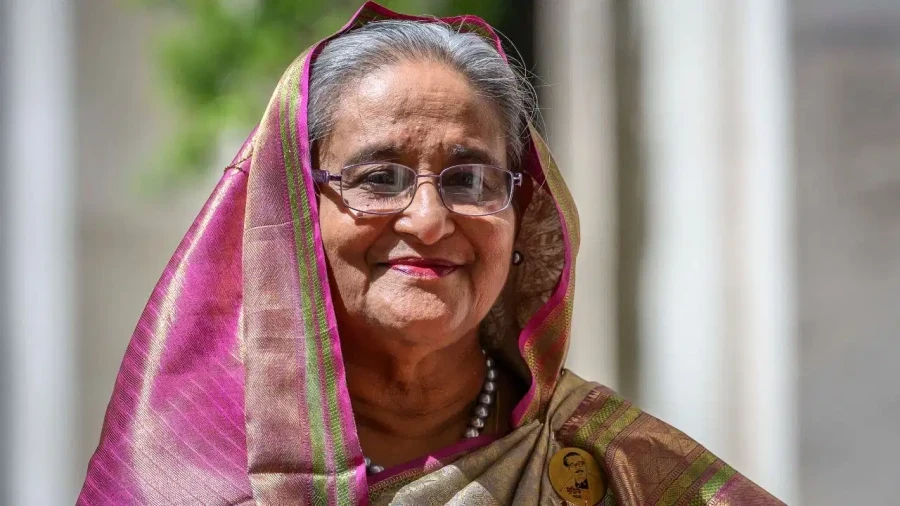
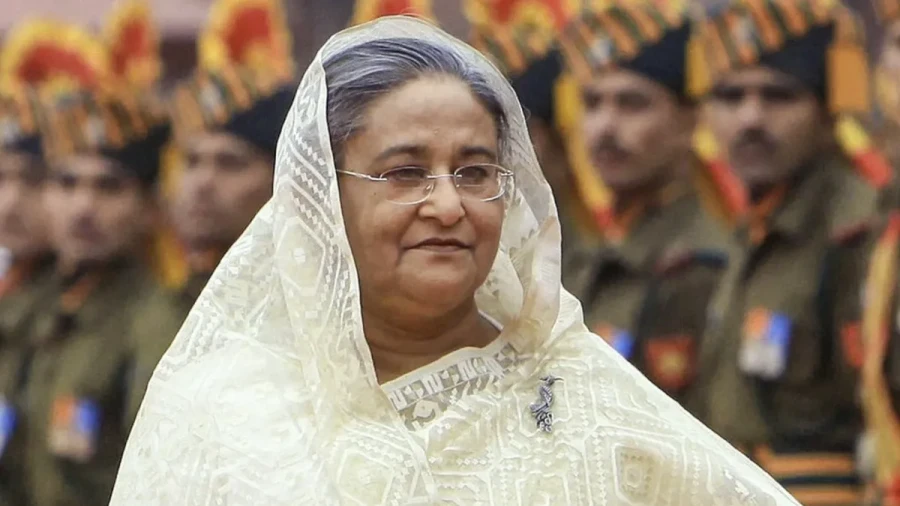
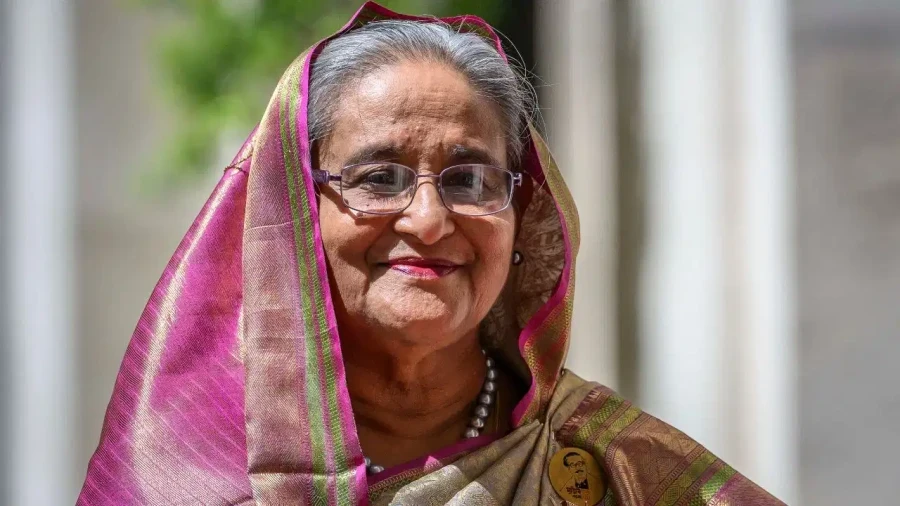
The Government of India has officially addressed the ongoing discussions regarding the extradition of former Bangladesh Prime Minister Sheikh Hasina, stating that there is currently no fixed timeline for her return to Bangladesh. This development comes after India received a formal request from the Bangladeshi authorities to extradite the former leader. According to Indian officials, the request is presently undergoing a thorough legal examination to ensure that all procedures align with established diplomatic and judicial protocols.
Statements from High Commissioner Dinesh Trivedi
The update on this sensitive matter was provided by Dinesh Trivedi, India's High Commissioner to Bangladesh, during the Bay of Bengal Conversation 2026 held in Dhaka. Addressing the gathering, the High Commissioner emphasized that the extradition process is a matter of legal procedure and that India can't provide a specific timeframe at this stage. He clarified that the case is moving through the necessary legal channels, and any decision will be made based on the outcome of this scrutiny.
Context of Sheikh Hasina's Arrival in India
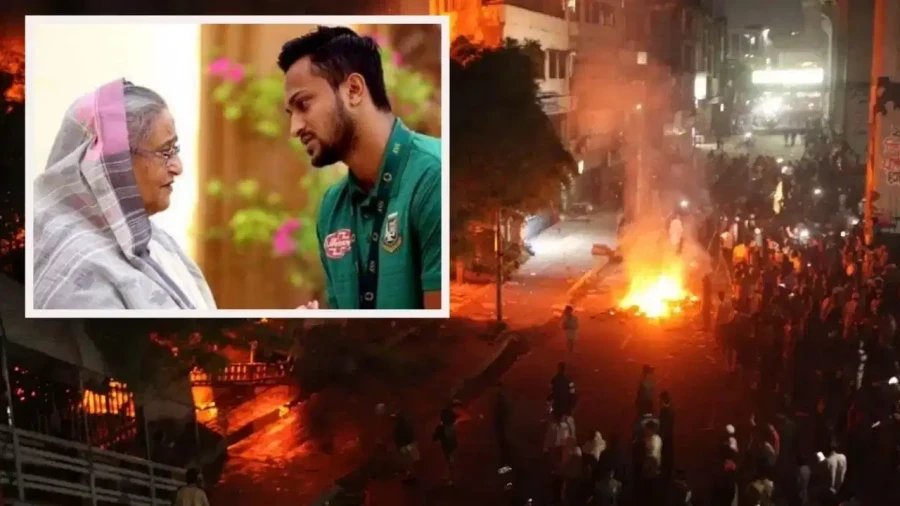
Sheikh Hasina arrived in India in August 2024 amidst a rapidly escalating political crisis in Bangladesh. Indian authorities have noted that the situation at the time was deteriorating quickly, leaving India with very few options other than to permit her entry on humanitarian and security grounds. The decision to allow her into the country was seen as a necessary step to maintain stability amidst the growing cross-border crisis. Since her arrival, she has remained in India while the political landscape in Bangladesh has shifted Importantly.
The Legal Framework: 2013 Extradition Treaty
The decision regarding the extradition request will be governed by the 2013 Extradition Treaty signed between India and Bangladesh. This treaty was further amended in 2016 to streamline the process of handing over individuals accused of crimes. While the treaty provides a framework for the return of accused persons, it also includes specific exceptions related to political offenses and certain domestic judicial matters, while because the request is currently under legal review, the Indian government can't take a purely political decision. The role of Indian courts will be significant in this process, and the final outcome will depend on the interpretation of the treaty's provisions and the legal merits of the case.
Current Governance in Bangladesh
Bangladesh is currently under a government led by Tariq Rahman. This administration has formally requested India to send Sheikh Hasina back to face legal proceedings. In Bangladesh, several cases have been initiated against the former Prime Minister, and the current government is seeking her presence to move forward with these judicial actions. India's response to this request is being watched closely as it involves balancing international legal obligations with diplomatic sensitivities.
Impact on Bilateral Relations
Despite the complexities surrounding the extradition case, India has maintained that bilateral relations with Bangladesh remain active. Both nations continue to engage in high-level discussions on various critical issues, including trade, energy grid connectivity, and cross-border infrastructure projects. India has emphasized that the core relationship between the two countries has not been negatively impacted by the internal political changes in Bangladesh or its evolving relationships with other nations. The Indian government is now tasked with finding a balance between the requirements of the extradition treaty, humanitarian considerations, and the long-term strategic partnership with Bangladesh.