

- India,
- 07-Jul-2025 04:40 PM IST


Modi 3.0 Government: It is no secret that India is a major importer country in the world. But now India has taken steps towards becoming an exporter. The path to this ambitious goal passes through the sea, because to become a leader in global trade, it is imperative to have strong maritime power. For this, India needs hundreds of new ships, and the government has started a new scheme in this direction.
Rise of a new scheme
The previous scheme, which aimed to promote Indian flagged ships, failed to achieve its goals. According to media reports, only Rs 330 crore was disbursed under this scheme, and the share of Indian ships remained stuck at just 8% in imports. This failure prompted the government to formulate a new strategy.
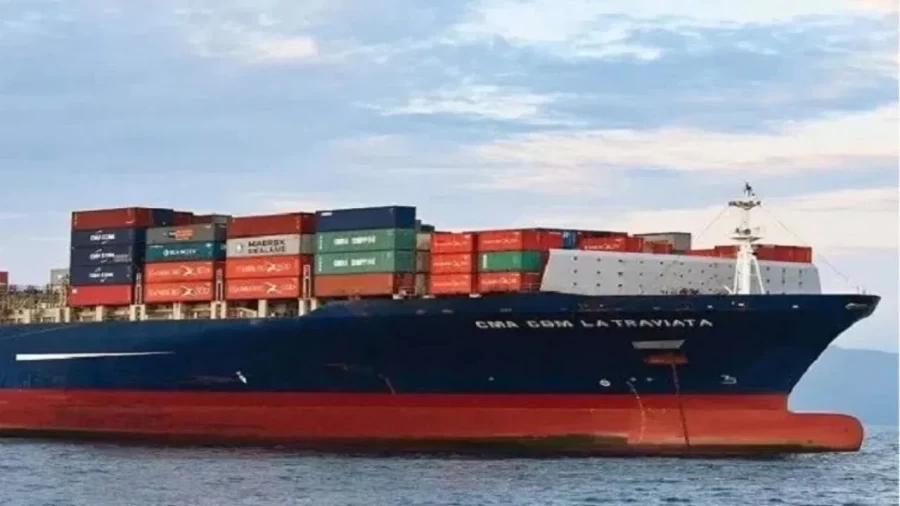
The Ministry of Ports, Shipping and Waterways has recently started work on a new scheme in collaboration with the Ministries of Petroleum and Natural Gas, Steel, and Fertilizers. The scheme seeks 200 new ships with a total deadweight of 8.6 million gross tons (GT) and a cost of around Rs 1.3 lakh crore. These ships will be jointly owned by public sector units (PSUs) and will be built in Indian shipyards over the next few years.
Why did the current scheme fail?
The Rs 1,624 crore scheme, announced in the FY22 Budget and approved by the Union Cabinet in July 2021, aimed to provide Indian ships with a subsidy of up to 15% in global tenders. The subsidy was for government imports of goods such as crude oil, LPG, coal, and fertilizers. However, despite the scheme, the share of Indian ships fell from 40.7% in 1987-88 to a mere 7.8% in 2023-24.
As a result, India is incurring foreign exchange expenditure of about $70 billion every year due to its dependence on foreign shipping lines. Indian ports handled 1540.34 million metric tonnes (MMT) of cargo in 2023-24, an increase of 7.5% over the previous year, but the share of Indian ships remained negligible.
Challenges and constraints
Indian-flagged ships are facing several challenges. These include:
High operating costs: Indian ships are mandated to employ Indian sailors, who are subject to domestic taxation and corporate laws. This increases operating costs by up to 20%.
High debt costs and short tenures: High cost of debt funds and short loan tenures increase the financial burden for Indian shipping companies.
Taxation burden: Indian ships are subject to Integrated GST, GST tax credit constraints, and discriminatory GST on services between two Indian ports, which does not apply to foreign ships.
Reduced competitiveness: According to Anil Deoli, CEO of Indian National Shipowners Association, the burden of these taxes and duties has reduced the competitiveness of Indian ships.
Way forward
The government's new scheme will not only boost Indian shipyards but also help increase the share of Indian-flagged ships. The construction of these 200 new ships will not only strengthen India's position in maritime trade but will also create thousands of jobs. Also, the scheme will give a boost to domestic industries and help reduce foreign exchange expenditure.
