
- India,
- 28-May-2026 02:26 PM IST



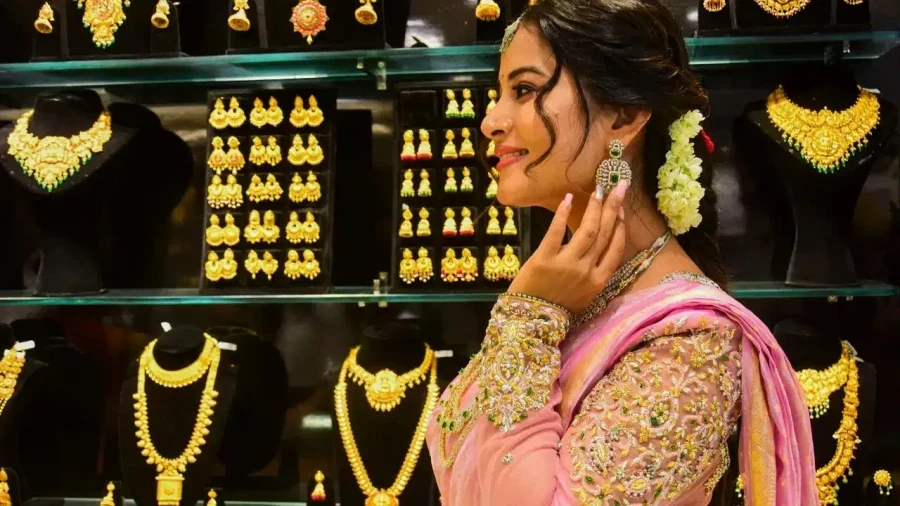
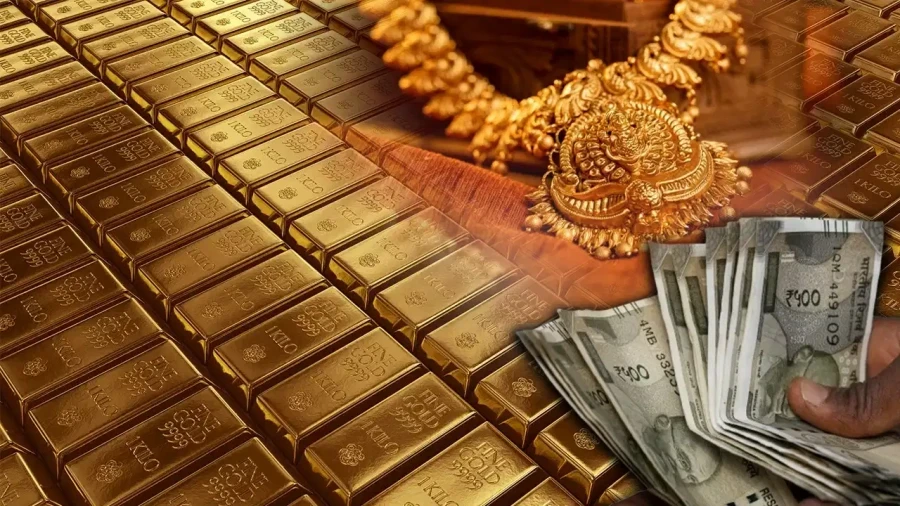
The gold kept in Indian households has long been considered a symbol of prosperity and security. However, in the current economic climate, this vast reserve of precious metal could serve a much larger purpose than just being a family heirloom. India is one of the largest consumers of gold in the world, and the cultural affinity for the yellow metal has resulted in an estimated 25000 tons of gold being held by Indian families. This gold, stored in lockers and worn as jewelry, represents a massive amount of idle wealth that, if mobilized, could transform the country's economic health. Experts believe that even a small shift in how Indians view and manage their gold could lead to significant macroeconomic benefits, especially at a time when global tensions are putting pressure on foreign exchange reserves.
The Economic Impact of Gold Imports
India currently stands as the second largest buyer of gold globally, trailing only behind China, while every year, the country imports between 600 to 800 tons of gold to meet domestic demand. This high level of importation puts a significant strain on India's trade balance and its foreign exchange reserves. To curb this, the government recently increased the import duty on gold from 6 percent to 15 percent. Prime Minister Narendra Modi has also made appeals to the citizens, suggesting a temporary halt in gold purchases for at least one year to help protect the nation's forex reserves. The logic is simple: if domestic demand is met through existing gold within the country rather than through imports, the outflow of foreign currency would decrease, thereby strengthening the rupee.
From Emotional Assets to Productive Wealth
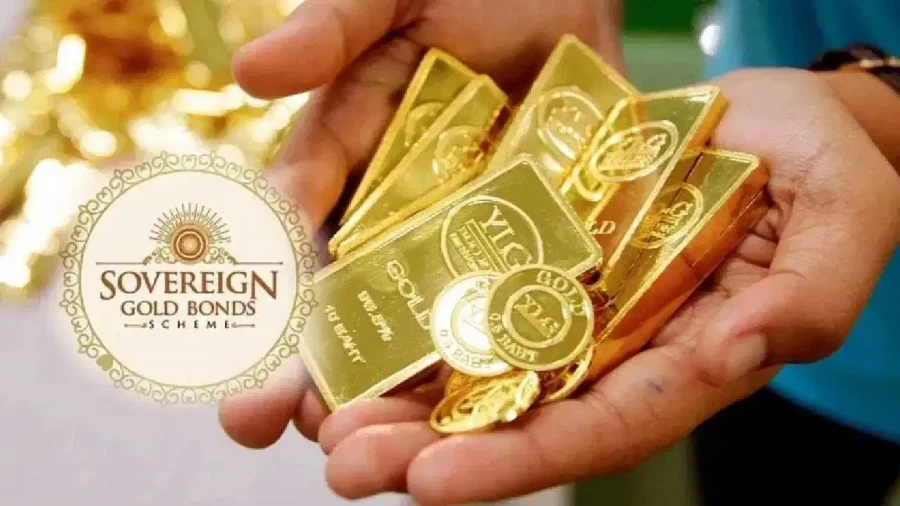
The traditional view of gold in India is deeply rooted in emotion and culture. However, financial experts are now advocating for a transition from seeing gold as a purely emotional asset to viewing it as productive wealth. Priti Rathi Gupta, the founder of Lxme, points out that a vast amount of gold remains unproductive in bank lockers. She suggests that women and families should consider whether their idle gold could be better utilized. By monetizing physical gold or shifting investments toward digital gold, Gold ETFs, or Sovereign Gold Bonds, investors can ensure their wealth is working for them while also benefiting the broader economy. The goal isn't to sever the emotional connection with gold but to manage it more strategically for long term wealth creation.
The Power of Profit Booking in Gold
Gold prices have seen a significant rally in recent years, providing substantial returns to those who have held the metal. Feroze Azeez, Joint CEO of Anand Rathi Wealth, suggests that just as investors book profits in the equity market, they should also consider doing so with gold. He estimates that if Indian households were to sell just 2 to 4 percent of their existing gold holdings, the country's dependence on gold imports would plummet. This wouldn't only reduce the import bill but also help balance the impact of Foreign Institutional Investor (FII) outflows. When foreign investors see a stable rupee and a controlled trade deficit, their confidence in the Indian economy grows, creating a positive cycle of investment and growth.
Comparing Gold with Other Investment Avenues
While gold is a reliable safety net during times of crisis, its long term returns may not always outperform other asset classes. 5 percent. 25 percent after taxes. Financial planners emphasize that investors should maintain a balanced portfolio that includes equity, SIPs, mutual funds, and retirement products rather than over concentrating in physical gold. By shifting from sentimental saving to strategic investing, Indians can ensure better financial security for themselves and contribute to the nation's economic resilience. Ultimately, gold shouldn't just be something to look at in a locker; it should be a tool for economic empowerment.