

- India,
- 29-Nov-2025 06:09 PM IST


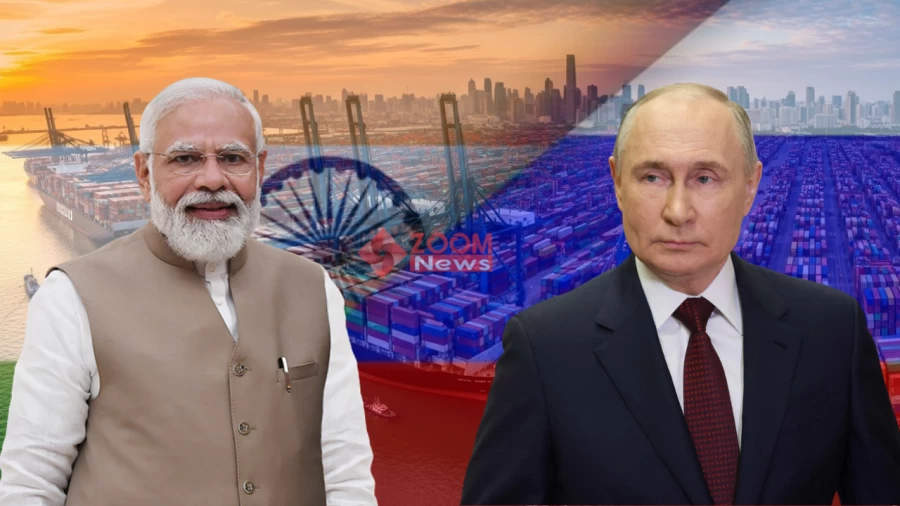
India and Russia have achieved a significant milestone in their economic relations, with bilateral trade reaching an unprecedented record level of $68. 7 billion in the financial year 2024-25. This remarkable surge underscores the deepening commercial ties and solid economic engagement between the two nations. The current trade volume represents a substantial increase, standing at approximately 5. 8 times higher than the pre-pandemic trade level of $10. 1 billion, while this exponential growth highlights a dynamic shift in global trade patterns and a concerted effort by both countries to bolster their mutual economic partnership across various sectors.
Historic Surge in Bilateral Trade
The financial year 2024-25 has been pivotal for India-Russia bilateral trade, witnessing an extraordinary leap to $68. 7 billion. This figure not only marks a new record but also demonstrates the rapid expansion of economic cooperation between India and Russia over recent years, while prior to the pandemic, the bilateral trade volume was recorded at approximately $10. 1 billion. The comparison reveals a nearly 5. 8-fold increase, signifying a strong and accelerated growth trajectory. This substantial expansion is indicative of diversified trade avenues and enhanced collaboration, reflecting a strategic alignment of economic interests and a proactive approach to exploring new market opportunities.
Within this record-breaking trade, India's exports to Russia amounted to $4, while 9 billion, while imports from Russia to India reached $63. 8 billion. These figures highlight a significant trade imbalance, with imports from Russia substantially outweighing India's exports. India primarily exports a range of manufactured goods and agricultural products to Russia, whereas Russia serves as a crucial supplier of energy resources, minerals, and essential industrial raw materials to India. This trade structure reflects the complementary nature of the two economies, addressing each other's industrial and consumer demands.
Key Export Products from India
India's export basket to Russia is diverse, with pharmaceuticals being a prominent category. The Indian pharmaceutical industry, known for its quality and cost-effectiveness, plays a vital role in supplying essential medicines to the Russian market. Organic and inorganic chemicals also constitute a significant portion of India's exports, catering to various industrial needs in Russia. Iron-steel products and marine products, including fish and shrimp, further contribute to India's export portfolio. In the agricultural sector, India exports a variety of agri-products such as rice, tobacco, tea, coffee, and grapes. Other notable export items include ceramic products, aircraft parts, machinery, glass and glassware, clothes-knitwear, leather products, rubber items, electrical machinery, and surgical tools, showcasing India's broad manufacturing and industrial capabilities.
Major Import Products from Russia
Imports from Russia to India are predominantly characterized by energy resources and. Raw materials, which are critical for India's burgeoning industrial and energy requirements. Oil and petroleum products stand out as the most significant import category, playing a crucial role in India's energy security and economic growth. Vegetable oil, fertilizers, and coking coal are also imported in substantial quantities from Russia, essential for India's agricultural sector and steel industry, respectively. Precious metals and stones are another key component of the import list. Also, mineral fuels, mineral wax, machinery, equipment, wood, pulp and paper products, and various types of metals are imported from Russia, providing vital inputs for India's manufacturing sector and infrastructure development projects.
Status of Services Trade
Over the past five years, the services trade between India and Russia has remained stable, while in this particular sector, the balance of trade has consistently been in Russia's favor, indicating that Russia exports more services to India than India exports to Russia. This steady pattern in services trade suggests specific areas of expertise and demand within each country's service economy. While merchandise trade has seen an extraordinary surge, the services sector maintains a consistent. Dynamic, potentially offering avenues for future growth and diversification in the overall bilateral economic relationship.
