

- India,
- 05-Feb-2026 09:50 AM IST


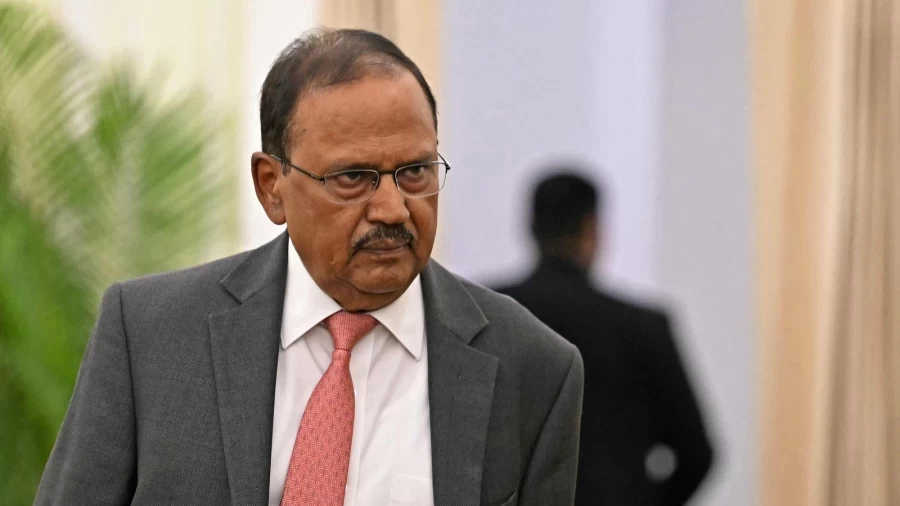
The recent breakthrough in India-US trade relations is being attributed to a series of high-stakes, backdoor negotiations led by National Security Advisor (NSA) Ajit Doval. According to a report by Bloomberg, Doval traveled to Washington in early September to meet with US Secretary of State Marco Rubio. This mission was aimed at de-escalating growing tensions and restarting stalled trade discussions. During these talks, Doval reportedly conveyed a firm message: while India is committed to a strong partnership, it won't yield to diplomatic or economic pressure.
Doval’s Diplomatic Mission to Washington
The diplomatic push followed Prime Minister Narendra Modi’s meetings with Russian President Vladimir Putin and Chinese President Xi Jinping. Recognizing the need to stabilize ties with the US, Doval’s meeting with Rubio served as a critical pivot. Bloomberg reports that Doval informed US officials that India was prepared to wait out the current administration's term if a mutually respectful agreement couldn't be reached. He emphasized that for relations to normalize, the public rhetoric against India’s economic policies and its energy procurement from Russia needed to cease.
The Transition from Rhetoric to Reconciliation
The negotiations occurred against a backdrop of significant friction. President Donald Trump had previously labeled India’s economy as struggling and imposed 50% tariffs on certain Indian goods. He had also criticized India’s oil purchases from Russia amid the Ukraine conflict. However, following the Doval-Rubio dialogue, a shift in tone became evident. On September 16, Trump initiated a congratulatory call to PM Modi on his birthday, which was followed by several subsequent telephonic conversations through the end of the year, focusing on tax reductions and trade cooperation.
Specifics of the Proposed Trade Agreement
On February 2, President Trump announced via social media that a trade deal had been reached following a call with PM Modi. The deal reportedly includes reducing US tariffs on Indian goods to 18% and removing the 25% additional tax related to Russian oil imports. In exchange, Trump claimed India would purchase $500 billion worth of US goods and eliminate tariffs on American products. While these details have been shared by the US side, the Indian government has yet to provide official confirmation or release a formal written agreement, leaving some ambiguity regarding the final terms.
Strategic Interests and Long-term Partnership
According to analysts, India views the United States as an indispensable partner for its long-term goals, including countering regional challenges and achieving developed nation status by 2047. Recent interactions between US Ambassador Sergio Gor and External Affairs Minister S, while jaishankar have further addressed issues in defense, trade, and critical minerals. Experts suggest that while the Trump administration’s approach is transactional, the underlying strategic alignment between the two democracies remains strong. India continues to maintain its strategic autonomy by diversifying trade with Russia, Europe, and the UK.
So, to wrap up, the reported backdoor negotiations led by NSA Ajit Doval appear to have successfully navigated a period of intense diplomatic volatility. The resulting trade understanding, though still awaiting formal documentation from the Indian side, marks a significant de-escalation in tariff wars. The focus now shifts to the implementation of these measures and their impact on the bilateral trade volume, which remains a cornerstone of India’s export strategy.
