

- India,
- 04-Feb-2026 02:45 PM IST


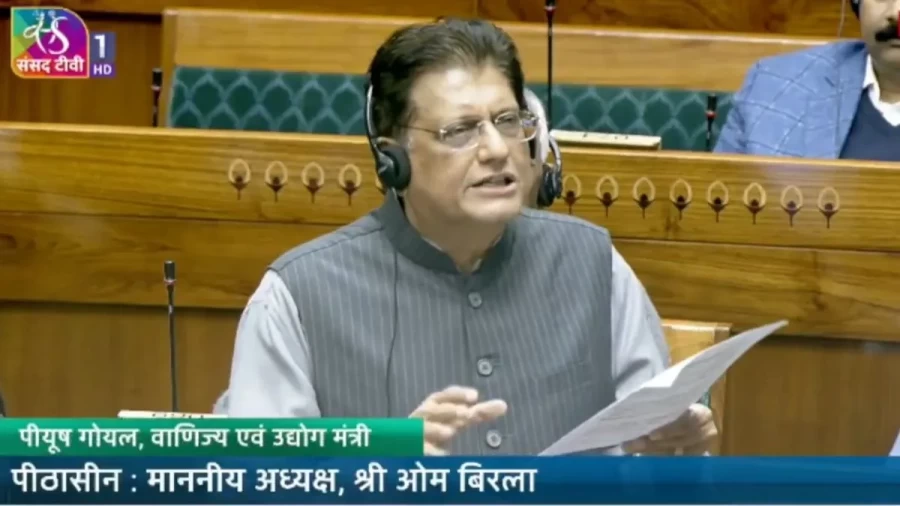
Union Minister of Commerce and Industry Piyush Goyal on Wednesday shared comprehensive details of the bilateral trade agreement between India and the United States in the Lok Sabha. After more than a year of intensive negotiations, both nations have successfully finalized the deal. The Minister informed the House that during the negotiations, the Indian side remained steadfast in protecting its sensitive sectors, particularly agriculture and dairy. This agreement is viewed as a strategic move to bolster India's position in the global trade ecosystem while maintaining domestic economic stability.
The backdrop of this trade deal includes significant diplomatic engagements between Prime Minister Narendra Modi and US President Donald Trump. On 2 February 2026, the two leaders held a telephonic conversation discussing various issues of bilateral and international importance. Following this dialogue, President Trump announced a reduction in tariffs on Indian exports to 18%. This move is aimed at facilitating smoother market access for Indian goods and addressing the long-standing issue of high tariffs that Indian exporters faced compared to other competing nations.
Safeguarding Sensitive Domestic Sectors
Minister Piyush Goyal emphasized that the protection of India's sensitive sectors was a non-negotiable aspect of the deal. He stated that the interests of the agriculture and dairy sectors, which form the backbone of India's rural economy, have been fully preserved. The government ensured that no provisions in the agreement would adversely affect Indian farmers. By maintaining protective measures for sensitive products, India has managed to balance the need for increased trade with the necessity of food security and domestic livelihood protection.
Tariff Reductions and Market Access
A pivotal element of the agreement is the adjustment of US tariffs. Historically, the US had been charging higher tariffs on several Indian products compared to other trading partners. The reduction of these tariffs to 18% is expected to provide a level playing field for Indian exporters. According to analysts, this reduction will Notably enhance India's export competitiveness in the American market. It's anticipated that this will lead to an increase in the volume of exports, particularly in sectors where India has a strong manufacturing base but was previously hindered by fiscal barriers.
Impact on Manufacturing and Labor-Intensive Industries
The trade agreement offers a substantial comparative advantage to Indian exporters in labor-intensive sectors and manufacturing. Industries such as textiles, gems and jewelry, and engineering goods are poised to benefit from the improved market access, while the Minister noted that as India continues to expand its manufacturing capabilities, easier access to the US market will likely lead to the creation of new employment opportunities. This deal isn't just about trade volumes but also about integrating Indian industries more deeply into global value chains.
Context of India's Expanding Trade Portfolio
This agreement with the US marks the ninth trade deal successfully concluded by India in the last 6 years. It's the second major trade milestone of the current year, following the announcement of a Free Trade Agreement with the European Union. In 2025, India finalized deals with Oman, New Zealand, and the United Kingdom. Previous successes include agreements with EFTA in 2024, Australia and the UAE in 2022, and Mauritius in 2021. These developments reflect India's proactive approach to diversifying its trade partners and strengthening bilateral economic ties globally.
According to analysts, the India-US trade deal is a strategic alignment that strengthens economic cooperation between the world's two largest democracies. Experts suggest that the balance achieved between tariff concessions and the protection of sensitive sectors could yield positive long-term results for the Indian economy. The full technical details of the agreement will be disclosed once the remaining procedural and legal formalities are completed by both sides. Currently, administrative teams are working to finalize the documentation required for the formal implementation of the pact.
To sum it all up, the details shared in the Lok Sabha highlight the successful outcome of India's trade diplomacy. The focus now shifts to the effective implementation of the agreement to ensure that Indian businesses can maximize the benefits of the 18% tariff regime. This deal is expected to provide a significant impetus to India's export-led growth strategy and further solidify the economic partnership between India and the United States in the coming years.
