

- India,
- 06-Dec-2025 09:49 AM IST


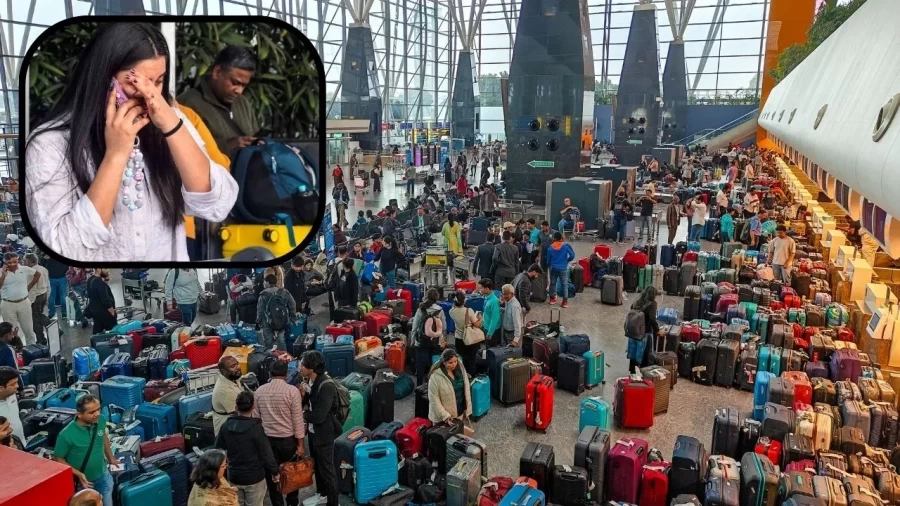
The ongoing severe operational crisis at IndiGo airline has now escalated to the highest judicial authority in the country, the Supreme Court. In an unprecedented move reflecting the gravity of the situation, the Supreme Court has initiated action on the demand for an immediate hearing, while chief Justice of India (CJI) Suryakant has personally intervened, summoning the petitioner's lawyer to his residence to facilitate the formation of a special bench and commence proceedings today itself. This swift action comes as IndiGo continues to cancel a large number of flights for the fourth consecutive day, causing immense distress and disruption to thousands of passengers across the nation, effectively throwing air travel into disarray.
Supreme Court's Immediate and Unprecedented Intervention
The IndiGo crisis has brought air travel across the country to a standstill for many, leading to unprecedented hardships for passengers. A Public Interest Litigation (PIL) was filed in the Supreme Court, describing. The situation as a "humanitarian crisis" due to the extensive flight cancellations. The petition claims severe passenger distress, asserting that these disruptions infringe upon their fundamental rights. Recognizing the urgency of the plea, CJI Suryakant has taken the significant step of inviting the petitioner's lawyer to his home to discuss the matter, while this direct intervention by the Chief Justice is a rare and notable event in judicial proceedings, underscoring the Supreme Court's serious view of the unfolding crisis. The CJI's personal involvement aims to ensure that affected citizens receive justice and relief as swiftly as possible. The lawyer's objective is to request the CJI to constitute a special bench today itself and begin hearing the case, with a view to considering immediate alternative travel arrangements and appropriate compensation for the impacted passengers.
Escalating Crisis and Widespread Passenger Impact
The operational disruptions at IndiGo airline have persisted for the fourth consecutive day, creating a chaotic environment at airports nationwide, while on Friday alone, IndiGo cancelled over a thousand flights, leaving tens of thousands of passengers stranded and disrupting countless travel plans. This wave of cancellations has led to severe inconvenience for travelers, with many missing crucial business meetings, family events, weddings, and even critical medical appointments. Children and elderly passengers, in particular, have faced immense hardship, forced to endure prolonged waits at airports with limited facilities, while many travelers have had to cancel their entire trips, incurring significant financial losses alongside considerable emotional stress. As an immediate consequence, other airlines have drastically hiked their fares, placing an additional financial burden on passengers desperately seeking alternative travel options, often forcing them to pay exorbitant prices. Also, there has been a sudden surge in demand for train travel, leading to severe overcrowding and making rail journeys equally challenging, with tickets becoming scarce. This situation isn't merely an inconvenience but is rapidly evolving into a widespread humanitarian and economic crisis, placing immense pressure on the nation's entire transportation infrastructure.
DGCA's Response and Formation of an Investigative Committee
The aviation regulatory body, the Directorate General of Civil Aviation (DGCA), attempted to assist IndiGo in normalizing its operations by providing certain relaxations on Friday, while the intent behind these relaxations was to help the airline restore its services and mitigate passenger distress. However, despite these measures, the airline's operations continued to be severely disrupted, indicating the deep-seated nature of the problem. In response to the escalating crisis, the DGCA has also constituted a four-member committee to. Conduct a comprehensive review and assessment of the reasons behind IndiGo's large number of flight cancellations. This committee's mandate is to thoroughly investigate the root causes of the disruptions, including operational deficiencies, staff shortages, and compliance with regulatory requirements. The committee members include experienced officials such as Joint Director General Sanjay K. Brahmne, Deputy Director General Amit Gupta, Senior Flight Operations Inspector Captain Kapil Manglik, and Flight Operations Inspector Captain Rampal, while this expert panel will identify the core issues and propose concrete recommendations to prevent similar occurrences in the future, thereby ensuring the reliability and safety of air travel in the country.
Key and Serious Issues Raised in the Public Interest Litigation
The Public Interest Litigation filed in the Supreme Court places significant. Emphasis on the severe distress and the "humanitarian crisis" faced by passengers. The petition asserts that the primary reason for the widespread flight cancellations is the alleged mismanagement and flawed planning of the new Flight Duty Time Limitations (FDTL) rules for pilots. These rules are designed to regulate pilot flight duty times and minimize fatigue, but the airline's failure to adequately comply with them is claimed to have led to a shortage of available pilots, directly resulting in the large number of flight cancellations. The petition further argues that these disruptions constitute a violation of passengers' fundamental rights. Under Article 21 of the Constitution, which guarantees the right to life and personal liberty. It's contended that the right to travel, especially when linked to livelihood, health, or personal freedom, is protected under Article 21, while the flight cancellations have not only caused financial losses to passengers but have also subjected them to mental stress, health risks, and deprivation of crucial opportunities. The petitioner has also demanded immediate alternative travel arrangements and appropriate compensation for all affected passengers to mitigate their losses and prevent such situations in the future.
Multi-faceted Measures for Crisis Mitigation and Relief
In an effort to alleviate the situation caused by the IndiGo crisis and provide relief to stranded passengers, multi-faceted efforts are being implemented at various levels. SpiceJet airline, recognizing the severity of the crisis, has announced the launch of 100 additional flights, while this move is expected to somewhat increase air travel capacity and offer more options to travelers, helping to restore some balance in the air travel market. The Indian Railways has also stepped in, declaring the operation of several special trains to manage the sudden surge in passenger traffic, providing much-needed relief to those who are turning to trains as an alternative to air travel. On top of that, 116 extra coaches are being attached to 37 existing trains to accommodate more passengers and reduce overcrowding. The Ministry of Civil Aviation is continuously monitoring the situation, having established a 24-hour control room. This control room is actively tracking flight operations, providing updates, and monitoring airfares to prevent any form of black marketing or unfair price hikes, ensuring that passengers receive transparent and fair services during this challenging period.
The Road Ahead: Supreme Court's Historic Decision and Its Implications
All eyes are now on the Supreme Court, awaiting its decision on this critical matter, while the ruling from the apex court couldn't only provide immediate relief to thousands of passengers affected by the IndiGo crisis but also set a significant precedent for handling similar situations in the aviation sector in the future. This case is poised to shed crucial light on the responsibilities of airlines, the rights of passengers, and the role of regulatory bodies in ensuring smooth and reliable air travel for all citizens. The Supreme Court's verdict will determine whether airlines will be held accountable for such operational failures and how passenger rights will be protected going forward. This decision could mark a pivotal moment for the country's aviation sector, influencing future policies and consumer protection measures.
