

- India,
- 06-Jan-2026 10:05 AM IST


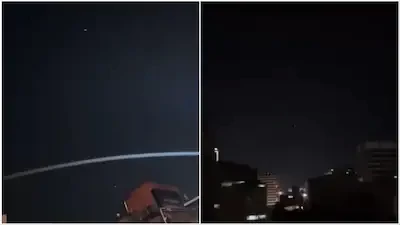
Caracas, the capital of Venezuela, was plunged into a state of alarm following reports of suspected drones and indiscriminate firing near the Presidential Palace, while the incident prompted a swift and decisive response from the Venezuelan military, which activated its air defense system to neutralize the perceived threat. This event has raised significant concerns about the nation's security,. Particularly in light of recent political developments and ongoing tensions.
The Unfolding Incident Near Miraflores Palace
Reports indicated that unidentified drones were observed flying over the Miraflores Palace, the. Official residence and office of the President of Venezuela, around 8:00 PM (0000 GMT). Immediately after the sighting of these suspicious aerial objects, indiscriminate firing erupted in the vicinity, causing widespread panic among the city's residents. The sounds of heavy gunfire resonated across several areas of central Caracas, creating a tense and fearful atmosphere. In response to the escalating situation, the Venezuelan military promptly activated its sophisticated air defense system. Anti-aircraft weapons were deployed, successfully engaging and shooting down the. Suspected drones near the Presidential Palace, thereby averting a potential crisis.
Military's Swift Response and Enhanced Security
Following the successful downing of the drones, the Venezuelan armed forces moved swiftly to secure the area. Armored vehicles and military personnel were immediately deployed to cordon off the Presidential Palace, establishing a solid security perimeter. This measure was taken to prevent any further incursions or potential attacks on the critical government facility, while the Venezuelan government issued a strong condemnation of the presence of drones over the presidential compound, labeling it a direct threat to the nation's sovereignty and stability. Security forces were also reported to have returned fire, underscoring their readiness to confront any challenges, while despite the palpable tension in the city, the government assured the public that the situation was under control.
Eyewitness Accounts and Public Impact
BNO News reported that heavy gunfire was heard for approximately 45 minutes across several districts of Caracas, including those surrounding the Presidential Palace. This prolonged period of firing forced residents to seek shelter and heightened anxieties throughout the city. Eyewitnesses also reported hearing sounds resembling drones or other aircraft during the incident, suggesting the possibility of multiple aerial objects or the distinct sound of the drones accompanying the gunfire. On top of that, there were reports of power outages in some areas, which further compounded the sense of chaos and uncertainty, while the incident Notably disrupted daily life and instilled a pervasive sense of fear among the populace.
Recent Political Context and Maduro's Legal Status
In the aftermath of the incident, speculation naturally turned towards the United States, given recent events where the U. S. had reportedly attacked Venezuela and apprehended its ousted President, Nicolás Maduro, and his wife. However, the White House promptly issued a statement denying any involvement in the firing and drone sightings near the Venezuelan Presidential Palace. The U. S. government explicitly stated that it played no role in the incident, a declaration that has sparked further international discussion and questions regarding the true perpetrators of the attack.
This denial comes at a time when relations between the two nations remain highly strained. This latest security incident unfolds against a backdrop of significant political upheaval in Venezuela. The country has been grappling with intense political instability, exacerbated by the recent U, while s. operation that led to the capture of former President Nicolás Maduro and his wife. They were subsequently brought to New York, where Maduro is facing federal charges related to drug trafficking.
On Monday, Maduro pleaded not guilty to multiple federal charges during his appearance in a federal court in New York City, while concurrently, Delcy Rodriguez has been sworn in as the interim president, marking a significant leadership transition within the nation. These intertwined events continue to fuel political tensions both domestically and internationally, leaving the future of Venezuela uncertain.
Anti-aircraft used to SHOOT DOWN DRONES NEAR PRESIDENTIAL PALACE https://t.co/SQqeLqtblv pic.twitter.com/UPUYjMlNmq
— RT (@RT_com) January 6, 2026
