

- India,
- 14-Apr-2026 04:30 PM IST


Indonesia and the United States are moving toward a landmark defense cooperation agreement that could redefine the strategic landscape of Southeast Asia. The world's most populous Muslim-majority nation is reportedly drafting a Letter of Intent that would grant US military aircraft unrestricted access to its sovereign airspace. Under the proposed terms, US fighter jets would be permitted to fly through and land within Indonesian territory without the traditional requirement for case-by-case prior authorization. This development marks a significant departure from Indonesia's long-standing policy of strict non-alignment.
Unprecedented Rift Between Ministries
The proposed defense deal has caused a major fracture within the Indonesian government. According to reports from Reuters and local outlets, the Indonesian Ministry of Foreign Affairs (MoFA) has formally registered its opposition to the Ministry of Defense (MoD). In a strongly worded communication, the MoFA described the agreement as a 'suicidal' move that could escalate regional tensions and compromise national sovereignty, while this public disagreement between two of the nation's most critical ministries is rare in Indonesian politics and highlights the sensitivity of the country's shifting geopolitical stance.
President Prabowo's Strategic Shift
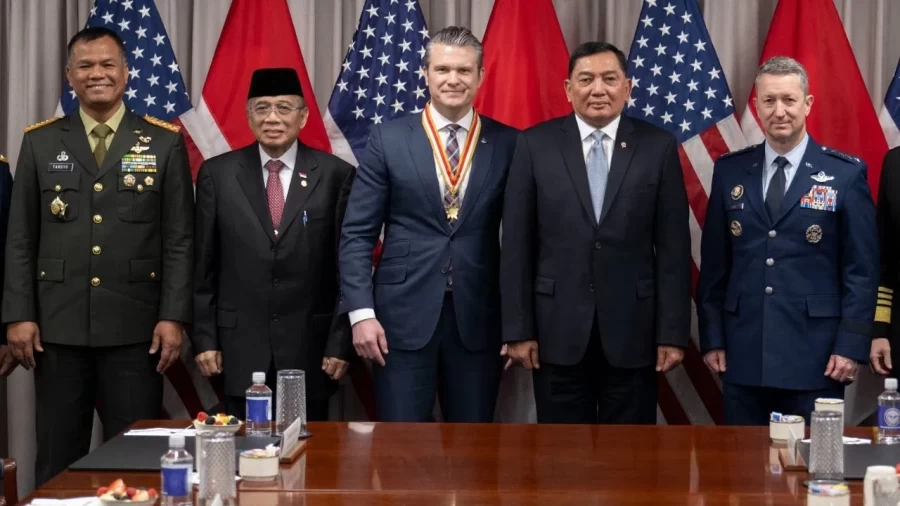
The framework for this agreement was reportedly discussed during meetings between Indonesian President Prabowo Subianto and US Defense Secretary Pete Hegseth. Since taking office, Prabowo has accelerated Indonesia's strategic alignment with Washington. This shift follows a period of domestic political unrest in August 2025, after which the administration sought closer security ties with the US. Indonesia has also actively participated in US-led initiatives, including a commitment to deploy 8,000 peacekeepers for Gaza and signing significant tariff agreements in February, despite facing domestic criticism for these moves.
Geopolitical Significance in the Indo-Pacific
Indonesia occupies a pivotal position at the crossroads of the Indian and Pacific Oceans and serves as a central hub for the ASEAN region, while for the United States, securing airspace and landing rights in Indonesia is a strategic victory, facilitating better monitoring of the South China Sea and providing a counterweight to China's growing regional dominance. While Indonesia was historically a leader of the Non-Aligned Movement, its trajectory since 2020 has shown a clear tilt toward US security interests, a trend that began when Prabowo served as the nation's Defense Minister.
Domestic Backlash and Sovereignty Concerns
The defense pact faces significant opposition from civil society and political analysts within Indonesia. Earlier this year, 65 organizations filed petitions against economic deals with the US, accusing the administration of surrendering national interests. Critics argue that granting the US military such broad access undermines the 'free and active' foreign policy doctrine that has guided the nation for decades. As the details of the defense pact remain partially classified, the internal government rift and public skepticism continue to pose challenges to the finalization of the agreement.
