

- India,
- 14-Apr-2026 07:38 PM IST


The Central Government has initiated a landmark shift in India's democratic structure by proposing a massive increase in the number of Lok Sabha seats. According to the newly drafted Constitutional Amendment Bill, the current strength of 543 seats is proposed to be expanded to 850. This historic decision aims to rebalance parliamentary representation in alignment with the country's growing population. Under the proposed framework, 815 seats have been designated for States, while 35 seats are allocated for Union Territories.
The New Seat Distribution: States and Union Territories
As per the proposed bill, the new allocation of Lok Sabha seats will be determined based on the first delimitation exercise conducted after the 2026 census. Currently, the distribution of Lok Sabha seats is based on the 1971 census data, which doesn't reflect the demographic changes of the last five decades. Officials state that increasing the number of seats will allow Members of Parliament to manage their constituencies more effectively and maintain closer contact with the electorate. The formula of 815 and 35 seats has been devised in proportion to the projected population across regions.
Understanding the Removal of Article 82(3)
The most significant technical aspect of this amendment is the proposal to remove Article 82(3) of the Indian Constitution. Under existing provisions, Article 82(3) mandates that the delimitation of Lok Sabha seats remains frozen until the figures of the first census conducted after the year 2026 are published. By removing this clause, the government seeks to eliminate the legal barriers and timelines that currently restrict the redistribution of seats. At present, while regional boundaries were last adjusted based on the 2001 census, the total number of seats has remained unchanged since the 1970s.
The History of Delimitation and the 2026 Timeline
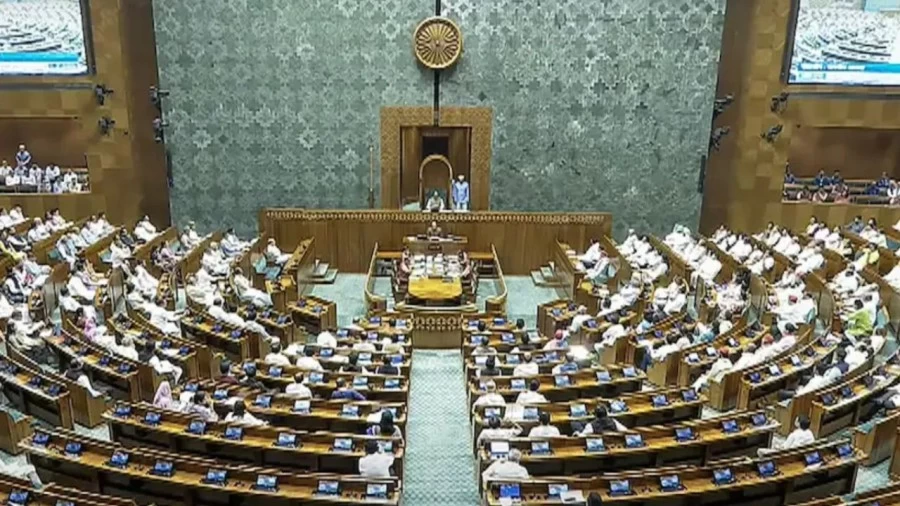
The Constitution originally mandated a redistribution of seats after every census, but this process has been repeatedly deferred. In 1976, during the Emergency, delimitation was frozen until the year 2000. Subsequently, in 2001, the freeze was extended further to 2026. With the completion of the new Parliament building (Central Vista), which is designed to accommodate a much larger number of legislators, the government is now moving toward increasing representation. This transition is expected to be the largest legislative expansion in the history of independent India.
Legislative Process and Special Parliamentary Session
The government plans to introduce this Constitutional Amendment Bill during a special session of Parliament scheduled from April 16 to April 18, 2026. Copies of the bill have already been circulated to lawmakers to facilitate discussion, while this amendment is also linked to the implementation of the Women's Reservation Act, providing the necessary legal framework for its execution. Since this is a constitutional amendment, it requires a two-thirds majority in both Houses of Parliament for passage, while the opposition has raised concerns regarding the timing and the inclusion of specific quotas, setting the stage for a significant legislative debate.
