
- India,
- 06-Aug-2026 11:52 AM IST



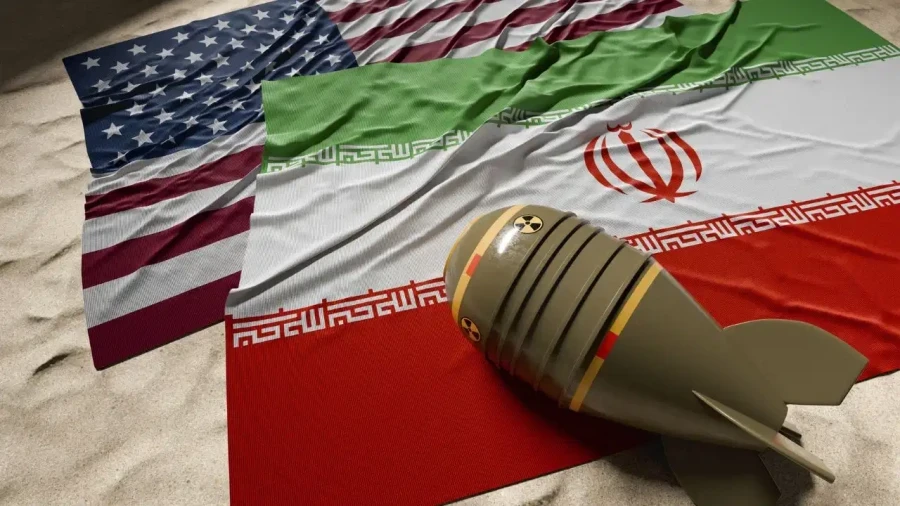
Iran has announced a significant development in maritime diplomacy, claiming that it has reached an agreement with Oman on a new maritime route for the movement of ships through the critical Strait of Hormuz, while this deal is reportedly in its final stages of completion. However, the Iranian government has been quick to clarify that this agreement doesn't automatically guarantee maritime security in the region. Tehran continues to assert that the naval blockade and military activities conducted by the United States remain the primary sources of tension in these strategic waters.
Progress in Negotiations and Geographical Coordinates
Iranian Foreign Ministry spokesperson Esmaeil Baghaei provided updates on the situation, stating that negotiations with Oman regarding the new maritime route have reached their concluding phase. According to Baghaei, both nations have successfully reached a consensus on the geographical coordinates that will define this new path. While the agreement marks a technical milestone, the spokesperson didn't disclose the full intricate details of the deal, leaving some aspects of the operational framework under wraps for the time being.
Accusations Against the United States
Despite the diplomatic progress with Oman, Iran remains highly critical of the American presence in the Persian Gulf. Baghaei emphasized that the Strait of Hormuz can't be considered fully secure even after this agreement is implemented. He alleged that the United States maintains a naval siege of Iranian ports, which disrupts the natural flow of commerce. The Iranian side argues that aggressive military maneuvers and ongoing sanctions imposed by Washington are the real factors affecting international maritime trade. As of now, there has been no official response from either the United States or Oman regarding Iran's latest claims and the proposed maritime arrangement.
Historical Context of the Hormuz Closure
The Strait of Hormuz has seen a cycle of closures and re-openings throughout the year. Following attacks on Iran by the United States and Israel in February, Tehran imposed strict restrictions on ship movements. Although the strait was briefly reopened following a ceasefire agreement between the US and Iran, military tensions flared up again in July. This led to Iran once again halting the movement of vessels through the passage. The significance of this route can't be overstated, as it serves as a conduit for approximately 20 percent of the world's total oil and Liquefied Natural Gas (LNG) trade.
Warnings from the Trump Administration
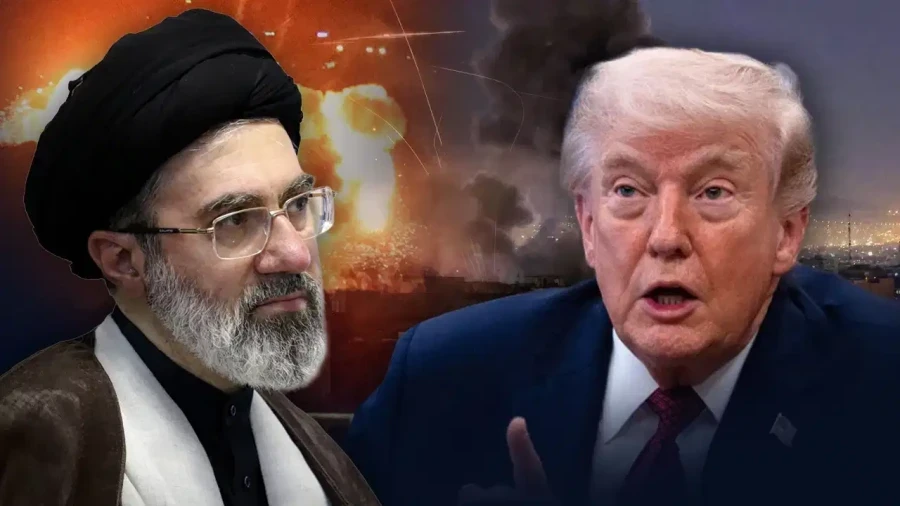
The geopolitical situation remains volatile, especially following stern warnings from the United States. On Tuesday, August 4, US President Donald Trump issued a clear warning to Tehran, stating that if the Strait of Hormuz isn't opened very soon, Iran will face serious consequences. While American officials had previously hinted at progress in talks to restore shipping traffic, Iran has consistently maintained that it isn't engaging in any form of direct negotiations with the United States.
Temporary Nature of the New Route
Adding another layer to the development, Iran's Deputy Foreign Minister Kazem Gharibabadi informed the state news agency IRNA that the new maritime route agreed upon with Oman is intended to be a temporary measure. He indicated that the arrangement might remain in effect for a period of 2 to 4 months. Like Baghaei, Gharibabadi didn't release specific technical details regarding the day-to-day operations of this temporary corridor.
The Dispute Over Transit Fees
One of the most significant hurdles in the negotiations surrounding the Strait of Hormuz involves the imposition of transit fees. Reports suggest a major disagreement between the involved parties regarding the cost of passage. Iran is reportedly seeking a fee ranging from 5 to 7 percent of the value of the cargo carried by ships passing through the strait. In contrast, Oman is advocating for a lower fee of approximately 3 percent. The United States, meanwhile, remains completely opposed to the imposition of any transit fees whatsoever. According to reports from Reuters, if the proposed arrangement is implemented, it could Notably increase Iran's level of control over vessels entering the Persian Gulf.