
- India,
- 24-Jun-2026 05:28 PM IST
- (Updated 24-Jun-2026 05:29 PM IST)



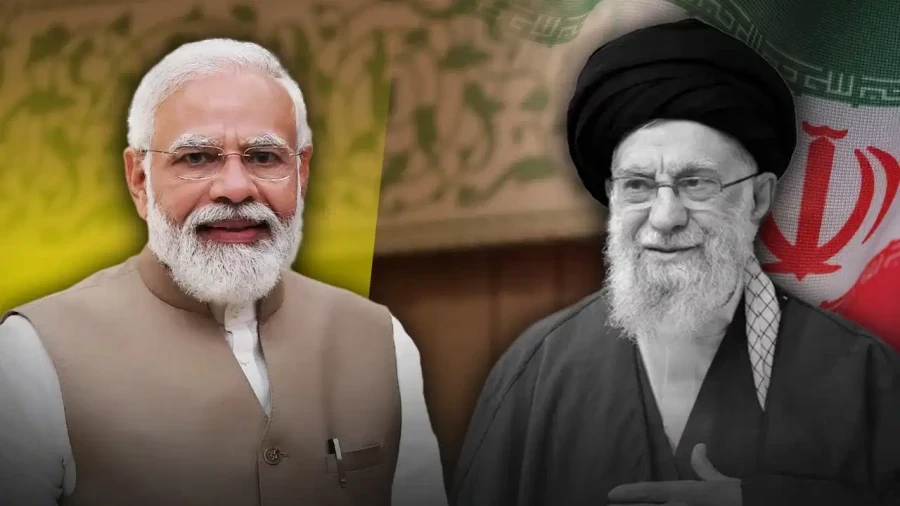
In a significant diplomatic development that has caught global attention, Iranian President Masoud Pezeshkian has extended a formal invitation to Indian Prime Minister Narendra Modi to attend the funeral ceremonies of the late Supreme Leader of Iran, Ayatollah Ali Khamenei, while diplomatic sources revealed on Wednesday that the invitation was sent as Iran prepares for a massive five-day mourning period and state funeral for the leader who stood at the helm of the Islamic Republic for over three decades. While the invitation has been received by the Indian administration, there has been no official confirmation or response from New Delhi yet regarding the Prime Minister's potential attendance at the event, which is expected to draw numerous global leaders and dignitaries.
The Five-Day Funeral Schedule and Rituals
According to official sources and Iranian state media, the funeral proceedings are set to commence on July 5. The schedule is meticulously planned across several key locations in Iran to allow the nation to pay its respects. On July 7, special mourning assemblies and religious rituals will be conducted in the holy city of Qom, located to the south of Tehran. This city holds immense religious significance and will serve as a focal point for the mid-funeral ceremonies. The final rites will culminate on July 9, when the mortal remains of Ayatollah Ali Khamenei will be laid to rest in his hometown, the holy city of Mashhad in northeastern Iran.
Under Islamic law, it's generally mandatory to bury the deceased as soon as possible, typically within 24 hours. However, exceptions are made during times of war or under extraordinary circumstances. Speculation regarding the funeral dates had been rife since the events of February, while while initial reports suggested a late June burial, state media eventually confirmed the July dates. The delay was attributed to the prolonged conflict involving Iran, the United States, and Israel, which had previously forced the postponement of the rites originally planned for March.
Circumstances of Death and Historical Context
Ayatollah Ali Khamenei, who was 86 years old, was killed on February 28 during a joint aerial strike by the United States and Israel targeting Tehran. At the time of the attack, the Supreme Leader was reportedly in a meeting at his residence with Mohammad Pakpour, the head of the Revolutionary Guard, and security advisor Ali Shamkhani, while the bombardment was described as extremely severe, resulting in the immediate death of the Supreme Leader. Reports from the New York Times indicated that the body was recovered from the rubble and photographs were sent to US President Donald Trump and Israeli Prime Minister Benjamin Netanyahu to confirm the outcome, while the reports suggested the body was severely mutilated due to the intensity of the strike.
Khamenei had held the highest office in the Islamic Republic of Iran for 36 years. He assumed leadership in 1989 following the death of Ayatollah Ruhollah Khomeini, the founder of the Islamic Republic who led the Islamic Revolution a decade earlier. While Khomeini was the ideological force that ended the Pahlavi monarchy, Khamenei was credited with shaping the nation's military and paramilitary structures during his long tenure, maintaining a firm grip on the country's strategic direction.
Potential for a World Record Gathering
Estimates suggest that approximately 20 million people could participate in the funeral processions across Tehran, Mashhad, and Qom. If these figures are realized, it would surpass the record set during the funeral of Ayatollah Ruhollah Khomeini in 1989, which saw a gathering of 10 million people. The scale of the event is expected to be unprecedented in modern history. Several international dignitaries, including Pakistan's Prime Minister Shehbaz Sharif and other high-ranking Pakistani officials, are expected to be in attendance alongside other world leaders.
Succession and Geopolitical Shifts
Following the death of Ali Khamenei, his 56-year-old son, Mojtaba Hosseini Khamenei, took over as the new Supreme Leader on March 8. However, significant mystery surrounds his current status and whereabouts. Top US officials, including Secretary of State Marco Rubio and Defense Secretary Pete Hegseth, have claimed that Mojtaba Khamenei is currently in a coma, leading to intense global speculation about the stability of the Iranian leadership and the future of the Supreme Leader's office.
Despite the months of intense conflict that destabilized West Asia and triggered a global energy crisis, there are signs of a major diplomatic shift. A peace deal has reportedly been reached between Iran and the United States. President Masoud Pezeshkian and President Donald Trump have signed separate digital memorandums of understanding to end the hostilities. Currently, high-level negotiations are ongoing in Switzerland aimed at restoring long-term peace and stability between the two nations, marking a potential turning point in international relations.