
- India,
- 08-Aug-2026 08:42 AM IST



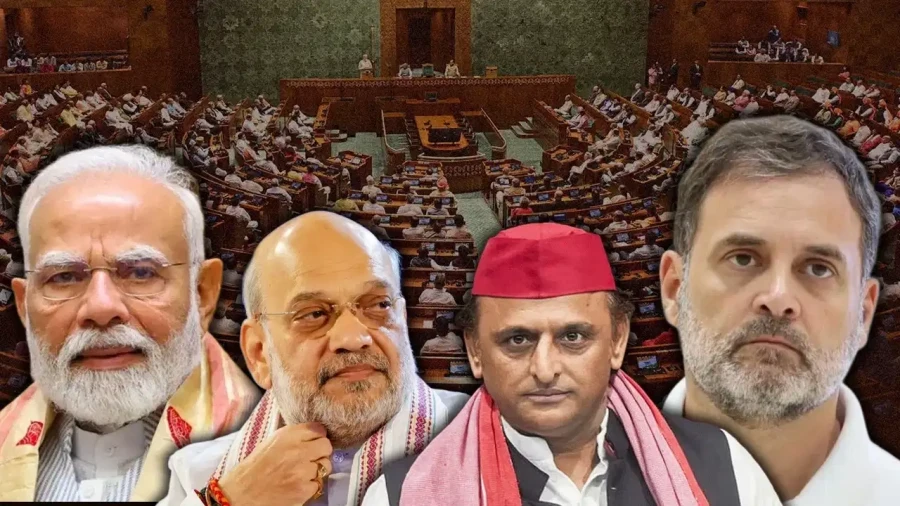
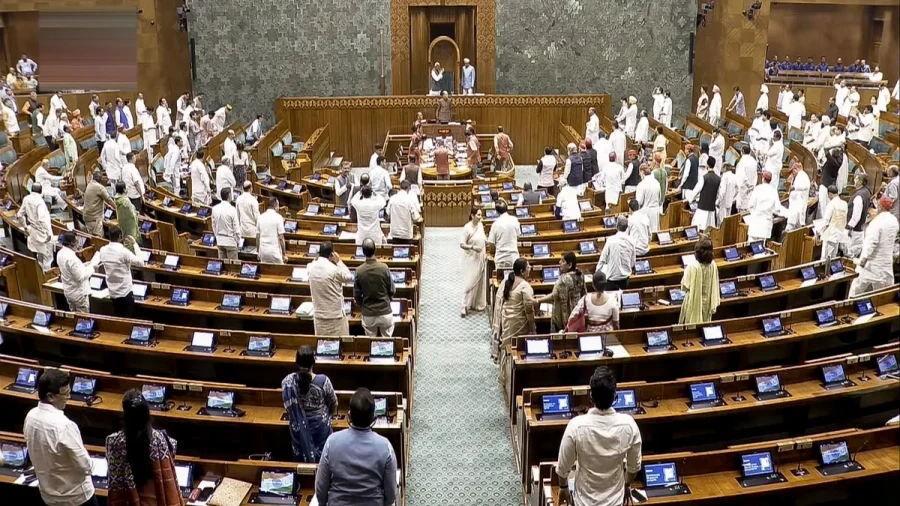
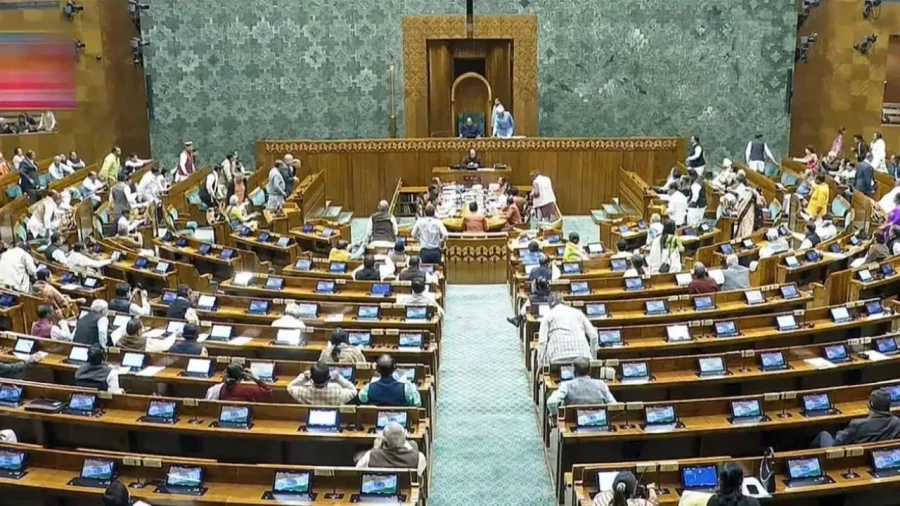
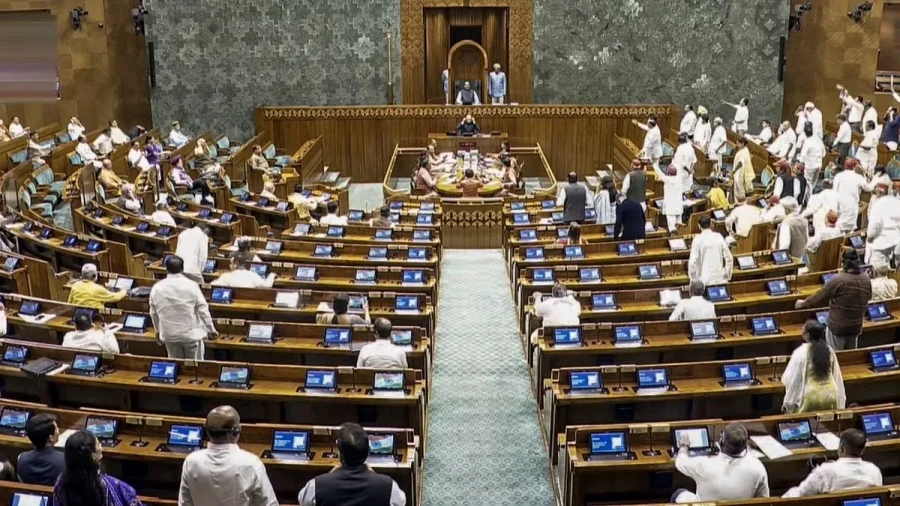
The final four days of the current Monsoon Session of Parliament have become the center of intense political activity and speculation, while both the ruling Bharatiya Janata Party (BJP) and the opposition Congress party have tightened their ranks, issuing strict instructions to their Members of Parliament to ensure their presence in the house. This heightened state of alert comes amid rumors that the government might introduce several high-profile and potentially transformative pieces of legislation before the session concludes. The atmosphere in New Delhi is thick with anticipation as the political landscape braces for what could be a series of landmark legislative moves.
Whips Issued Amid Growing Suspense
In a clear sign of the importance attached to the remaining days of the session, the Congress party has issued a three-line whip to all its MPs, making it mandatory for them to be present in the house. Similarly, the BJP has directed its own lawmakers and those of its National Democratic Alliance (NDA) allies to remain stationed in the capital and attend all parliamentary proceedings. The primary reason behind this mobilization is the suspense surrounding three major bills: the Delimitation Bill, the Women's Reservation Bill, and the Foreign Contribution (Regulation) Act (FCRA) Bill, while the opposition, led by figures like Rahul Gandhi, is wary that the government might spring a surprise by introducing these bills at the last moment, leaving little time for detailed debate.
Government Priorities and Strategic Meetings
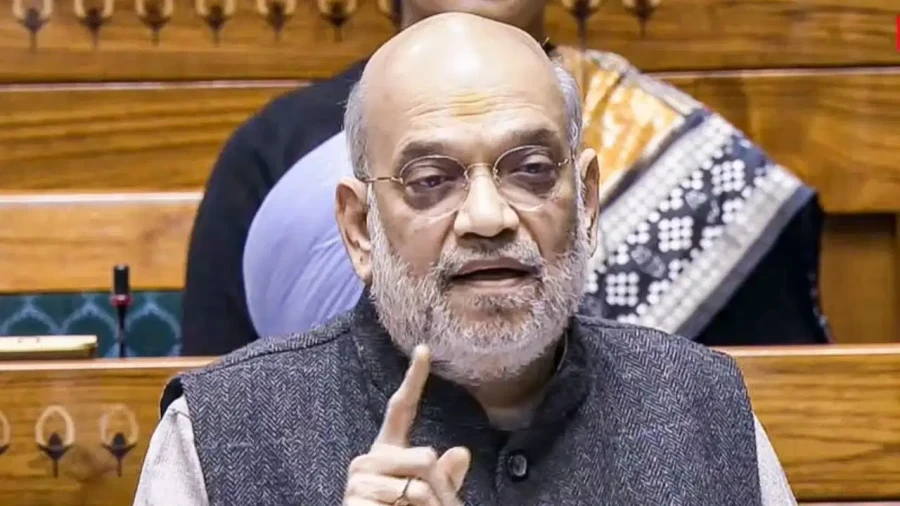
While the government has not yet made an official announcement regarding the introduction of these specific bills, Parliamentary Affairs Minister Kiren Rijiju has publicly stated that Delimitation and Women's Reservation are top priorities for the administration. He confirmed that both bills would eventually be brought to the floor, though he remained non-committal about the exact timing of their introduction or passage. Adding to the political heat, Prime Minister Narendra Modi has been holding meetings with newly elected MPs, and Home Minister Amit Shah has been seen engaging in discussions with leaders from various political parties. These high-level interactions have only served to fuel the belief that a major legislative push is imminent.
The FCRA Bill and the Strategy for Majority
Political analysts suggest that the government might prioritize the FCRA Bill before moving on to more complex constitutional amendments. Unlike the Delimitation and Women's Reservation bills, which require a two-thirds majority to pass, the FCRA Bill can be cleared with a simple majority. It's believed that the government wants to build political momentum by passing the FCRA Bill first. In line with this strategy, Amit Shah recently met with representatives from various churches and stakeholders affected by FCRA regulations. This delegation was led by DMK MP P. Wilson, who urged the government to either remove controversial provisions or refer the bill to a Joint Parliamentary Committee (JPC). The concerns raised by church groups and Christian organizations center on provisions that could allow the government to take control of assets belonging to institutions that fail to account for foreign donations, a move they fear could be misused.
Seeking Support from DMK and YSR Congress
The government is also actively seeking the support of regional powerhouses like the DMK and the YSR Congress to secure the necessary two-thirds majority for constitutional changes. Reports indicate that negotiations are underway with the DMK regarding the Delimitation Bill. The DMK has reportedly placed three specific conditions before the government: first, that the freeze on the number of seats based on the census should continue for another 25 years; second, that there should be a uniform 50 percent increase in Lok Sabha seats across all states; and third, that a complete list of revised seats must be released alongside the new delimitation. There are indications that the government may be open to some of these demands. Meanwhile, YSR Congress MPs also met with Amit Shah, while while the official reason for the meeting was the security of Jagan Mohan Reddy, discussions on delimitation are also believed to have taken place. YSR Congress MP G, while babu Rao noted that delimitation is a constitutional process and expressed confidence that the government would only bring the bill forward after securing the necessary support.
Conclusion of the Monsoon Session
As the Monsoon Session enters its final stretch, the focus remains on whether the government will take the leap and introduce these significant bills. The strategic maneuvering by both the treasury and opposition benches highlights the high stakes involved. With the requirement of a two-thirds majority for key bills, the role of parties like the DMK and YSR Congress will be pivotal. The next 4 days will determine whether this session ends with a status quo or with a historic legislative shift that could redefine India's electoral and social landscape.