

- India,
- 13-Feb-2026 01:59 PM IST


In a significant escalation of regional tensions, Iran has for the first time released an official hitlist targeting the top leadership of Israel. The list, broadcast by Iranian state media, identifies individuals whom Tehran considers primary targets for future actions. Historically, such lists have been associated with the Israeli intelligence agency Mossad, making this public declaration by Iran a notable shift in its psychological and strategic operations. The list includes the most prominent figures in Israel's political and military establishment.
This development comes amid ongoing instability in the Middle East and signals a new phase of diplomatic and military confrontation. According to Iranian state media, the list was compiled in response to actions that Tehran perceives as direct threats to its national sovereignty and security. Officials stated that the publication of these names is intended to directly challenge Israel's defense and intelligence infrastructure.
Key Israeli Officials Named in Iran's Hitlist
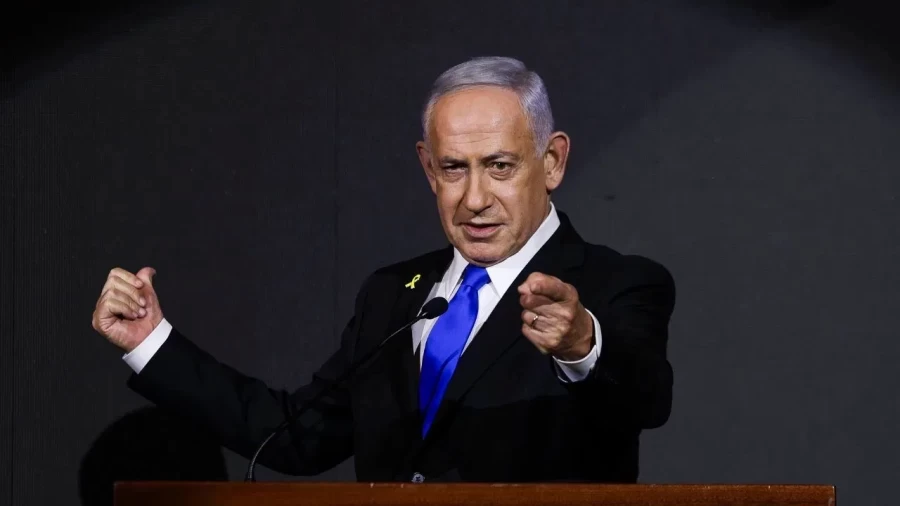
The hitlist released by Iranian state media places Israeli Prime Minister Benjamin Netanyahu at the very top. Alongside the Prime Minister, the list prominently features David Barnea, the head of Israel's intelligence agency Mossad, and the current Defense Minister, Israel Katz. The inclusion of these high-ranking political figures underscores the severity of the threat issued by Tehran.
The military leadership is also heavily represented in the document. Names such as IDF Chief Eyal Zamir and Air Force Chief Tomer Bar have been identified as targets. On top of that, Shlomi Binder, the head of Military Intelligence, and Operations Chief Itzik Cohen are included. Iranian media described these officials as critical components of Israel's military strategy. While the list is comprehensive, the reports didn't specify a timeline or the nature of the intended actions against these individuals.
Timing of the Announcement and Netanyahu's US Visit
The timing of the hitlist's release is particularly significant, occurring immediately after Prime Minister Benjamin Netanyahu's official visit to the United States. On Wednesday, February 11, Netanyahu traveled to Washington, where he met with President Donald Trump at the White House. The meeting was widely viewed as an effort to strengthen the strategic alliance between the two nations.
Following the discussions, President Trump informed the media that the talks were productive. He indicated that the United States would currently prioritize diplomatic dialogue with Iran to explore the possibility of an agreement. During a press conference, the US President stated that the administration would observe the outcomes of these initial talks before deciding on further steps. Iran's decision to publish the hitlist is seen as a reaction to this renewed diplomatic coordination between Israel and the US.
Background on Israel's Operation Rising Lion
The current friction between Iran and Israel is deeply rooted in a major military campaign launched by Israel in June 2025. Known as 'Operation Rising Lion,' the mission was designed to dismantle Iran's nuclear infrastructure. During this operation, Israel conducted several high-precision strikes on strategic locations within Iranian territory.
In the course of Operation Rising Lion, Israel successfully targeted and killed approximately a dozen Iranian nuclear scientists. The operation also resulted in the deaths of several high-ranking military officials. Israel maintained that these actions were necessary to prevent Iran from achieving nuclear weapons capability, while this campaign Notably heightened the direct military rivalry between the two states, setting the stage for the current retaliatory measures announced by Tehran.
Casualties Among Iranian Military Leadership
Israel's previous operations inflicted heavy losses on the Islamic Revolutionary Guard Corps (IRGC). Among the high-profile casualties during Operation Rising Lion was Hossein Salami, the head of the IRGC, who was considered a central figure in Iran's regional military strategy, while his death was a major blow to the organization's operational command.
Other significant figures killed in the Israeli strikes included Mohammad Bagheri, the Chief of Staff of the Iranian Armed Forces, and Amir Ali Hajizadeh, the head of the IRGC Air Force. At the time, Iran vowed to avenge these killings, describing them as acts of aggression. The newly released hitlist is being framed by Iranian officials as a fulfillment of that promise, targeting the individuals they hold responsible for the deaths of their military elite.
Official Media Reports and Regional Security Context
' Reports suggest that Iranian intelligence services have been instructed to maintain constant surveillance on the named targets. Following this announcement, security agencies across the region have been placed on high alert. While Israel has not yet issued an official response to the list, it's expected that security protocols for the mentioned officials will be Importantly enhanced.
Other nations in the Middle East are closely monitoring the situation, as the direct confrontation between Iran and Israel has implications for global energy markets and regional stability. According to official statements, Iran intends to continue strengthening its defensive capabilities and will respond decisively to any external interference. The publication of this list marks a formalization of the ongoing shadow war between the two regional powers.
