

- India,
- 09-Mar-2026 05:25 PM IST


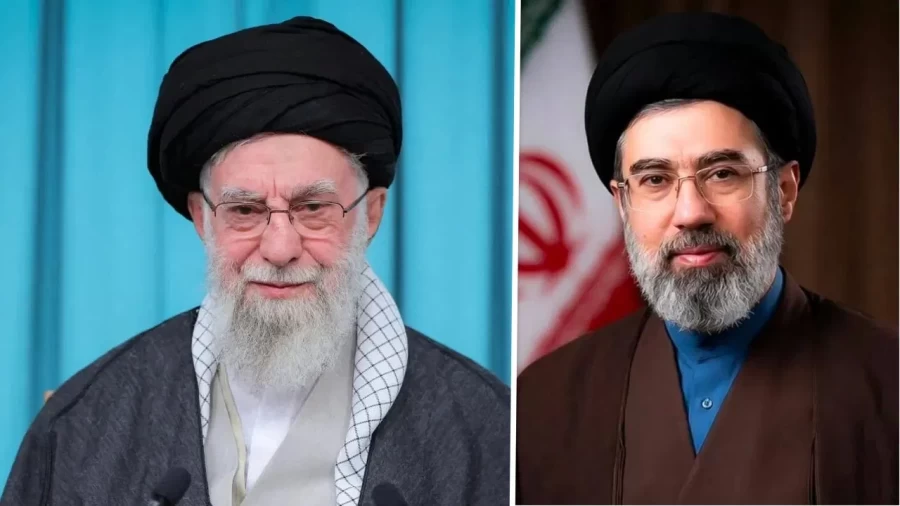
In a significant political development, Mojtaba Hossein Khamenei has been appointed as the third Supreme Leader of Iran. Following the death of Ayatollah Ali Khamenei, this transition marks the first time in the history of the Islamic Republic that the position has been transferred on a hereditary basis. According to official reports, Mojtaba Khamenei was preferred over his elder brother, Mostafa Khamenei, due to his active involvement in governance and military affairs, while the Speaker of the Iranian Parliament stated that the legacy of the Khamenei family will continue to lead the nation.
Military Background and Strategic Ties with the IRGC
Mojtaba Khamenei was born in 1969, during the period when his father was actively involved in the Islamic Revolution. While he received his early education at a seminary in Mashhad, Mojtaba joined the military at the age of 17. He served on the front lines during the Iran-Iraq war, gaining direct combat experience. According to military analysts, Mojtaba maintains exceptionally deep ties with the Islamic Revolutionary Guard Corps (IRGC). His close coordination with current IRGC chief Ahmad Vahidi is cited as a primary reason for his elevation. His practical experience in military operations and strategic management is considered a vital qualification within Iran's security framework.
Mostafa Khamenei’s Focus on Religious Scholarship
Mostafa Khamenei, the eldest son of Ali Khamenei and five years senior to Mojtaba, wasn't considered the primary candidate for the role, while reports indicate that Mostafa has identified himself predominantly as a religious scholar and Imam. Approximately 2 years ago, he was tasked with managing a seminary in the Jazan province. Mostafa has dedicated the majority of his career to theological studies and delivering religious discourses. His relative distance from political maneuvering and military strategy paved the way for his younger brother, while while Islamic traditions often favor the eldest son for succession, the current political exigencies in Iran prioritized administrative and military expertise.
Administrative Experience within the Supreme Leader’s Office
Mojtaba Khamenei has played a pivotal role in his father’s administration for several years. Until 2021, he managed various affairs unofficially, but in 2022, he was formally appointed as an official within the Office of the Supreme Leader. His primary responsibility involved coordinating between the Supreme Leader’s office and other government branches. This role allowed him to master the complexities of Iran’s power structure and establish control over the bureaucracy. According to officials, Mojtaba acted as a bridge between various centers of power, Notably strengthening his administrative grip on the state.
Role in Internal Security and Crisis Management
Mojtaba Khamenei is regarded as a hardline leader, mirroring the ideological stance of his father. Security analysts note that Mojtaba played a crucial role in managing and suppressing large-scale internal protests in 2009 and 2022. He worked closely with security forces to develop strategies to maintain the stability of the Islamic Republic against internal dissent. His firm approach to internal security has been highly valued within the establishment. He's known for his ability to identify and organize loyalists who can ensure the regime's survival during periods of domestic or international crisis.
A Historic Shift in Iran’s Power Structure
The appointment of Mojtaba Khamenei signals a new chapter in Iran’s political system. This is the first instance since the 1979 Revolution where the position of Supreme Leader has passed from father to son. Historically, the Assembly of Experts has selected the leader based on religious and political merit. Mojtaba’s selection clarifies that there will be a high degree of continuity in Iran’s core policies. It also suggests that the influence of the IRGC within the governance structure will remain dominant, ensuring that the ideological foundations of the state are preserved through this transition.
