

- India,
- 09-Mar-2026 07:45 PM IST


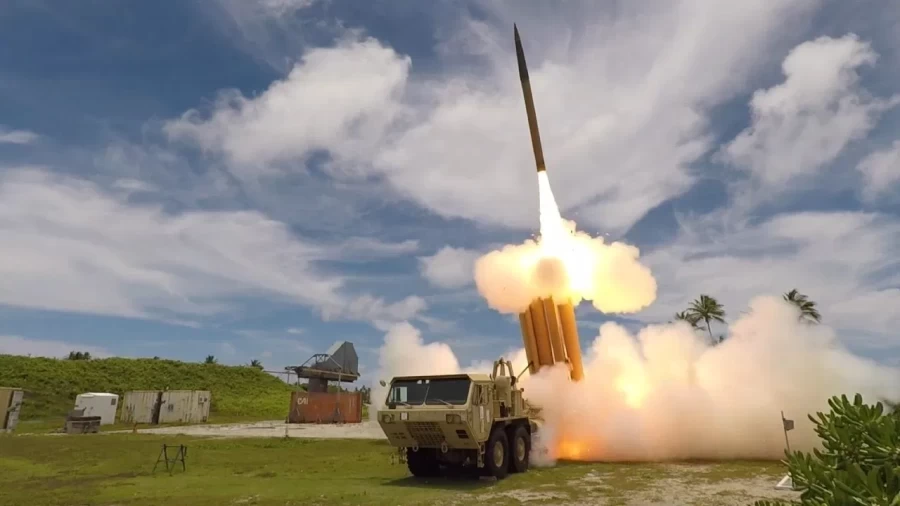
Recent military engagements in the Middle East have resulted in reported damage to the radar components of the United States' Terminal High Altitude Area Defense (THAAD) systems. According to defense analysts and satellite imagery, Iranian ballistic missile and drone strikes have successfully targeted these high-value assets, challenging the perceived invulnerability of one of the world's most advanced air defense networks. The THAAD system is designed to intercept short, medium, and intermediate-range ballistic missiles in their terminal phase. However, the recent degradation of its radar infrastructure has prompted a re-evaluation of the physical security and operational resilience of these multi-billion dollar systems.
Extensive Damage to Critical Radar Infrastructure
Analysis of satellite data indicates that the AN/TPY-2 radar system stationed in Jordan sustained significant damage during recent hostilities. On top of that, reports suggest that the AN/FPS-132 Phased Array Radar located in Qatar was also impacted. These radar units serve as the primary sensory organs for the missile defense network, providing the necessary tracking and guidance data for interceptors, while additional damage to radar infrastructure has been noted in the UAE, Bahrain, Kuwait, and Saudi Arabia. The loss of these units Importantly hampers regional surveillance capabilities, creating potential blind spots in the defensive perimeter that could be exploited in future engagements.
Emerging Threats from Asymmetric Drone Warfare
The evolution of modern warfare has seen the rise of low-cost drones and precision ballistic missiles as primary threats to sophisticated defense systems. Small loitering munitions, such as the Iranian Shahed drones, fly at low altitudes and slow speeds, making them difficult for traditional high-altitude radars to detect and track. Experts state that these drones, while inexpensive, are capable of carrying sufficient explosives to disable sensitive radar arrays, effectively neutralizing a defense system that costs hundreds of times more than the attacker. While US Central Command officials, including Commander Brad Cooper, have noted a 90% reduction in ballistic missile attacks and an 83% drop in drone strikes recently, the vulnerability of static high-tech assets remains a critical concern.
Economic Implications and Replacement Logistics
The destruction of THAAD radar components carries a heavy financial and logistical burden. According to 2025 budgetary estimates, the cost of replacing a single radar unit can reach approximately $500 million. Beyond the financial expenditure, the manufacturing and deployment timeline for these specialized systems is extensive. Currently, the US maintains five THAAD batteries in the Middle East and two in the Indo-Pacific region. The limited inventory of these systems means that any sustained damage to multiple units could lead to a prolonged period of reduced defensive readiness, as the industrial base struggles to produce replacements at the pace of modern conflict attrition.
Necessity for Multi-Layered Defensive Modernization
In light of these vulnerabilities, defense experts are advocating for a transition toward multi-layered defensive architectures. This strategy involves integrating traditional interceptors with High-Power Lasers (HPL), High-Power Microwaves (HPM), and advanced electronic warfare systems to counter low-cost threats. Companies like Spectral-X are developing technologies to enhance the survivability of military hardware through advanced camouflage and signature reduction, making it harder for thermal and radar sensors to identify targets. Military officials emphasize that adapting to these new threats is essential not only for Middle Eastern stability but also for preparing for potential high-intensity conflicts in other theaters, such as the Indo-Pacific.
