

- India,
- 09-Apr-2026 04:51 PM IST


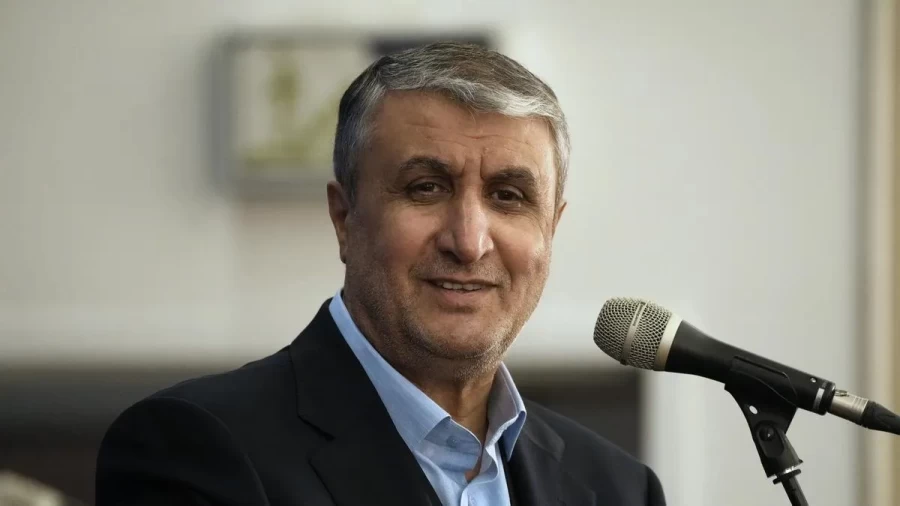
Mohammad Eslami, the head of the Atomic Energy Organization of Iran (AEOI), has issued a firm statement in Tehran, asserting that protecting Iran's uranium enrichment capabilities is a fundamental right of the nation. Speaking to reporters during an event commemorating the late Supreme Leader Ayatollah Ali Khamenei, Eslami emphasized that the preservation of this right is a mandatory prerequisite for any potential ceasefire negotiations or diplomatic engagements with the United States. He noted that this aspect of Iran's sovereignty is often overlooked in international discourse but remains central to Tehran's strategic interests.
The declaration comes at a volatile time in Middle Eastern geopolitics, as the standoff between Tehran and Washington intensifies. Eslami's comments suggest that Iran is unwilling to compromise on its core nuclear activities, which it maintains are for peaceful purposes. According to officials, the Iranian leadership views the enrichment process as a symbol of scientific progress and national autonomy, making it a non-negotiable point in any future framework of international agreements.
Tehran Asserts Sovereign Right Over Uranium Enrichment
Mohammad Eslami clarified that Iran's nuclear program operates within the framework of international regulations and that the country has no intention of halting its enrichment processes. He stated that the ability to enrich uranium is essential for Iran's energy security and medical research, while according to Eslami, any diplomatic resolution must focus on safeguarding these rights rather than dismantling them. He signaled that Tehran's participation in future talks would be contingent upon the international community's recognition of Iran's technological sovereignty and its right to maintain a peaceful nuclear cycle.
Trump Outlines Massive Military Contingency Near Iran
S. President Donald Trump has issued a stern warning, outlining a solid military posture. President Trump stated that the United States military will remain stationed in and around Iran until a 'real deal' is fully implemented and verified, while this military presence, according to the President, includes American warships, advanced fighter jets, and a significant number of military personnel. S. is prepared to neutralize any perceived threats with unprecedented force.
The Zero-Tolerance Policy on Nuclear Weaponization
President Trump reiterated his administration's commitment to ensuring that Iran never acquires a nuclear weapon. S, while objective remains the total prevention of nuclear weaponization in the region. Trump warned that any violation of agreements would trigger a military response more powerful than anything seen before. Plus, he mentioned a plan to work towards removing all nuclear 'dust' or materials buried deep underground, signaling a policy of complete denuclearization of the Iranian landscape to eliminate long-term risks.
Securing the Strait of Hormuz and Global Trade
S, while strategic focus remains the security of the Strait of Hormuz. President Trump assured that this vital waterway, which serves as a primary transit point for global oil supplies, would remain open and secure. He emphasized that the American military presence is also intended to protect international trade routes from any disruption. S. views the stability of the Strait as a matter of global economic security and is prepared to take all necessary measures to prevent any interference with the free flow of commerce in the region.
Diplomatic Deadlock Amidst Regional Ceasefire Efforts
The escalating rhetoric between Tehran and Washington occurs against the backdrop of a fragile regional environment following conflicts involving Israel and Iran-aligned groups, while mohammad Eslami's stance indicates that Iran is digging in its heels regarding its nuclear program, while the Trump administration appears ready to pair 'maximum pressure' with a credible military threat. S. demand for total nuclear oversight, while for now, the path toward a diplomatic breakthrough remains heavily obstructed by mutual distrust.
