

- India,
- 09-Apr-2026 09:27 AM IST


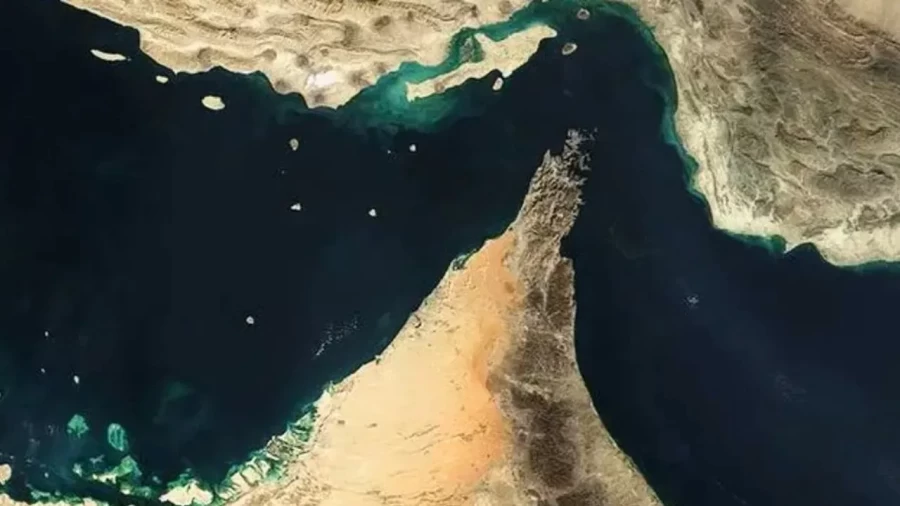
In a significant strategic move amid rising Middle Eastern tensions, Iran is reportedly preparing to levy a transit fee or toll on oil tankers navigating through the Strait of Hormuz. This narrow waterway is considered the world's most important oil chokepoint, facilitating the transit of approximately 20% of the global consumption of oil and Liquefied Natural Gas (LNG). The proposal aims to monetize the geographical advantage of the strait to bolster the national economy.
Proposed Toll Structure and Financial Projections
According to reports from ET and official sources, Iran is considering a transit charge of approximately $1 per barrel of oil passing through the strait. If implemented, this plan is projected to generate between $70 billion and $80 billion in annual revenue for the country. 4 lakh crore. This potential income is notably higher than Iran's current earnings from direct oil exports, representing a massive shift in its economic strategy to counter international sanctions and diversify revenue streams.
Comparative Analysis of Iran's Oil Export Earnings
Data indicates that Iran's traditional oil export revenues have seen a steady increase, yet they remain below the projected toll earnings. 7 billion in 2024.6 million barrels of oil per day. Projections for 2026 suggest that daily oil income could reach nearly $139 million. The addition of an $80 billion annual toll would effectively double Iran's energy-related revenue, providing a substantial cushion for its domestic economy.
Impact on Global Shipping and Maritime Congestion
The prospect of a toll and recent regional instability have already begun to affect global maritime logistics. During recent periods of heightened tension, approximately 187 oil tankers carrying 172 million barrels of oil were stranded along the route. On top of that, congestion in the Gulf region has escalated, with over 1000 vessels reported to be waiting in queue. Maritime experts suggest that clearing this backlog could take more than two weeks. The imposition of a formal toll would likely increase operational costs for shipping companies, which could be passed down to global consumers through higher fuel prices.
Geopolitical Context and Temporary Ceasefire
The timing of this proposal coincides with intense friction between Iran, the United States, and Israel. Iran had briefly closed the waterway recently citing security concerns, which led to a spike in global oil volatility. However, following an initiative by Donald Trump, a two-week temporary ceasefire was established between the US and Iran. Trump has indicated that both nations might work together to ensure the security of this vital maritime passage, while the global energy market remains watchful of whether Iran will formally institutionalize this toll, as it could redefine the economics of international oil transit.
