

- India,
- 09-Apr-2026 09:13 AM IST


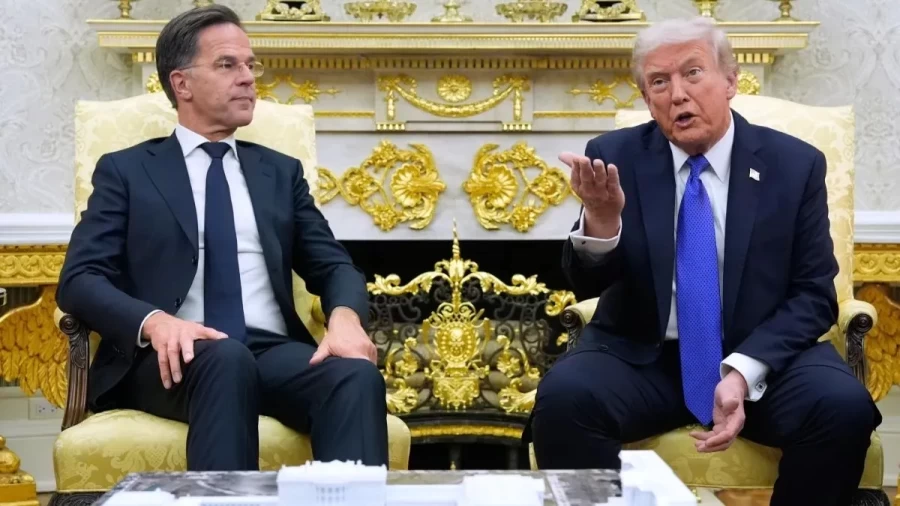
US President Donald Trump has reignited tensions within the North Atlantic Treaty Organization (NATO) by expressing severe dissatisfaction with the alliance's recent conduct. Following a high-stakes, closed-door meeting with NATO Secretary General Mark Rutte at the White House, Trump took to social media to voice his grievances. He asserted that NATO failed to assist the United States during critical moments and suggested that the alliance would likely be absent in future times of need. This development has sent ripples through international diplomatic circles, raising questions about the stability of the long-standing security pact.
The Iran Crisis and Allegations of NATO Inaction
The core of President Trump's frustration stems from the recent escalation with Iran, specifically the effective closure of the Strait of Hormuz, while according to officials, as global energy prices surged due to the blockade, Trump expected a more solid and unified response from NATO allies. In a post written in all capital letters, Trump stated that NATO wasn't there for the US when needed and predicted a similar lack of support in the future. These remarks followed the announcement of a 14-day ceasefire between the US and Iran, a deal that included provisions for reopening the strategic waterway.
The Greenland Dispute and Strategic Friction
" Greenland, a semi-autonomous territory of Denmark (a NATO member), has been a point of strategic interest for Trump since his first term. Earlier this year, he had renewed calls for US control over the territory. During discussions with Rutte, Trump reportedly expressed agitation over NATO's stance regarding Greenland. While some reports suggested a softening of his position after initial talks, his latest comments indicate that the territory remains a significant friction point in his assessment of the alliance's value.
Legislative Barriers to NATO Withdrawal
Despite the President's rhetoric regarding a potential exit from the alliance, significant legal hurdles remain. In 2023, during the Biden administration, Congress passed a law requiring a two-thirds Senate majority or an act of Congress for any president to withdraw the United States from NATO. Trump has previously maintained that he possesses the unilateral authority to exit the treaty. It remains unclear whether the current administration will seek to challenge this legislation in court. Notably, the 2023 law was supported by current Secretary of State Marco Rubio during his tenure as a Senator from Florida.
Diplomatic Engagements and Burden Sharing
Prior to the White House meeting, Secretary of State Marco Rubio held a separate session with Secretary General Mark Rutte at the State Department. " While Rubio's approach appeared more aligned with traditional diplomacy, Trump's public outbursts highlight a significant internal divide regarding how to handle allies who are perceived as not contributing their fair share to collective defense.
Historical Context and the Future of Article 5
Founded in 1949 to counter Soviet influence, NATO's cornerstone is Article 5, the mutual defense clause stating that an attack on one is an attack on all. This provision has only been invoked once in history—following the September 11 attacks to support the United States. Trump’s recent complaints center on his belief that NATO didn't reciprocate this support during the recent hostilities with Iran. As the administration continues to evaluate its foreign policy priorities, the tension between the President's "America First" agenda and the obligations of the 32-member alliance continues to intensify.
