

- India,
- 09-Apr-2026 10:38 AM IST


US President Donald Trump has officially announced a temporary two-week ceasefire between the United States and Iran, marking a brief pause in the escalating regional tensions. According to the President, both nations have agreed to halt military operations against each other for a period of 14 days. However, this announcement came with a sharp ultimatum, as Trump emphasized that the truce is conditional and contingent upon the progress of future diplomatic negotiations regarding a permanent settlement.
Terms of the Two-Week Ceasefire
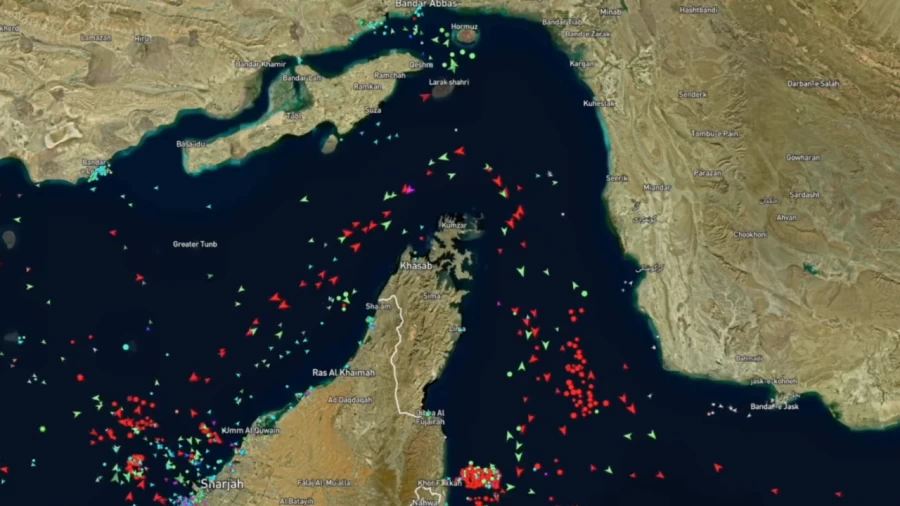
The ceasefire agreement, as outlined by officials, was intended to provide a window for diplomatic engagement. As part of the initial understanding, Iran had agreed to reopen the Strait of Hormuz, a critical global maritime chokepoint. This move was seen as a gesture of de-escalation. However, the situation quickly shifted following Israeli military strikes in Lebanon, while in response to these regional developments, Iran has reportedly decided to close the Strait of Hormuz once again, placing the fragile ceasefire under immediate strain.
Escalation at the Strait of Hormuz
The decision by Tehran to re-close the Strait of Hormuz has introduced fresh volatility into the geopolitical landscape. Iranian authorities cited the ongoing conflict in Lebanon as the primary reason for securing their maritime borders. This strategic waterway is vital for global energy supplies, and its closure is viewed by Washington as a significant provocation. According to administration officials, the move complicates the path toward a long-term resolution and raises the stakes for the upcoming diplomatic sessions.
Upcoming Diplomatic Talks in Islamabad
A pivotal round of negotiations is scheduled to commence on April 10 in Islamabad, Pakistan. These talks are designed to transition the current temporary truce into a comprehensive and permanent agreement. Representatives from both the United States and Iran are expected to attend the summit to discuss nuclear concerns, regional security, and maritime freedom, while the Islamabad talks are being viewed as the final opportunity for a diplomatic breakthrough before the expiration of the current ceasefire period.
Trump’s Ultimatum on Military Force
President Trump has taken a hardline stance regarding the outcome of the Islamabad summit. He explicitly warned the Iranian leadership that failure to reach a full agreement would result in military consequences far more severe than previous encounters. Trump stated that the United States is prepared to launch massive strikes if Iran refuses to comply with the terms of a comprehensive deal. Also, he clarified that any breach of the current ceasefire by Iran would lead to an immediate resumption of full-scale hostilities.
Impact of Regional Conflicts on the Truce
The broader conflict involving Israel and Lebanon continues to exert pressure on the US-Iran dynamic. Iran's alignment with regional actors and its reaction to Israeli military movements have created a complex environment for the ceasefire to hold. US officials maintain that while they're pursuing a diplomatic path in Islamabad, the military remains on high alert. The President's rhetoric suggests that the US won't accept a partial or stalled agreement, positioning the April 10 talks as a critical deadline for regional stability.
