
- India,
- 08-Sep-2026 01:26 PM IST



The geopolitical tension in the Middle East continues to escalate as Iran has directed a sharp verbal attack against Canada, while in a recent development, Tehran expressed its profound disappointment and frustration, accusing the Canadian government of showing a submissive attitude by bowing to threats from the United States. This diplomatic friction has intensified following Canada's decision to side with Washington against Tehran, particularly concerning the strategic Strait of Hormuz and the imposition of various sanctions on Iranian individuals and institutions.
Accusations of Pleasing a Bullying Neighbor
Esmaeil Baghaei, the spokesperson for the Iranian Foreign Ministry, took to the social media platform X to launch a scathing critique of Canada's current foreign policy. Baghaei specifically targeted Canada's Foreign and Finance ministers, alleging that their recent statements against Iran were nothing more than an attempt to please their bullying neighbor, the United States. According to the Iranian spokesperson, the Canadian leadership has chosen a path of appeasement toward Washington instead of maintaining an independent diplomatic stance.
The Trump Factor and Canadian Sovereignty
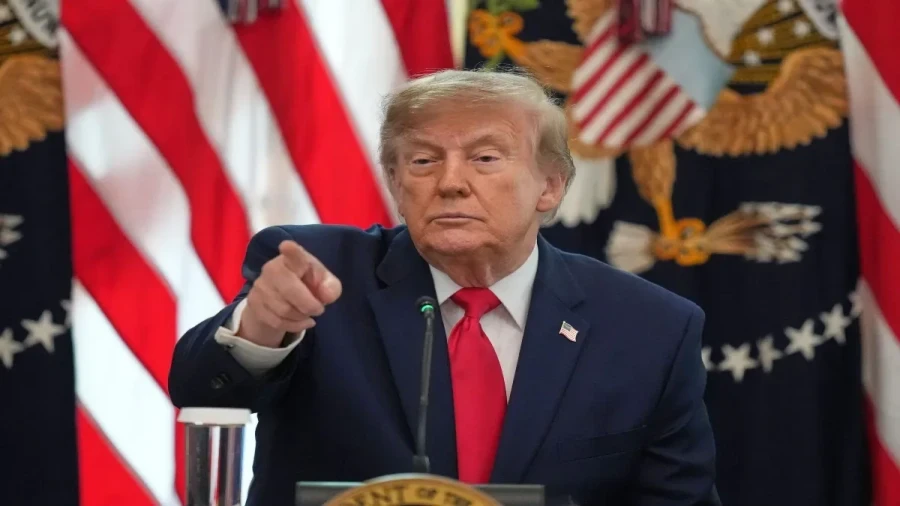
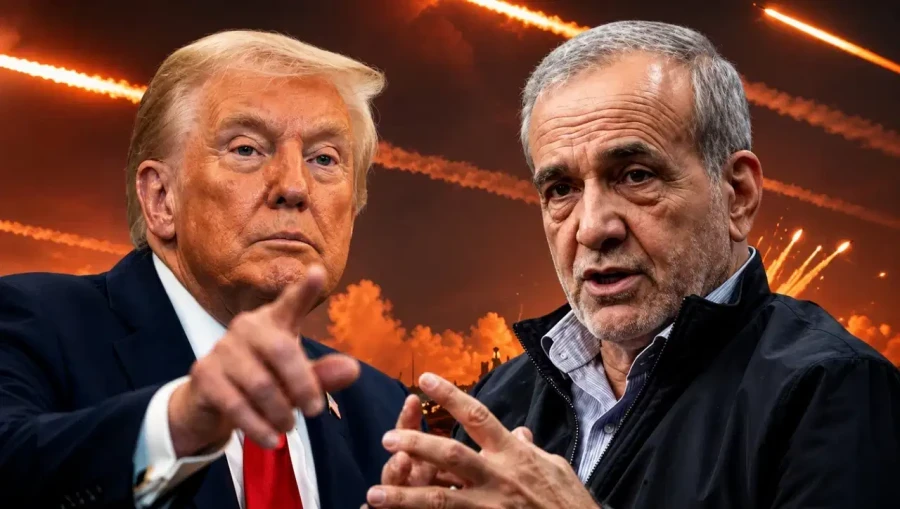
The Iranian spokesperson linked Canada's behavior to recent comments made by US President Donald Trump. Baghaei pointed out that Washington has consistently shown a lack of respect for Canada's sovereignty and independence, while he noted a specific instance where President Trump reportedly referred to Canada as a part of the United States. Baghaei argued that on the very day such remarks were made, Canadian ministers chose to find ways to further satisfy Washington rather than defending their national dignity. Iran has accused Ottawa of deliberately misrepresenting the facts regarding the situation in West Asia to align with the American narrative.
Defense of the Strait of Hormuz Closure
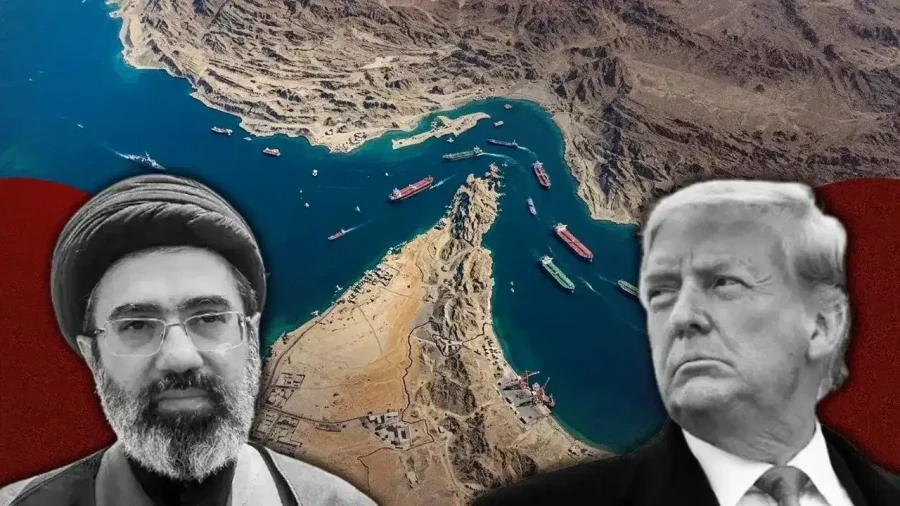
A significant portion of the tension revolves around the Strait of Hormuz, a vital maritime route for global energy trade. Iran has defended its decision to close the strait, with Baghaei claiming that the waterway was open and safe before the military actions initiated by the United States and Israel. According to the Iranian version of events, the attacks by the US and Israel on Iran began on February 28. Iran maintains that its subsequent action to block the movement of ships through the strait was a retaliatory measure necessitated by these attacks. This closure has Importantly disrupted international energy commerce, leading to widespread global concern.
Sanctions and Strategic Confusion
In response to Iran's actions in the strait, Canada has joined several allied nations in condemning Tehran, while to date, Canada has imposed sanctions on more than 200 Iranian individuals and entities. Baghaei questioned the logic behind Canada's support for US military actions and policies, which Tehran describes as interventionist. He argued that Ottawa can't claim to be a supporter of peace, security, freedom of navigation, or international law while simultaneously backing Washington's aggressive maneuvers. The Iranian spokesperson suggested that if freedom of navigation were truly the issue, Canada should demand an end to US military actions, blockades, and economic pressure instead of supporting them.
A Warning Against Strategic Submission
Concluding his critique, Baghaei described Canada's current approach as a state of strategic confusion and a failure of responsible governance. He warned that by blindly supporting Washington's actions, Canada wouldn't be able to protect itself from what he termed as American bullying and aggression. Iran views Canada's alignment with the US as a departure from genuine diplomacy, asserting that such a stance only serves to heighten regional instability rather than resolving the underlying conflicts.