

- India,
- 04-Apr-2026 06:12 PM IST


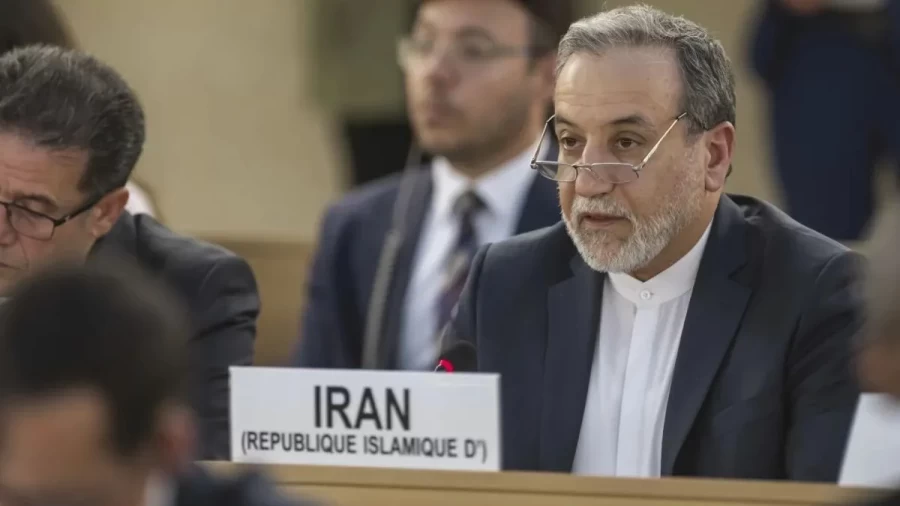
Tensions between Iran and the Israel-US alliance have escalated Notably following a fourth major strike on the Bushehr nuclear facility in Tehran. In a direct response to the military action on Saturday, Iran issued its first explicit nuclear-related warning to regional neighbors. Foreign Minister Abbas Araghchi, via a statement on X (formerly Twitter), emphasized that the consequences of these attacks extend far beyond Iranian borders. According to officials, the repeated bombardment of the nuclear site poses a catastrophic environmental and biological risk to the entire region.
Warning of Radioactive Fallout to GCC Capitals
Foreign Minister Abbas Araghchi directed a specific warning to the member states of the Gulf Cooperation Council (GCC). He stated that the four consecutive bombings of the Bushehr nuclear plant by Israel and the US could trigger a massive radioactive fallout. Araghchi asserted that such radiation wouldn't primarily affect Tehran but would instead devastate the capitals of Saudi Arabia, the UAE, Kuwait, Bahrain, Qatar, and Oman. The Iranian leadership maintains that the geographical proximity and prevailing wind patterns would lead to the total cessation of life in these regions if a nuclear leak occurs, framing the strikes as a collective threat to the Middle East.
Claims of Intercepting US Military Assets
The escalation follows a series of intense military engagements over the last 24 hours. According to Iranian defense sources, their forces successfully downed two US fighter jets, one A-10 Thunderbolt II aircraft, several helicopters, and two MQ-9 Reaper drones. Also, Tehran claims to have intercepted and destroyed multiple US cruise missiles. Iranian officials suggested that the fourth strike on the Bushehr nuclear center was a retaliatory move by Israel and the US following these significant military losses. The intensity of these aerial engagements marks one of the most severe escalations in the ongoing regional conflict.
Criticism of Western Stance on Nuclear Safety
In his public communication, Araghchi highlighted what he termed the hypocrisy of Western nations regarding nuclear safety. He referenced the international outcry following hostile activities near Ukraine's Zaporizhzhia nuclear power plant, questioning why similar concerns aren't being raised for the Bushehr facility, while the Foreign Minister argued that the silence of Western powers in the face of repeated strikes on a functional nuclear site reveals a double standard. Plus, he noted that attacks on Iran's petrochemical plants further clarify the strategic intent of the opposition to destabilize the regional economy and environment.
Call for a Permanent and Conditional Resolution
Despite the aggressive rhetoric and military actions, Iran has expressed a desire for a definitive end to the hostilities. Abbas Araghchi stated that the war has been imposed upon Iran and that the nation seeks a conditional and permanent solution to the crisis. He dismissed the idea of temporary measures or short-term truces, stating they lack meaningful impact in the long run. Tehran's position remains that any resolution must address the core issues of the conflict to ensure lasting stability, rather than merely pausing the violence for a brief period.
