

- India,
- 03-Mar-2026 01:42 PM IST


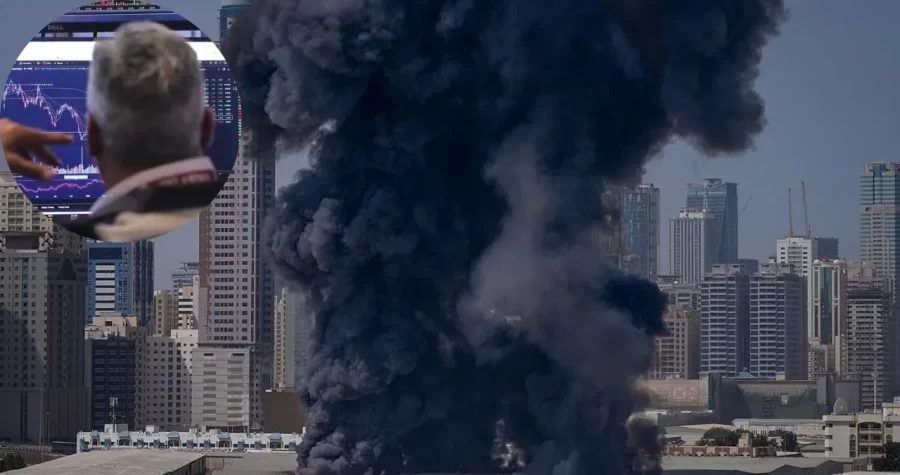
The ongoing military conflict between Iran, the United States, and Israel, which escalated on February 28, has begun to severely impact global commercial activities across the Middle East. According to reports from Reuters, the conflict has moved beyond military and energy infrastructure to affect global brand markets. As Iran targets US military installations and strategic points in the Gulf, major international corporations have been forced to suspend operations in the United Arab Emirates (UAE), Bahrain, and Qatar due to safety concerns and logistical disruptions.
Background of the Military Escalation
The conflict intensified following operations initiated by the US and Israel, leading to retaliatory missile strikes from Iran. While the primary targets remain military bases and oil-gas facilities, the collateral impact on the business environment has been immediate. News agencies report that within the first 24 hours of the escalation, the global brand market in the Middle East saw a significant shutdown of stores and services. The atmosphere of uncertainty has led to a sharp decline in consumer footfall across major shopping hubs in the region.
Disruption of Amazon Services and Infrastructure
E-commerce giant Amazon has faced significant operational challenges following reports of strikes affecting its data centers in the UAE and Bahrain, while these disruptions have severely hampered the company's digital and logistical framework. Consequently, Amazon has shut down its primary warehouse in Abu Dhabi, leading to a total suspension of delivery services in the area. In neighboring Saudi Arabia and Jordan, the company has advised its employees to remain indoors as a precautionary measure while monitoring the evolving security situation.
Impact on Luxury Retail and Chalhoub Group
The luxury retail sector, a cornerstone of the Middle Eastern economy, is facing a major downturn. The Chalhoub Group, which manages approximately 900 stores for brands such as Versace, Jimmy Choo, and Sephora, has confirmed the closure of its outlets in Bahrain. While some stores remain operational in the UAE, Saudi Arabia, and Jordan, staffing levels have been drastically reduced. Company officials stated that the ongoing attacks have created a sense of panic, resulting in deserted malls and shopping complexes in Kuwait, Oman, and Qatar.
Tech and Fashion Brand Closures
Major global players in the tech and fashion industries have also adjusted their operations. Apple's official website indicates that its stores in Dubai will remain closed until Thursday morning. Similarly, Swedish fast-fashion retailer H&M has announced the closure of its stores in Bahrain and Israel. Consumer goods conglomerate Reckitt has implemented a mandatory work-from-home policy for all employees in the Middle East and has temporarily suspended its manufacturing operations in Bahrain, citing the need to ensure personnel safety amid the aerial strikes.
Market Reaction and Regional Stability Efforts
The conflict has triggered volatility in the global financial markets, particularly for luxury goods conglomerates. 7% on Monday. In an effort to restore public confidence, UAE President Sheikh Mohammed bin Zayed Al Nahyan made a high-profile visit to the Dubai Mall. By appearing in public and dining at the venue, the President aimed to signal that the situation remains under administrative control, despite the ongoing regional military tensions.
