
- India,
- 04-May-2026 11:32 AM IST



Following a US Navy blockade outside the Strait of Hormuz and a significant deterioration in relations with the UAE post-war, Iran has strategically pivoted its trade routes toward Pakistan. Previously, Iran heavily relied on UAE ports, particularly Jebel Ali, for its global trade. However, the current geopolitical constraints have prompted Tehran to activate a long-standing agreement with Islamabad, while according to a report by the Tasnim News Agency, Pakistan has officially authorized the transit of goods to Iran through its territory and ports, establishing Karachi, Port Qasim, and Gwadar as vital logistics gateways for Iranian commerce.
Activation of the 2008 Bilateral Agreement
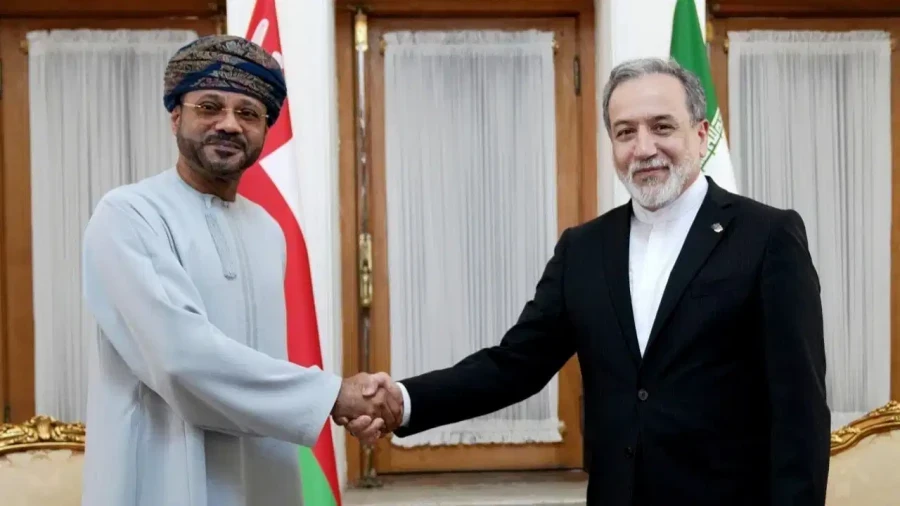
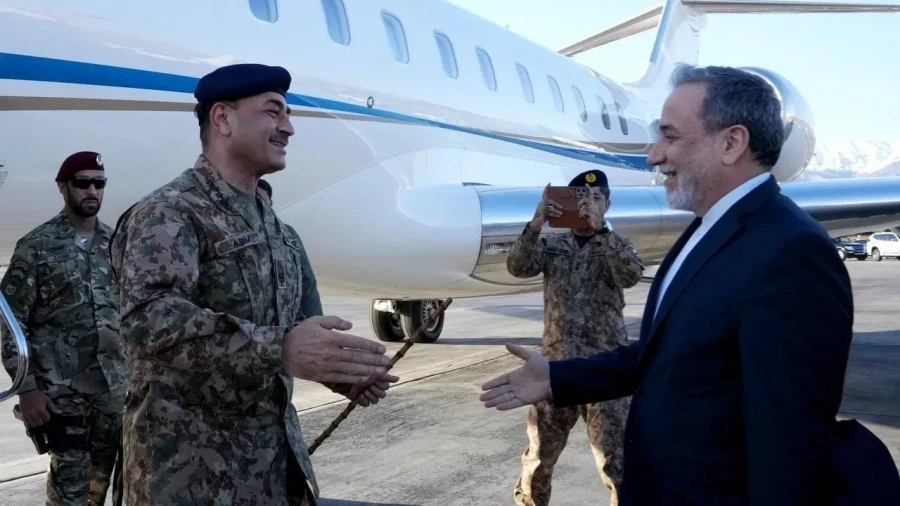
The Ministry of Commerce in Islamabad issued the 'Transit of Goods through Pakistan Territory Order 2026' on April 25, which was implemented immediately. This order activates a 2008 bilateral road transport agreement with Tehran that had remained dormant until now. Under this directive, six land routes have been opened, connecting Pakistan's three primary ports to two Iranian border posts, Gabd and Taftan, via Balochistan. This announcement coincided with the visit of Iranian Foreign Minister Abbas Araghchi to Islamabad for high-level discussions with Prime Minister Shehbaz Sharif.
Significant Reductions in Cost and Transit Time
According to Pakistani officials, the Gwadar-Gabd corridor is the shortest among the designated routes, reducing the travel time to the Iranian border to just two to three hours. Also, transporting goods through this route is estimated to reduce logistics costs by 45 to 55 percent compared to traditional routes via Karachi. As Iranian cargo begins to flow through these channels, Pakistan is positioned to gain substantial economic benefits, transforming its ports into a major regional trade movement hub.
Port Capacity and Strategic Proximity
Karachi and Port Qasim currently handle approximately 42 million tons of cargo annually and possess significant capacity for additional volume. Industry data indicates that since the onset of the conflict, Karachi alone has managed nearly 75 percent of the cargo diverted toward Pakistan. The Gwadar port, operated by the 'China Overseas Port Holding Company' as a central hub of the 'China-Pakistan Economic Corridor' (CPEC), is located approximately 170 kilometers east of Iran's Chabahar port, making it the geographically closest Pakistani port to Iranian territory.
Geographically, Gwadar remains the most strategic point among the three ports due to its proximity to the Iranian border. This shift in trade dynamics allows Iran to bypass the Washington-led maritime blockade while enabling Pakistan to use its port infrastructure for increased regional influence and economic revenue.