

- India,
- 25-Apr-2026 09:42 PM IST


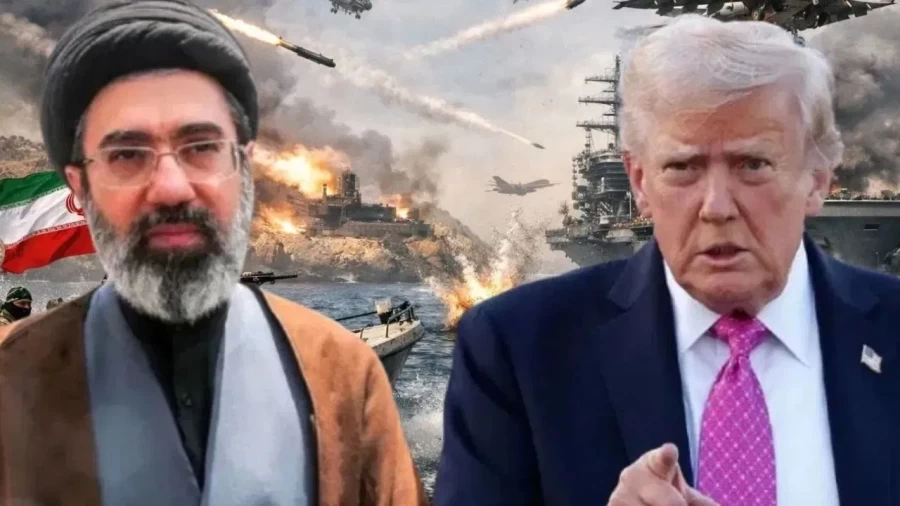
Suspense continues to build over the second round of talks and potential conflict between Iran and the United States. While diplomatic efforts are underway in Islamabad, the situation remains ambiguous. Iranian Foreign Minister Abbas Araghchi has departed Islamabad for Oman with his delegation without engaging in direct talks with the US representatives. Araghchi has reportedly placed 10 conditions before the US for any dialogue to proceed. Meanwhile, discussions regarding the arrival of US representatives Steve Witkoff and Jared Kushner in Islamabad are ongoing, though Iran maintains its stance against direct negotiations.
Diplomatic Agenda and Mediation Efforts
Questions have arisen regarding Araghchi's visit to Islamabad if no direct talks were intended, while before arriving in Pakistan, Araghchi stated that his tour included Islamabad, Muscat, and Moscow to coordinate on bilateral matters. Iran has clarified that direct talks are impossible under threats and pressure. Conversely, the White House announced that US representatives are heading to Islamabad for potential talks, with Vice President JD Vance possibly joining if progress is made. President Donald Trump recently claimed that Iran desires to talk, adding another layer to the diplomatic puzzle.
The Four-Stage Peace Process and Iran's Conditions
A four-stage plan is being attempted to reach a consensus. Araghchi met with Pakistan's Field Marshal Asim Munir to present Iran's stance, specifically raising objections to conditions regarding the Hormuz blockade and uranium enrichment. Following this, the US delegation, including Witkoff and Kushner, is expected to meet Munir to review Iran's proposals. If an initial agreement is reached, a peace draft will be prepared focusing on agreed-upon issues, while a successful draft could pave the way for direct talks and a visit by JD Vance to Pakistan.
Internal Power Struggle Within Iran
The Iranian delegation also met with Pakistan's Prime Minister Shehbaz Sharif in the presence of Field Marshal Asim Munir, yet Iran's rigid stance persisted. According to the Wall Street Journal, two power centers have emerged in Iran. A moderate faction led by President Pezeshkian and Araghchi favors avoiding war through dialogue, while the IRGC faction, influenced by Commander Ahmad Vahidi, seeks to use military might to enforce conditions. The absence of a Supreme Leader like Ayatollah Khamenei to provide a final mandate has left negotiators as mere messengers, with the IRGC labeling diplomats who showed flexibility in Oman as 'traitors'.
Trump's Legal Constraints and Military Escalation
President Trump is facing a ticking clock as US law prevents a president from sustaining a long-term war without Congressional approval, while trump initiated military action against Iran on February 28 and notified Congress on March 2. The 60-day window for military deployment expires on May 1, after which Congressional approval is mandatory. Trump reportedly seeks a final resolution—either through talks or military destruction—before this deadline, while israeli PM Netanyahu confirmed he's in contact with Trump to maintain military and economic pressure on Iran.
