

- India,
- 21-Apr-2026 06:55 PM IST


The United States and Iran have provided indications of their intent to participate in a forthcoming round of ceasefire negotiations scheduled to be held in Islamabad, Pakistan. This development has led to renewed optimism regarding the potential reduction of geopolitical tensions currently gripping the Middle East. Two regional officials shared these details with the news agency AP, highlighting a significant shift in the diplomatic landscape.
High-Level Representation and Arrival Schedule
According to information provided by officials to AP on Tuesday, mediators led by Pakistan have received confirmation that top-tier negotiators from both nations will be present for the talks. The delegation from the United States is expected to be led by Vice President JD Vance, while Iran is slated to be represented by its Parliament Speaker, Mohammad Bagher Qalibaf, while both leaders are anticipated to arrive in Islamabad early Wednesday morning. The officials who provided this information requested anonymity, citing a lack of authorization to speak publicly to the media regarding these sensitive diplomatic proceedings.
Ceasefire Deadline and the Urgency of Dialogue
The timing of these proposed talks is critical, as the existing 14-day ceasefire between the involved parties is set to expire on Wednesday, April 22. The impending conclusion of this ceasefire has intensified the need for a successful round of negotiations to prevent further escalation. This development follows a recent period of uncertainty where Iran had initially refused to participate in the second round of peace talks in Islamabad. That refusal had sparked widespread concerns about a surge in Middle Eastern tensions and the possibility of the United States resuming military strikes against Iranian interests.
Trump’s Perspective on Future Agreements and JCPOA
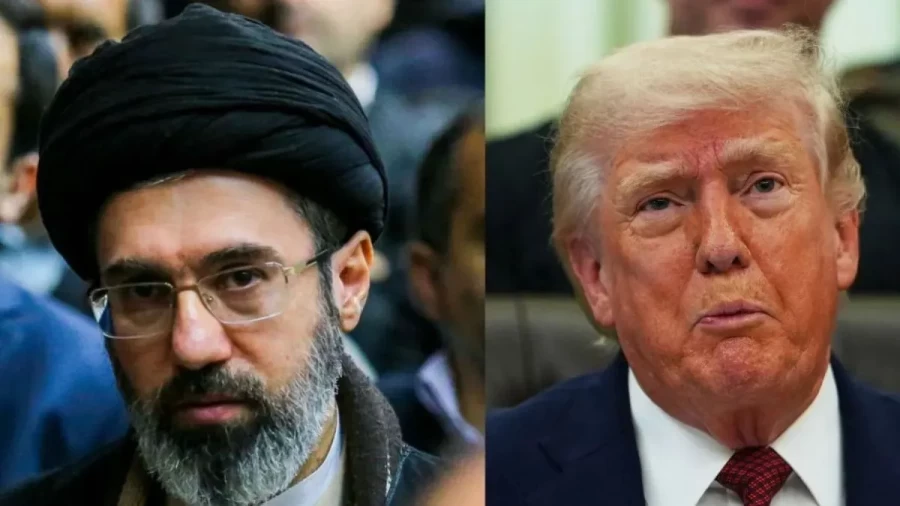
In the context of these diplomatic efforts, Donald Trump recently commented on the status of potential agreements with Iran. " Trump further suggested that any future agreement reached with Iran would be vastly superior to the original Joint Comprehensive Plan of Action (JCPOA), while he emphasized that a new, more comprehensive agreement would function as a vital security shield for the international community, ensuring greater global stability.
Official Denials and Conflicting Reports from Tehran
Despite the reports of participation, official confirmation remains elusive as neither Washington nor Tehran has publicly verified the event, while iranian state television has actively countered these reports, denying that any high-ranking official has arrived in the Pakistani capital. The Islamic Republic of Iran Broadcasting (IRIB), the state-run media outlet of Iran, issued a statement clarifying that no Iranian diplomatic delegation has traveled to Islamabad. IRIB has formally dismissed all reports concerning such diplomatic movements, highlighting a significant discrepancy between regional reports and official state narratives.
