

- India,
- 21-Apr-2026 05:24 PM IST


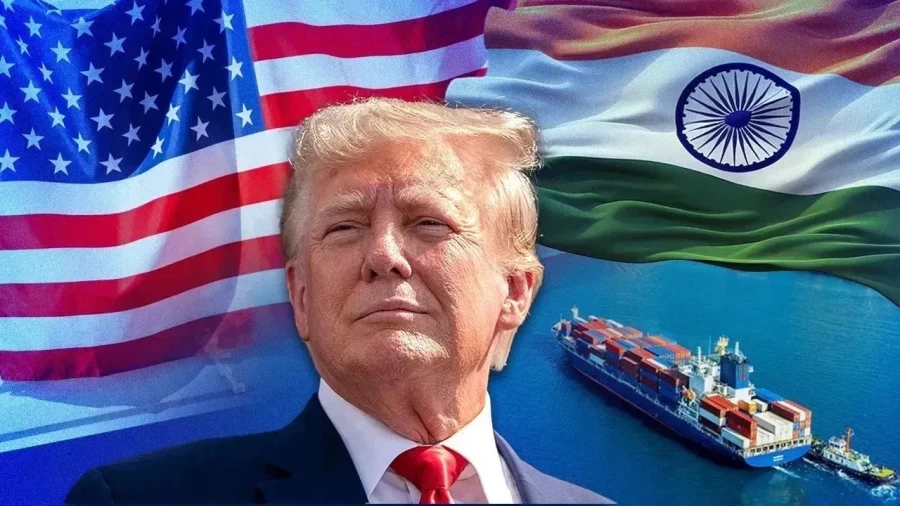
A massive refund process of $166 billion has commenced in the United States following a significant Supreme Court ruling. This money is being returned to American importers who paid the heavy tariffs imposed by Donald Trump. From an Indian perspective, approximately $10 to $12 billion of this refund is directly linked to Indian goods. However, the catch is that this money won't easily reach the pockets of Indian exporters. According to a recent report by the Global Trade Research Initiative (GTRI), claiming the tax refund isn't a straightforward process.
The Refund Mechanism and Legal Constraints
US Customs and Border Protection launched a new digital platform named 'CAPE' on April 20, through which refund claims can be filed. On February 20, 2026, the US Supreme Court declared the Trump tariffs illegal, which had been implemented under the International Emergency Economic Powers Act (IEEPA). According to the rules, only those US companies that paid the duty at the time of import have a legal right to this refund. The refund will include interest and is expected to be disbursed within 60 to 90 days. This means Indian exporters have no direct legal right to claim this money. Indian companies will only benefit from this refund if they negotiate a strong commercial agreement with their US buyers.
The Escalation of Tariff Structures
The tariff structure under the Trump administration escalated rapidly, while when it was implemented on April 2, 2025, the duty on Indian goods was 10%. Subsequently, it rose to 25% on August 7 and reached a record level of 50% by August 28. In early February 2026, it was reduced to 18%, but only a few weeks later, the Supreme Court struck down the entire framework. While these heavy tariffs were in effect, Indian companies suffered significant losses to remain competitive in the market. Many companies reduced their profit margins, while others absorbed the cost shock by modifying contract terms.
Sector-wise Impact and Refund Estimates
According to the GTRI report, approximately 53% of exports from India to the US were directly affected by these heavy tariffs. The most significant impact was felt by labor-intensive sectors such as textiles and apparel.
Strategic Options for Indian Exporters
For Indian exporters, this is no longer a matter of policy support but a 'business deal' issue. Companies that had entered into contracts on a duty-paid basis now have an excellent opportunity to renegotiate with their US buyers. Exporters must now work on options such as partial rebate-sharing, price revisions, issuing credit notes, or adjusting the remaining funds in future orders. In this process, organizations like the Apparel Export Promotion Council (AEPC), Engineering Export Promotion Council (EEPC), and Chemexcil can provide the necessary guidance to Indian companies.
