

- India,
- 08-Apr-2026 07:13 PM IST


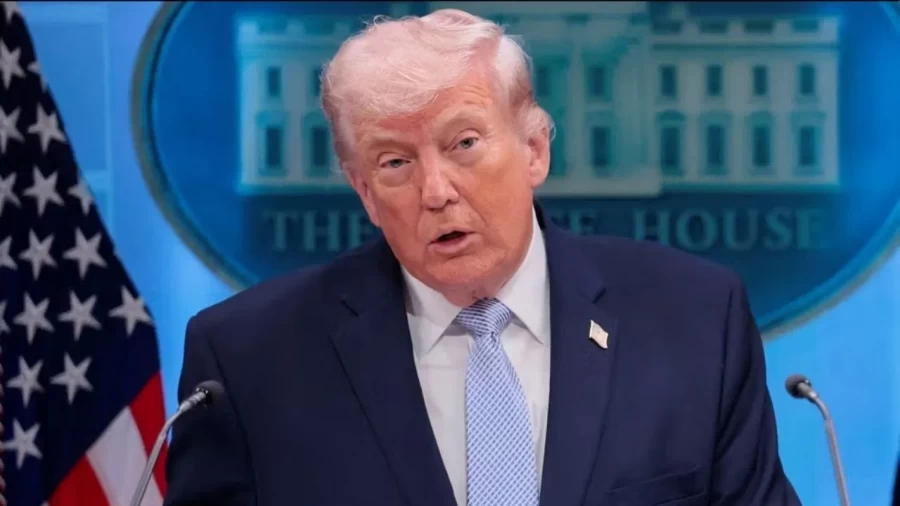
US President Donald Trump has issued a significant policy statement regarding Iran following the recent ceasefire in the Middle East. In a series of announcements, Trump declared that Iran will no longer engage in uranium enrichment and that the United States is closely monitoring Iranian nuclear sites via satellite. The President took to Truth Social to warn the international community that any nation supplying weapons to Iran will face a 50% tariff on all goods exported to the United States. According to Trump, Iran has agreed to several of the 15 conditions laid out by his administration, signaling what he termed a positive shift in the country's governance.
The 50% Tariff Ultimatum on Arms Suppliers
In a move that intertwines national security with global trade, President Trump announced a strict 50% tariff on any country providing military aid or weapons to Iran. He stated that there would be no exemptions to this rule, emphasizing that any nation facilitating Iran's military buildup would lose competitive access to the American market, while this policy is designed to dry up Tehran's defense procurement channels and exert maximum economic pressure on its allies. Officials suggest that this move could Importantly impact trade relations with major global economies that maintain defense ties with Iran, potentially leading to increased costs for consumer goods in the US imported from those nations.
Halt of Uranium Enrichment and Nuclear Site Monitoring
A central pillar of Trump's new directive is the complete cessation of uranium enrichment in Iran. The President asserted that the US would oversee the excavation and removal of nuclear residues from Iranian soil. Trump claimed that satellite surveillance is being used to maintain a constant watch over Iran's nuclear infrastructure, ensuring that no materials are moved or tampered with. By demanding an end to enrichment, the US aims to permanently close Iran's path to developing nuclear weapons. Trump indicated that if these conditions are strictly met, the US would be prepared to transition from a policy of confrontation to one of cooperation.
The 15-Point Agreement and Sanctions Relief
President Trump revealed that a 15-point framework is being used to negotiate the future of US-Iran relations. He noted that Iran has already consented to several of these points, some of which were previously agreed upon. Trump described the current situation as a "positive regime change," suggesting that the Iranian leadership is becoming more receptive to American demands. The President hinted that if the agreement is finalized and implemented, the US would consider easing the heavy economic sanctions that have crippled the Iranian economy for years. Discussions regarding the specifics of tariff reductions and the lifting of sanctions are reportedly ongoing.
Global Economic and Diplomatic Implications
The announcement of a 50% tariff has sent ripples through international diplomatic and financial circles. Such a high tariff rate could disrupt global supply chains and strain relations between the US and other world powers. Trump's stance reflects a strategy of using American economic benefit from to achieve geopolitical objectives, while while the ceasefire has provided a window for diplomacy, the threat of massive tariffs ensures that the stakes remain high for all parties involved. The President reiterated that the goal is to ensure regional stability while protecting American interests from the perceived threat of a militarized Iran.
Future Roadmap for US-Iran Cooperation
Looking ahead, the Trump administration appears focused on a structured roadmap for engagement with Tehran. Trump emphasized that the US is willing to work with Iran if it adheres to the new security protocols. The plan involves not just the cessation of nuclear activities but also a broader realignment of Iran's role in the region. The President's focus on "digging up" nuclear residues indicates a desire for a verifiable and permanent end to the nuclear program. As negotiations continue, the US maintains its dual-track approach of offering potential economic integration while threatening severe financial penalties for non-compliance.
