

- India,
- 07-Apr-2026 09:21 PM IST


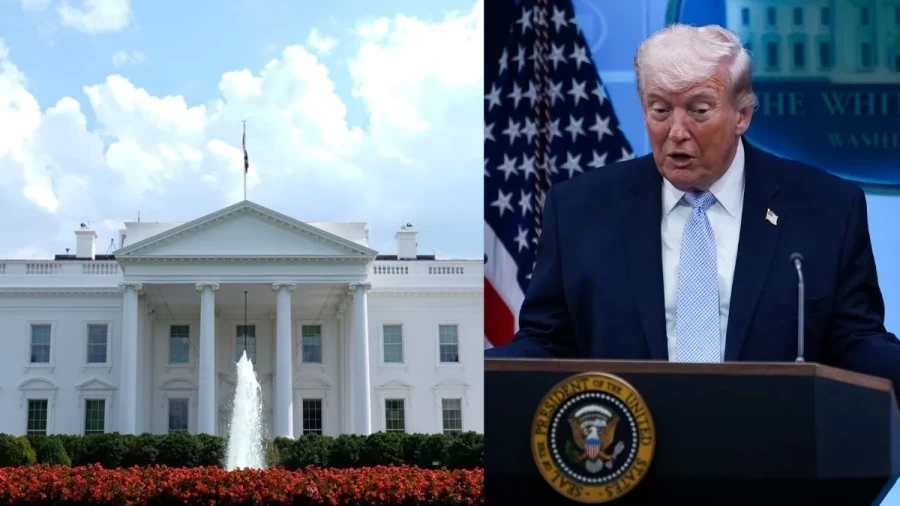
The White House has issued a formal statement clarifying the United States' military stance regarding Iran, following a series of high-stakes declarations from President Donald Trump. On Tuesday, administration officials confirmed that there are no active considerations or plans to take advantage of nuclear weaponry in the ongoing conflict. This response was prompted by a social media post from the President that suggested the potential for a civilizational collapse in the region. According to officials, the United States remains committed to its strategic objectives through conventional means and established diplomatic frameworks, despite the escalating rhetoric observed in recent hours.
The background of this development lies in the long-standing friction between Washington and Tehran, which has reached a critical juncture. For several decades, the two nations have been at odds over nuclear proliferation, regional influence, and economic sanctions. The current administration has maintained a policy of maximum pressure, which has recently transitioned into more direct warnings. According to reports from the capital, the latest exchange of threats has raised concerns among international observers regarding the stability of the Middle East and the potential for a broader military engagement.
White House Clarification on Military Strategy
In a press briefing, White House representatives explicitly dismissed any reports suggesting that the United States is preparing for a nuclear strike against Iranian targets. Officials stated that such measures aren't part of the current operational planning. According to the administration, the focus remains on neutralizing specific threats and ensuring regional security without resorting to non-conventional warfare. This clarification was intended to stabilize international markets and reassure global allies who had expressed concern over the President's recent social media commentary regarding the future of the Iranian state.
Trump's Warning of Civilizational Collapse
" In his message, he described the current moment as a rare point in history where 47 years of coercion and corruption could come to an end. According to the President's post, while he doesn't desire such a catastrophic outcome, he believes it's a possibility under the current circumstances. He noted that the transition of power to what he described as more rational and intelligent individuals could lead to a revolutionary positive shift, though the immediate tone of his message remained highly cautionary.
Potential Adjustments to Diplomatic Deadlines
During a conversation with members of the American media, President Trump indicated that the timeline for military or economic actions against Iran isn't set in stone. He mentioned that if ongoing negotiations produce a concrete and favorable result today, the established deadlines could be modified. According to the President, Washington is prepared to move forward with its existing plans if the deadline passes without significant progress. This suggests that while the threat of action is imminent, there remains a narrow window for diplomatic intervention if Tehran agrees to specific terms laid out by the administration.
Iran Severs Direct Communication Channels
S. President, the Iranian government has reportedly decided to terminate all direct communication with Washington. According to sources in Tehran, the decision was made after the President's comments were interpreted as a direct threat to the Iranian people and their cultural heritage. This severance of ties complicates any immediate efforts for de-escalation. International mediators have noted that the lack of a direct line of communication increases the risk of miscalculation on both sides, further heightening the tension in an already volatile region.
International Response and Canadian Position
The escalating situation has prompted reactions from world leaders, including Canadian Prime Minister Mark Carney, while in a public statement, Carney emphasized the importance of adhering to international humanitarian laws during times of conflict. According to the Prime Minister, Canada expects all parties involved in the Middle East crisis to refrain from targeting civilians or essential civilian infrastructure. He called for restraint and urged both the United States and Iran to consider the humanitarian implications of their actions. This international pressure highlights the global concern over the potential for a large-scale conflict that could have far-reaching consequences.
