
- India,
- 15-Jun-2026 07:54 PM IST



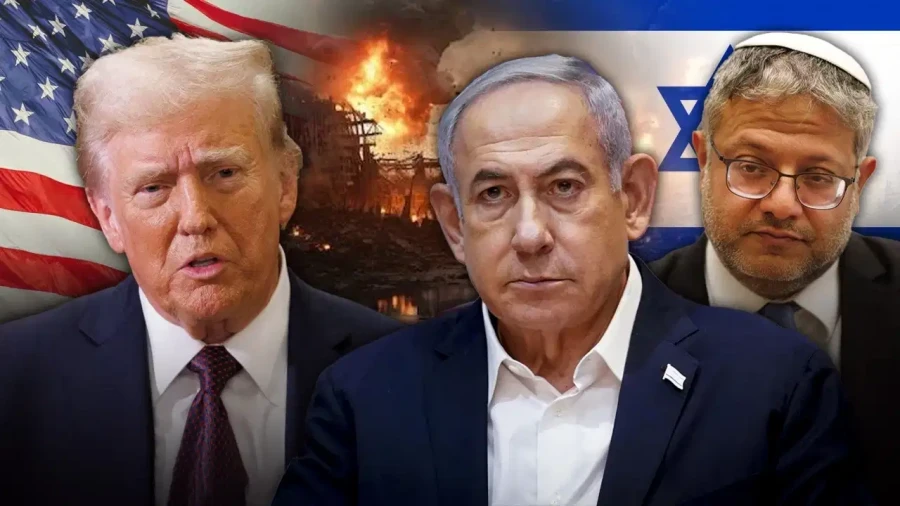
Israel appears to be in a state of open rebellion following the announcement of a peace framework between the United States and Iran. The government led by Prime Minister Benjamin Netanyahu has viewed this development with significant apprehension, describing the deal as a direct threat to its national security. This diplomatic friction has already manifested in two major policy decisions that signal a deteriorating relationship between the two long-time allies over the issue of Iranian engagement.
The Geneva Framework and Pakistan's Mediation
After extensive negotiations aimed at ending the long-standing hostilities, the United States and Iran have reached a framework agreement. This historic accord is scheduled to be officially signed on June 19 in Geneva. Notably, the mediation for this deal was facilitated by Pakistan. While leaders from Gulf nations and various international figures have been quick to congratulate both nations and express hope for future peace, the reaction from Israel has been starkly different. The country, which has often been at the center of the conflict dynamics in the region, has not officially welcomed the move.
Netanyahu's Public Silence and Trump's Birthday
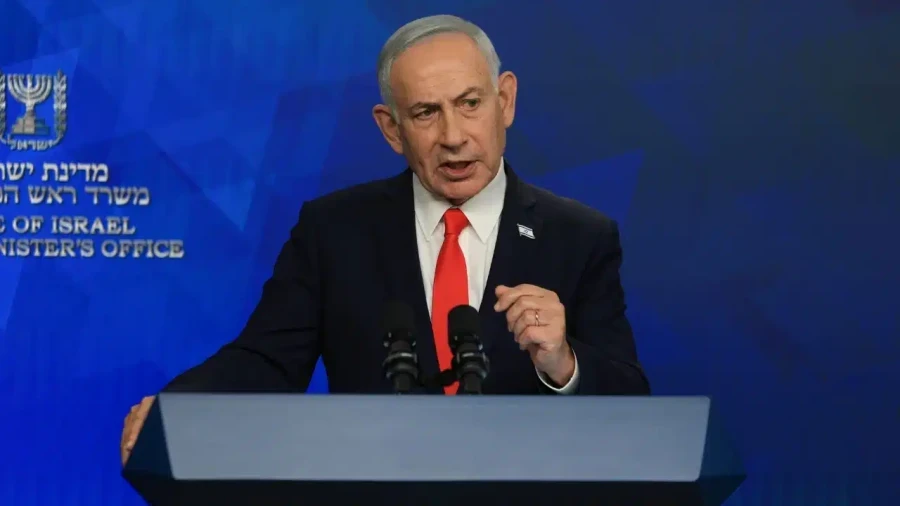
Interestingly, Israeli Prime Minister Benjamin Netanyahu has maintained a strategic silence regarding the Memorandum of Understanding. On Sunday, his only public communication on the social media platform X was a message directed at former President Donald Trump, while netanyahu posted a congratulatory message for Trump on the occasion of his 80th birthday. This post had no mention of the ceasefire agreement with Iran or the ongoing conflict in Lebanon. While the Prime Minister himself has refrained from public criticism, other members of his cabinet have been vocal, labeling the agreement as detrimental to Israel and the free world, arguing it fails to ensure their security.
Removal of US Refueling Aircraft
One of the most significant retaliatory steps came from Transport Minister Miri Regev. Following reports of the framework agreement, Regev ordered the removal of American refueling aircraft from Israeli soil. This decision follows a warning issued last month by the Israel Airports Authority, which stated that the continuous presence of these US refueling planes at Ben-Gurion International Airport could lead to the cancellation of more than 24 lakh flight tickets. Regev's directive to Prime Minister Netanyahu to move these planes coincided precisely with the news of the US-Iran diplomatic breakthrough.
Itamar Ben-Gvir's Defiant Stance
National Security Minister Itamar Ben-Gvir was the first to openly criticize the deal. In a statement shared on his Telegram channel, Ben-Gvir made it clear that Israel doesn't consider itself a party to this agreement. He wrote that the agreement doesn't bind Israel and fails to provide any security guarantees. He emphasized that Israel shouldn't settle for anything less than the total elimination of Hezbollah and insisted that not a single inch of land captured by Israeli soldiers and cleared of terrorist infrastructure should be vacated. These statements from senior ministers suggest a growing defiance against the decisions made by the US administration. If Israel continues its military actions in Lebanon and refuses to withdraw its forces, the ceasefire agreement may face significant challenges, especially since Iran has stated it won't abandon Hezbollah.