
- India,
- 10-Aug-2026 09:02 AM IST



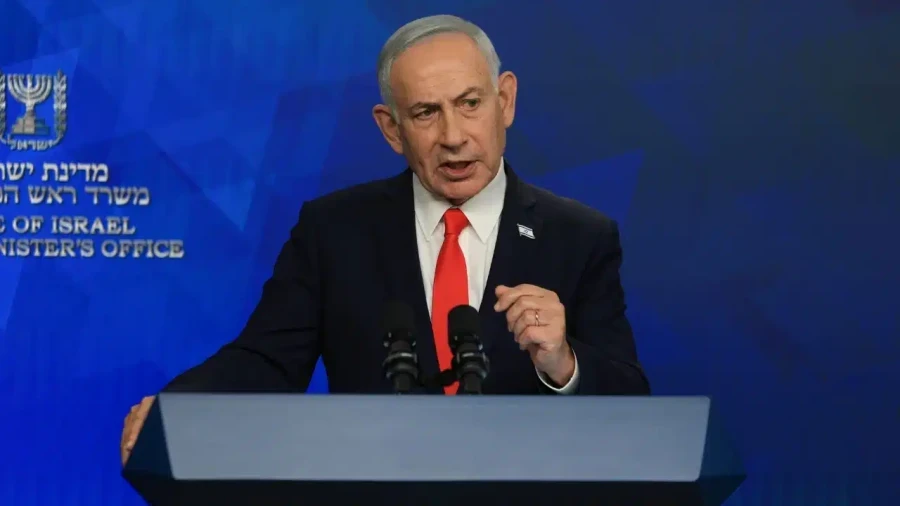
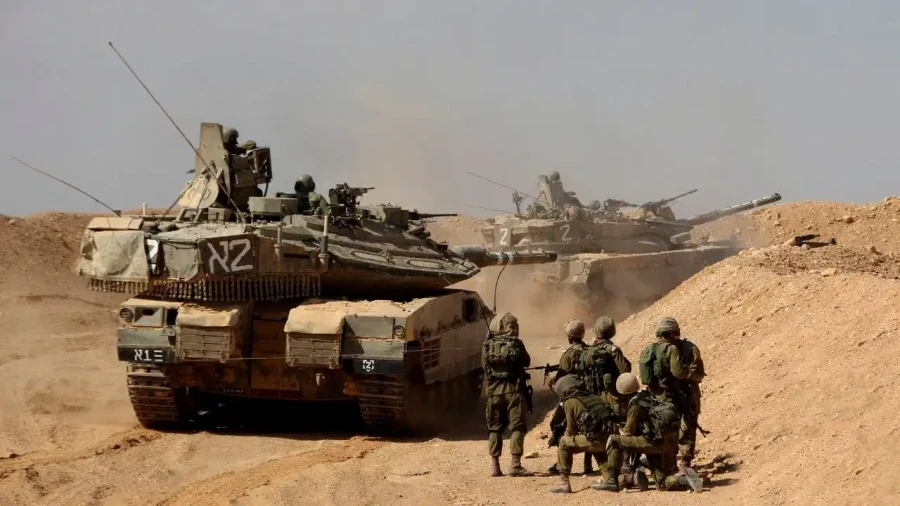
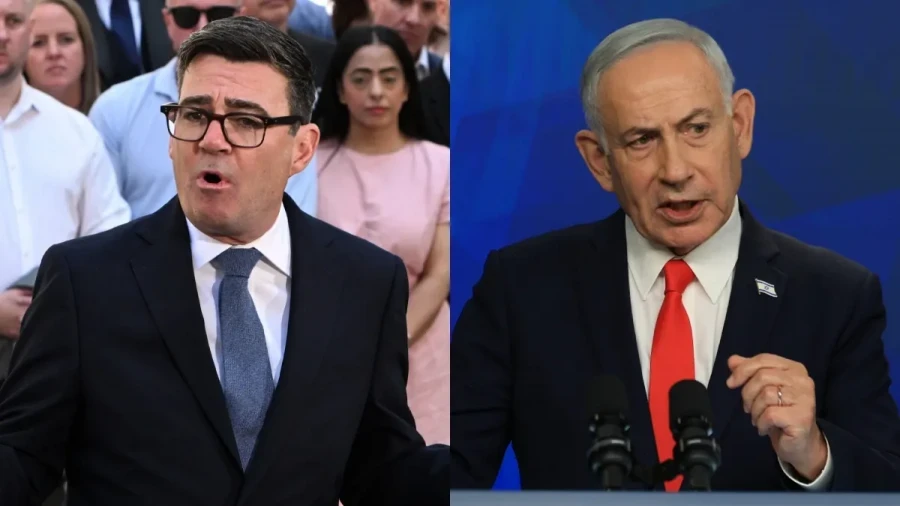
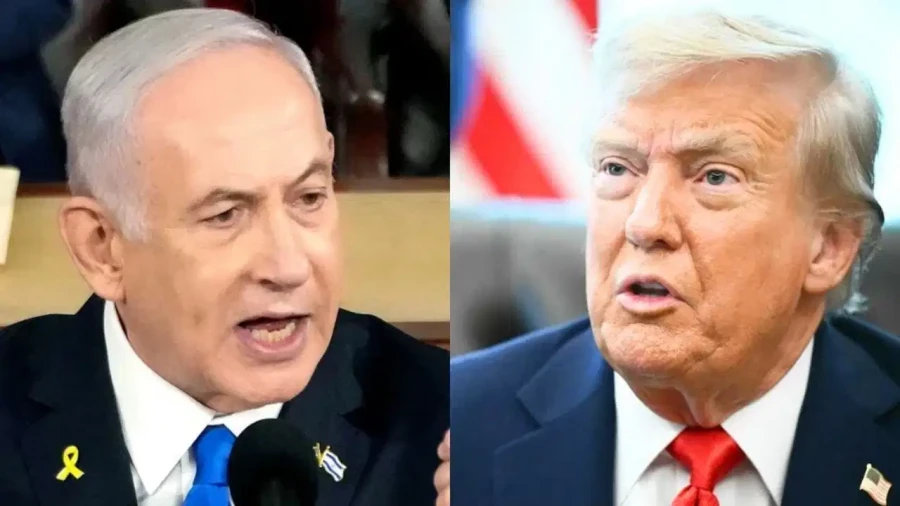
S. President Donald Trump. Prime Minister Benjamin Netanyahu clarified on Sunday that the Israeli Defense Forces (IDF) won't withdraw from the Palestinian territory until Hamas effectively surrenders its weapons. This statement comes at a time when the Israeli military maintains control over more than half of the Gaza Strip, an area inhabited by approximately 20 lakh people. Netanyahu emphasized during a cabinet meeting that while Israel rejects the 15 point document presented by Trump, the government will continue to engage in discussions with Washington regarding future plans for Gaza. He had expressed similar sentiments last week, reinforcing his position that military pressure must continue until the group's capabilities are neutralized.
Netanyahu's Stance on Military Withdrawal
The Israeli Prime Minister's refusal to accept the deal hinges on the condition of total disarmament by Hamas. Netanyahu stated that there would be no withdrawal from Gaza as long as the militant group remains armed. This contradicts the claims made by Donald Trump, who had suggested that the Israeli military would pull back once the process of Hamas laying down its arms was completed. On the other side, Basem Naim, a member of the Hamas political bureau, stated that the group remains committed to the roadmap. Naim expressed hope that mediators and the United States would exert pressure on Netanyahu, who is currently facing significant domestic tension and a struggle to maintain power ahead of the upcoming elections scheduled for October 27. The conflict in Gaza, which began following the Hamas led attack on Israel on October 7, 2023, continues under a fragile ceasefire.
Houthi Attacks on Mocha Port and Saudi Aramco
In a significant escalation of regional violence, Iran backed Houthi rebels in Yemen launched a multi pronged attack on the government controlled port of Mocha on the Red Sea coast. The National Resistance Forces, an ally of the Yemeni government, reported that the attack involved missiles and drones, resulting in the deaths of at least 7 people, including 4 soldiers and 3 civilians. On top of that, 15 civilians were injured in the strike. Fayed al Noaman, the Assistant Undersecretary of the Ministry of Information, stated that the rebels targeted port buildings, piers, and warehouses containing commercial goods and food supplies, causing extensive damage, while the military later confirmed that missiles landed in several areas, including a site near a television channel. Mocha serves as a vital international port for the recognized government, having been renovated to handle ships that avoid the Houthi controlled port of Hodeidah. The Houthis claimed responsibility, stating they targeted military forces and warehouses.
Plus, Houthi military spokesperson Yahya Saree announced that they targeted the Aramco refinery in the Saudi city of Jazan using drones. This attack was described as a response to Saudi drones violating Yemeni airspace over the Hajja and Saada provinces, while the Saudi Ministry of Energy confirmed that a fire broke out at a facility within the Aramco refinery, though no casualties were reported. The ministry didn't specify the cause of the fire. These attacks have raised fears of a full scale resumption of the civil war in Yemen, which had seen a relative lull since a 2022 agreement.
Negotiations Over the Strait of Hormuz
Amidst the conflict, reports have emerged regarding a potential agreement between Iran and Oman concerning the management of the Strait of Hormuz. Iran and Oman, situated on opposite sides of the strategic waterway, are reportedly working to finalize a temporary deal to reopen the strait. Under this arrangement, ships would enter through Iranian waters and exit through Omani waters. Sources familiar with the talks indicated that during this interim period, vessels would be allowed to pass without paying any fees or tolls. This agreement aims to restore a separate interim deal previously reached between the United States and Iran. The Strait of Hormuz is a critical artery for global oil and natural gas supplies and was considered an international waterway before the conflict. , and the UN International Maritime Organization, though terms may change before finalization.
Iran's Conditions for Enemy Nations
Despite the progress in negotiations, Iran has signaled that restrictions will remain for ships from enemy countries. A member of the Iranian Parliament's National Security Committee stated that countries that have caused harm to Iran won't be allowed passage until they provide compensation. Semi official news agencies Fars and Tasnim identified the United States and Israel as being among these enemy nations. Iranian Foreign Minister Abbas Araghchi confirmed that talks with Oman regarding new maritime routes are in the final stages but clarified that this doesn't mean the Strait of Hormuz will automatically reopen. He emphasized that certain conditions must be met, which have been communicated through mediators. S. improves its behavior. S. forces from the region. Also, Iran is demanding full compensation for war damages, the lifting of sanctions, and the unconditional release of frozen assets.
Pentagon's Ammunition Crisis and Maritime Impact
The ongoing regional tensions have Importantly impacted global shipping and military readiness, while s. S. forces as of Saturday. In response to the depletion of military resources, Pentagon spokesperson Sean Parnell stated that the department is focusing on increasing the procurement of ammunition to ensure troops have the necessary weapons to face evolving threats. S, while military's stock of advanced missile interceptors has been heavily utilized in the conflict with Iran. S, while military aid. Parnell noted that these efforts are part of a broader modernization drive that was already underway before the conflict intensified following the attacks on February 28.