
- India,
- 10-Aug-2026 08:55 AM IST



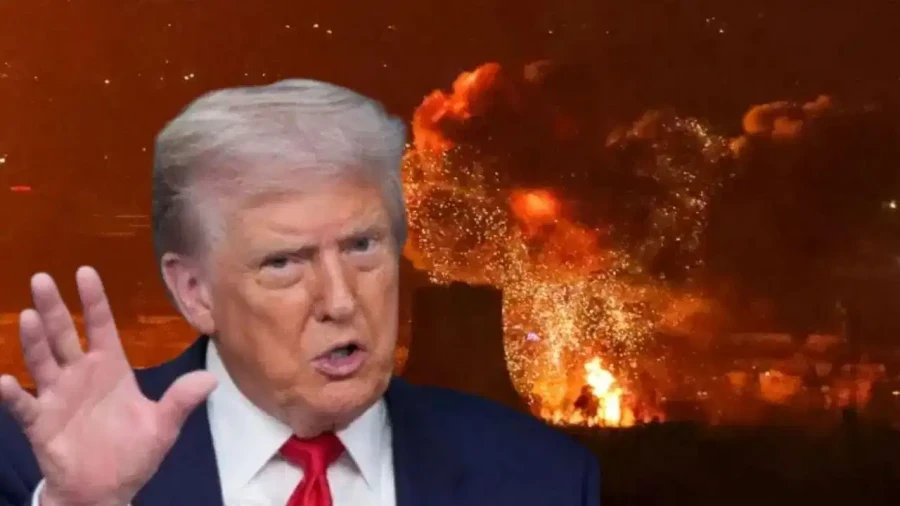
In a significant shift of diplomatic and military strategy, United States President Donald Trump is reportedly considering a new approach to de-escalate the ongoing tensions with Iran, while according to a detailed report by The Wall Street Journal, the Trump administration may now prioritize the complete reopening of the Strait of Hormuz over the long-standing pursuit of a comprehensive nuclear agreement. This potential pivot suggests that if maritime traffic in this vital global corridor is fully restored, the United States might find a path to end the current conflict even without a formal nuclear deal in place. Trump has reportedly indicated to his close officials that securing the freedom of navigation in the region could serve as a sufficient basis for a ceasefire or a broader resolution to the hostilities.
The Strategic Importance of the Strait of Hormuz
The Strait of Hormuz stands as one of the world's most critical chokepoints for global oil transportation. In recent months, the passage has been plagued by instability due to the threat of missile and drone attacks originating from Iran. This volatility has not only disrupted shipping but has also led to significant fluctuations in the international oil market. President Trump has signaled to his close advisors that securing this waterway is a top priority. While the President has claimed in recent weeks that the Strait remains fully open, the reality on the ground presents a more complex picture. Tehran continues to voice strong objections to the presence and movement of American warships and those belonging to its allies in the region, while On top of that, Iran has proposed a controversial plan to levy fees on commercial vessels using the route, a proposal that the United States has firmly rejected as a violation of international maritime norms.
Iran Sets Stringent Conditions for Reopening
Despite the potential for a diplomatic opening, Iran has presented a formidable list of demands that could complicate any immediate agreement. Mohammad Bagher Zolghadr, the Secretary of Iran's Supreme National Security Council, has outlined several non-negotiable conditions for the full restoration of traffic in the Strait of Hormuz. These demands include a permanent end to the war, the lifting of the naval blockade, and the complete withdrawal of United States military forces from the region. Also, Tehran is seeking the removal of all economic sanctions and the release of Iranian assets currently frozen in foreign accounts. Beyond these structural demands, Iran is also calling for war reparations and an end to what it describes as American threats and rhetoric, while a key sticking point remains Iran's demand that the United States cease all military actions against Iran-backed militia groups operating across the Middle East.
Domestic Political Pressures on the Trump Administration
The shift in Trump's strategy is also being driven by domestic considerations within the United States. With the American midterm elections less than 3 months away, the administration is facing mounting pressure to resolve the conflict and stabilize the economy. Since the onset of the hostilities, gasoline prices in the United States have remained Notably higher than previous levels, causing concern among voters. For President Trump, successfully reopening the Strait of Hormuz and ensuring the flow of oil would be a major political victory that he could present to the electorate as a significant achievement, while this domestic urgency is pushing the administration to look for pragmatic solutions that can yield immediate results, even if they don't address the broader nuclear issue in the short term.
Why the Nuclear Issue is Taking a Backseat
For years, Iran's nuclear program has been the central point of contention between Washington and Tehran, while the Trump administration has consistently maintained that Iran must never be allowed to acquire a nuclear weapon. However, according to the WSJ report, Trump has expressed a belief in recent meetings that the nuclear threat may be less immediate than previously thought. The President's logic is based on the assessment that recent American strikes on Iran's primary nuclear facilities have caused enough damage to make it extremely difficult for Tehran to restart its program in the near future, while trump believes that the United States intelligence apparatus is capable of detecting any new nuclear activity and that the continued threat of military action will serve as a sufficient deterrent. Consequently, the administration feels it has the breathing room to prioritize the Strait of Hormuz and maritime security.
Economic Hurdles and the Path Forward
One of the most difficult aspects of any potential deal will be addressing Iran's economic demands, while tehran is demanding billions of dollars in war reparations and the release of its frozen assets. While President Trump has publicly stated that American taxpayer money won't be handed over to Iran, some US officials suggest that a compromise might involve the conditional release of some of Iran's own frozen funds. Other critical issues include whether Iran will be allowed to resume oil sales on the international market and the extent of sanctions relief. If Iran agrees to the full restoration of commercial and military shipping in the Strait of Hormuz, it could provide the necessary opening for Trump to end the conflict. However, the current gap between Iran's demands and the US position suggests that the focus of future negotiations will shift from nuclear centrifuges to maritime corridors, sanctions, and financial compensation.