

- India,
- 03-Mar-2026 05:44 PM IST


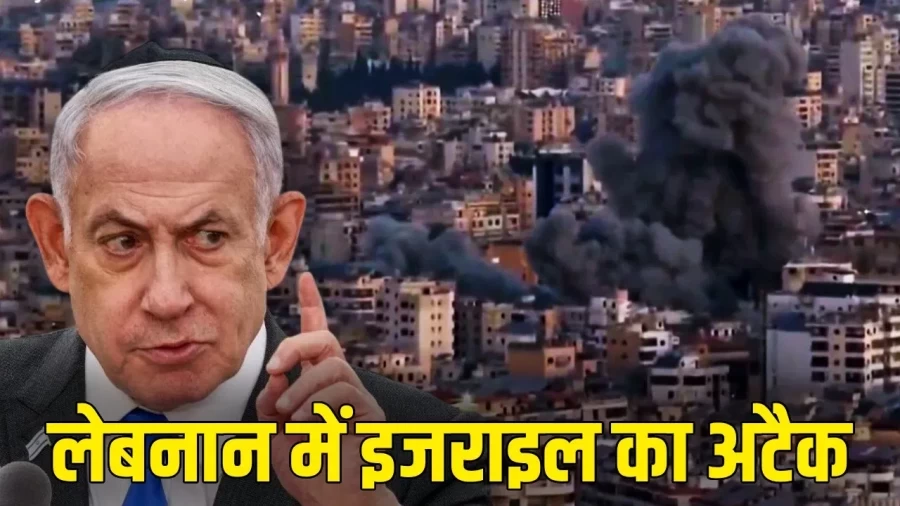
Military tensions between Israel and Lebanon have once again reached a critical level. In recent developments, the Lebanon-based armed group Hezbollah launched rocket attacks on Israeli territories, prompting the Israel Defense Forces (IDF) to conduct extensive airstrikes on Hezbollah strongholds within Lebanon. According to military reports, Israel has issued evacuation warnings for approximately 53 villages in southern Lebanon, indicating a potential expansion of the conflict. This current confrontation isn't merely a result of immediate events but is rooted in a complex history and geopolitical factors spanning several decades. The hostility between Israel and Lebanon began with the emergence of Israel as an independent nation in 1948.
The Emergence of Hezbollah and Regional Alliances
A primary factor in the ongoing hostility between Israel and Lebanon is the existence and influence of Hezbollah. Hezbollah is a Shia political and military organization formed in the early 1980s. According to official records, the group was established with the primary objective of resisting the Israeli military presence in Lebanon and opposing the existence of the State of Israel. Hezbollah receives extensive military and financial support from Iran. According to Israeli security agencies, Hezbollah possesses a vast arsenal of advanced rockets and missiles that pose a direct threat to Israel's security. This Iranian-backed organization is deeply integrated into Lebanese politics, making it challenging for the Lebanese government to regulate its activities.
Territorial Disputes and the United Nations Blue Line
Another major cause of tension between the two nations is the unresolved border dispute. There is no formal international border between Israel and Lebanon. ' However, Lebanon doesn't recognize certain sections of this line. Specifically, the area known as 'Shebaa Farms' remains a central point of contention, while lebanon claims this territory as its own, while Israel maintains it's part of the Golan Heights, captured from Syria during the 1967 war. Also, disputes over maritime boundaries and natural gas reserves in the Mediterranean Sea have periodically contributed to military friction.
Impact of Palestinian Groups and the 1982 Conflict
Historically, the presence of Palestinian refugees in Lebanon has played a significant role in deteriorating relations with Israel, while following the wars of 1948 and 1967, a large number of Palestinian refugees settled in Lebanon. In the 1970s, the Palestine Liberation Organization (PLO) utilized Lebanon as its primary base for operations against Israel. ' During this conflict, Israeli forces reached as far as Beirut. Although Israel eventually withdrew from most areas, it maintained an occupation of a 'security zone' in southern Lebanon until 2000. This prolonged military presence intensified anti-Israel sentiment within Lebanon and facilitated the rise of local resistance groups.
The 2006 Military Confrontation and Recent Developments
The 34-day war between Israel and Hezbollah in 2006 marked a significant turning point in the history of both nations. The conflict was triggered by Hezbollah's cross-border raid and the abduction of two Israeli soldiers. The ensuing war caused extensive damage to Lebanon's infrastructure and presented significant military challenges for Israel. While UN Security Council Resolution 1701 established a ceasefire, its provisions have not been fully implemented. Currently, amidst the ongoing conflict in Gaza, Hezbollah has intensified its attacks on Israel's northern front. According to Israeli officials, the military is prepared for further escalation to ensure the safety of its northern residents. This volatility continues to pose a threat of a broader regional conflict in the Middle East.
