

- India,
- 29-Mar-2026 08:15 AM IST


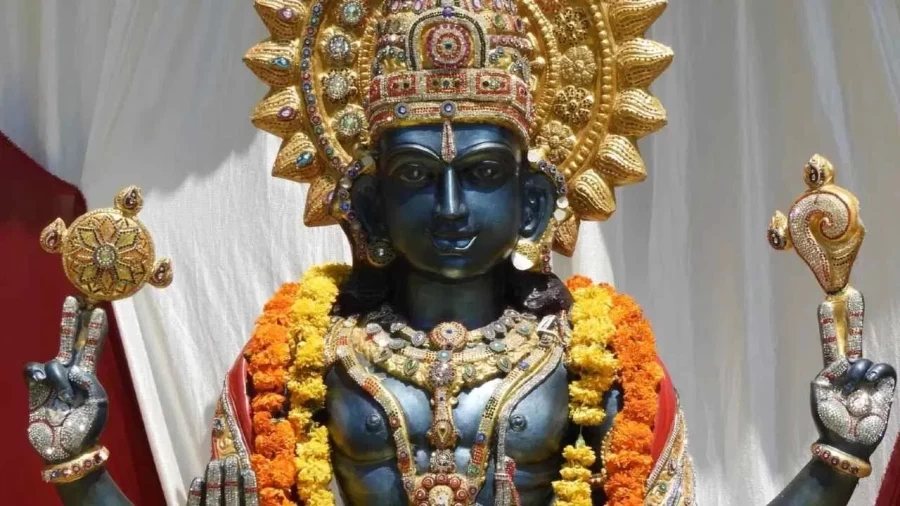
According to the Hindu Panchang, Kamada Ekadashi is celebrated on the Ekadashi Tithi of the Shukla Paksha in the month of Chaitra. In the year 2026, this sacred date falls on March 29. Religious beliefs suggest that observing a fast and worshipping Lord Vishnu on this day fulfills all the desires of the devotees. This year's Ekadashi is considered particularly significant due to the formation of several rare astrological conjunctions, which enhance the spiritual importance of the day. A special 50-minute window has also been identified for performing the main rituals.
Historical and Religious Background of Kamada Ekadashi
' Mythological texts state that this Ekadashi occurs shortly after the conclusion of Chaitra Navratri and is often regarded as the first Ekadashi of the Hindu New Year, while it's mentioned in the Shastras that fasting on this day not only alleviates the struggles of the present life but also provides liberation from past sins. Ancient scriptures explain that the spiritual merit obtained through difficult penance can be easily achieved by observing the Kamada Ekadashi fast with utmost devotion and sincerity.
Rare Conjunction of Gauri and Trigrahi Yoga
Astrological calculations indicate that on March 29, 2026, the Moon will be positioned in its own sign, Cancer. This placement results in the formation of 'Gauri Yoga,' which is traditionally associated with happiness, peace, and domestic prosperity. Also, a 'Trigrahi Yoga' is being formed in Aquarius due to the conjunction of Mars, Mercury, and Rahu. According to experts, this specific planetary alignment is highly conducive to spiritual activities. The rewards of prayers and charity performed during these yogas are believed to be multiplied, making this day exceptional for spiritual seekers.
Detailed Puja Muhurat and the 50-Minute Window
The Panchang has designated two primary timings for worship on Kamada Ekadashi. The first muhurat is in the early morning, starting from 4:42 AM and lasting until 6:15 AM. This period, coinciding with Brahma Muhurat and sunrise, is considered ideal for meditation and deep prayer. Also, a special 50-minute auspicious window will occur in the afternoon, from 12:01 PM to 12:51 PM. Religious scholars suggest that for those unable to perform the morning rituals, this afternoon slot is highly effective for the joint worship of Lord Vishnu and Goddess Lakshmi.
Ritualistic Procedures and Key Steps of Worship
On the day of Kamada Ekadashi, devotees typically wake up before sunrise and take a ritual bath, while following this, idols of Lord Vishnu and Goddess Lakshmi are consecrated with holy water (Gangajal). The use of yellow flowers, fruits, and specifically Tulsi leaves is considered mandatory in the puja. The mantra 'Om Namo Bhagavate Vasudevaya' is continuously chanted while lighting incense and lamps. Listening to the Vrat Katha (fasting story) and performing the Aarti are integral parts of the tradition, while devotees observe a sattvic diet or a fruit-based fast, which concludes the following day on Dwadashi Tithi with the Parana ritual.
Spiritual Benefits and Traditional Observances
It's believed that observing the Kamada Ekadashi fast removes financial obstacles and brings stability to one's life. Acts of charity, particularly the donation of food and water, hold immense significance on this day. Since the 2026 Ekadashi falls on a Sunday, it also aligns with the worship of the Sun God. Devotees often recite the Vishnu Sahasranama and spend the night in vigil, participating in bhajans and kirtans. This date serves not only as a means for personal purification but also as a medium for spreading social harmony and spiritual consciousness.
Disclaimer
This report is based on traditional Hindu calendar calculations and religious beliefs. Readers are encouraged to consult with local priests or experts for specific regional variations in timings.
