

- India,
- 22-Mar-2026 08:48 AM IST


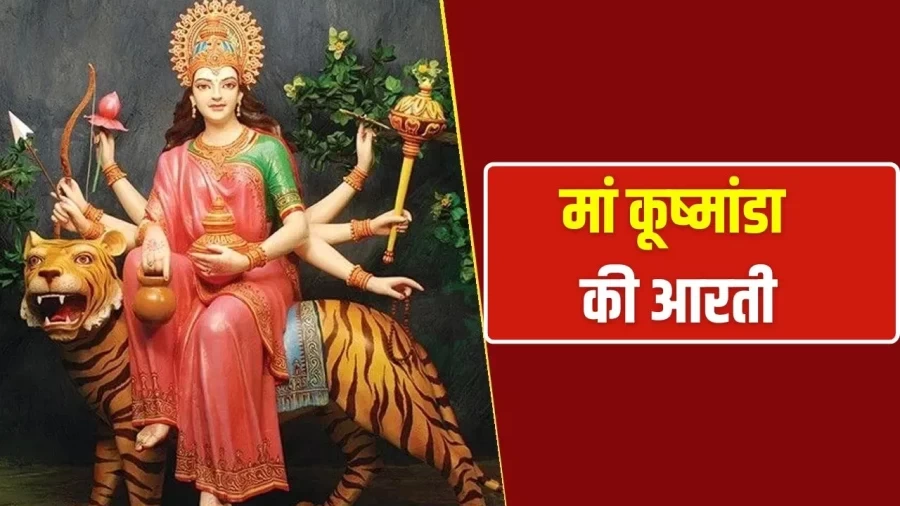
The fourth day of Chaitra Navratri 2026 is dedicated to the worship of Maa Kushmanda, the fourth manifestation of Goddess Durga. According to Hindu scriptures, she's credited with creating the universe with her divine smile. Devotees across the country are observing this day with traditional fervor, performing rituals to seek blessings for health, wealth, and prosperity.
' She holds various symbolic items, including a bow, arrow, lotus, and a mace. Her radiance is said to be as brilliant as the sun, reflecting her role as the ultimate source of cosmic energy and light in the universe.
The Divine Form and Significance
Maa Kushmanda resides in the inner core of the Sun, and she's the only deity who can sustain the intense heat of the solar sphere. Her name is derived from three words: 'Ku' (little), 'Ushma' (warmth), and 'Anda' (cosmic egg). Spiritually, she governs the Anahata Chakra. Devotees believe that her worship enhances decision-making abilities, provides mental clarity, and helps in overcoming physical ailments.
Ritualistic Offerings and Traditions
The worship begins early in the morning with a holy bath and the lighting of a traditional lamp. A significant aspect of the fourth day is the offering of 'Malpua' (sweet pancakes), which is considered the Goddess's favorite bhog, while in addition to Malpua, curd and halwa are also offered during the prayers. Red flowers, sandalwood paste, and incense are used to adorn the altar of the deity during the ceremony.
Sacred Mantras and Chants
Chanting specific mantras is an integral part of the ritual to invoke the Goddess. The primary mantra 'Om Kushmandayai Namah' is recited by devotees. ' These chants are believed to purify the surroundings and align the devotee's energy with the divine vibrations of the Goddess.
Devotional Aarti and Conclusion
The puja concludes with the performance of the Aarti. The traditional hymn 'Kushmanda Jai Jag Sukhdani' is sung collectively by families and temple congregations. The Aarti emphasizes the Goddess's role as a provider of happiness and a protector against obstacles, while following the Aarti, the consecrated food (Prasad) is distributed among the participants, marking the completion of the day's religious observances.
