

- India,
- 22-Mar-2026 09:00 AM IST


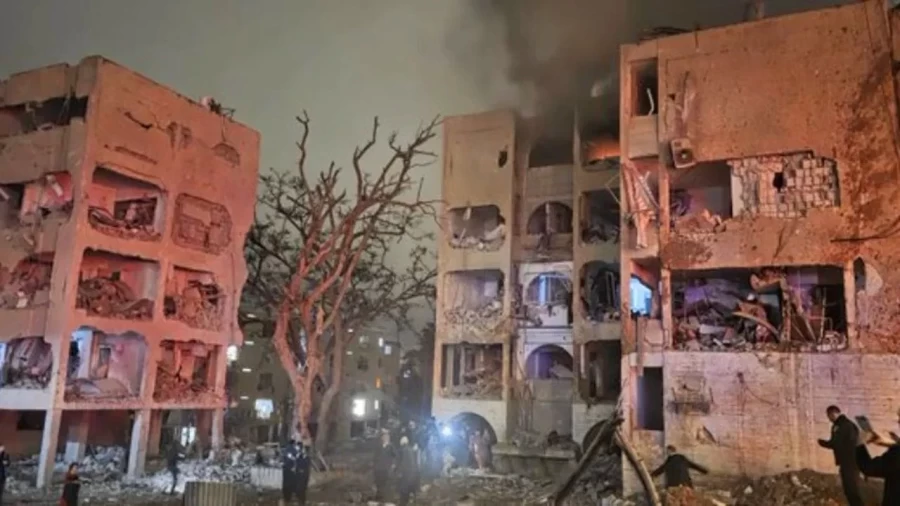
In a significant escalation of regional hostilities, Iranian missile strikes targeted the Israeli cities of Arad and Dimona, leaving more than 100 individuals injured. According to Israeli officials, the strikes deliberately targeted residential areas, causing extensive structural damage. Prime Minister Benjamin Netanyahu characterized the incident as a war crime and pledged a decisive response against Tehran. The Israeli Foreign Ministry confirmed that the casualties include several children, highlighting the humanitarian impact of the barrage. The attack has triggered a high-alert status across the country as defense systems remain operational.
Casualties and Damage in Arad and Dimona
The Israeli Foreign Ministry reported that the Iranian regime launched missiles with the intent to strike civilian populations in Arad and Dimona. In an official statement, the ministry noted that the strikes resulted in over 100 injuries, with many victims being rushed to nearby medical facilities for urgent care. Emergency responders have been working through the night to clear debris and assist those trapped in damaged buildings. The ministry has labeled the act as state-sponsored terrorism and a violation of international law, calling for global condemnation of the strikes on non-military targets.
Evacuation of Families and Emergency Response
As reported by Al Jazeera, the Mayor of Arad, Yair Maayan, confirmed that approximately 150 families have been evacuated from the most affected neighborhoods to ensure their safety. Local authorities have established temporary shelters and are providing essential supplies to the displaced residents, while the mayor stated that the primary focus remains on life-saving operations and securing the perimeter against potential unexploded ordnance. Emergency and rescue forces have been reinforced in the southern region to manage the aftermath and restore basic services like electricity and water, which were disrupted by the impact.
Official Response from Prime Minister Netanyahu
Prime Minister Benjamin Netanyahu held a briefing with the Mayor of Arad to assess the scale of the destruction, while in a public address, Netanyahu expressed his condolences to the injured and their families, describing the evening as a difficult moment in the nation's ongoing security operations. He has directed the Director-General of his office to coordinate with all government ministries to provide immediate financial and logistical aid to the affected municipalities. Netanyahu emphasized that Israel remains determined to strike back at its enemies on all fronts and urged citizens to strictly adhere to the directives issued by the Home Front Command.
Political Solidarity and Opposition Statements
The attack has seen a rare moment of political unity within Israel. Former Prime Minister Naftali Bennett expressed his solidarity with the residents of Arad and Dimona, stating that the nation's heart is with the victims. Similarly, former Prime Minister and current opposition leader Yair Lapid described the event as a major disaster. Lapid commended the bravery of the security and rescue forces working under fire to save lives. Both leaders emphasized that the safety of Israeli citizens transcends political affiliations, and the focus must remain on national defense and the recovery of the injured.
Strategic Significance of the Dimona Region
The targeting of Dimona is particularly significant as it's the site of Israel's primary nuclear research facility, while while there have been no official reports of damage to the nuclear infrastructure itself, the proximity of the strikes has raised serious security concerns. Defense analysts suggest that targeting this region represents a strategic escalation by Iran. In response, the Israeli Defense Forces (IDF) have bolstered air defense batteries in the south. Military intelligence is currently analyzing the trajectory and type of missiles used to refine future interception protocols and prepare for potential subsequent waves of attacks.
