

- India,
- 02-Mar-2026 07:00 AM IST


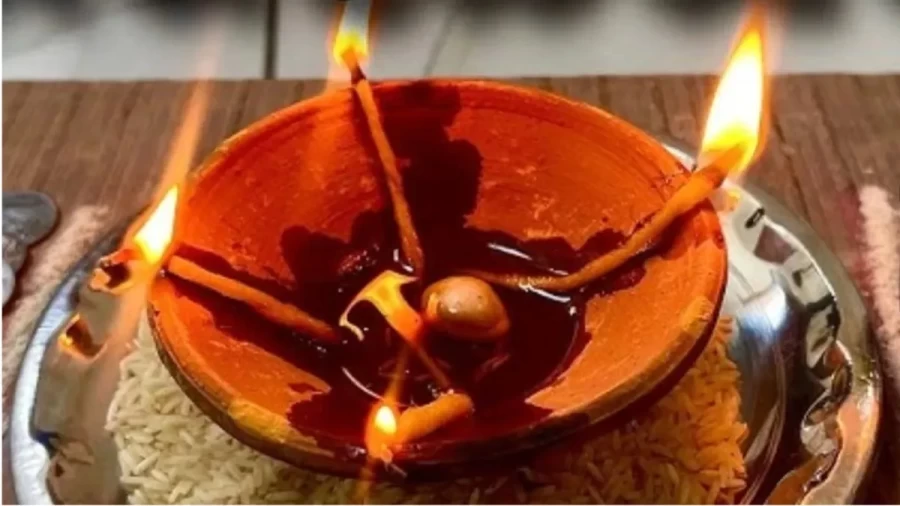
The festival of Holi, celebrated on the Purnima Tithi of the Phalguna month, is scheduled for March 4, 2026. In Hindu theology, the night of Holi is revered as one of the four 'Maharatris' or Great Nights, alongside Diwali, Janmashtami, and Mahashivratri. These nights are considered spiritually charged, making them ideal for meditation, prayers, and the ritual of 'Deepdan' (offering lamps), while according to scholars and religious texts, lighting lamps at specific locations during this night helps in neutralizing negative energies and fostering a harmonious environment within the household.
Rituals at the Peepal Tree and Main Entrance
According to ancient traditions, lighting a lamp under a Peepal tree on the night of Holi is highly significant. It's customary to light a lamp and perform seven circumambulations (Parikrama) around the tree. This practice is believed to appease the ancestors and mitigate 'Pitri Dosha,' thereby removing obstacles from one's life, while similarly, placing ghee lamps on both sides of the main entrance of the house is a common practice. This ritual is intended to welcome positive energy and symbolize the arrival of prosperity into the home.
Importance of the South-West Corner and Puja Room
Vastu Shastra and religious customs suggest lighting a lamp in the South-West direction of the house during the night of Holi. This specific direction is associated with stability, and lighting a lamp here is believed to strengthen the financial condition of the family. Also, the Puja room or the household temple must have a lamp lit throughout the night. This act is dedicated to the deities and is thought to purify the home's inner atmosphere, replacing negativity with spiritual vibrance.
Significance of the Holika Dahan Site
A crucial part of the Holi rituals involves lighting a lamp at the exact spot where the Holika Dahan (the ritual bonfire) took place. It's believed that this practice ensures the continuity of the fire's purifying energy and brings peace to the household. According to local folklore, offering a lamp at the site of the bonfire is a mark of respect to the tradition and a prayer for the well-being of the community and the family.
Traditions Involving the Tulsi Plant and Kitchen
The Tulsi plant, considered sacred in Indian households, is another vital location for Deepdan on Holi evening. Lighting a lamp near the Tulsi plant is believed to maintain a positive aura and ensure domestic happiness. Also, a tradition exists of lighting a mustard oil lamp in the kitchen. Since the kitchen is regarded as the abode of Goddess Annapurna, this ritual is performed with the belief that it ensures a constant supply of food and wealth, preventing any scarcity in the household.
Disclaimer: The information provided here is based on religious beliefs and folklore. There is no scientific evidence for this. Zoom News does not provide any proof of the veracity of any of its contents.
