

- India,
- 02-Apr-2026 09:19 AM IST


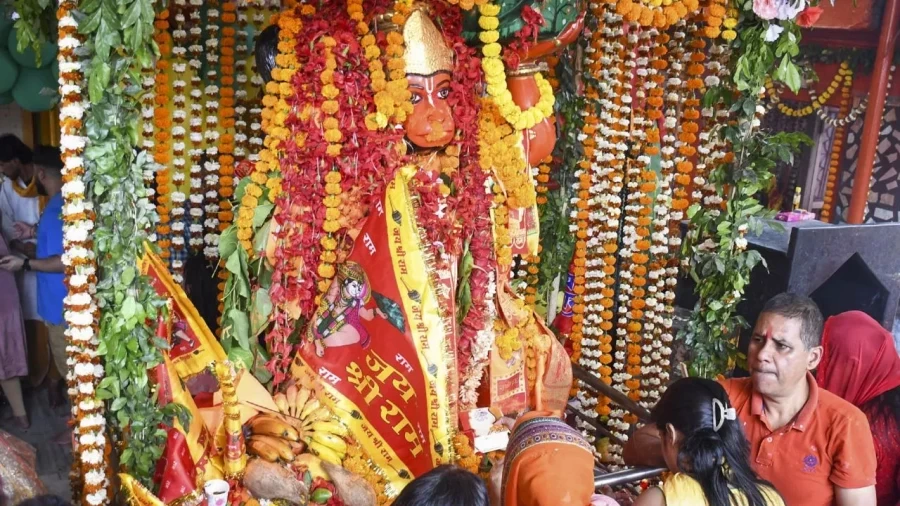
According to the Hindu lunar calendar, Hanuman Jayanti 2026 will be observed on April 2. This significant festival marks the birth anniversary of Lord Hanuman, the 11th Rudra avatar of Lord Shiva. Celebrated on the Purnima (full moon day) of the Chaitra month, the occasion is marked by immense devotion, prayers, and religious gatherings across the country. Lord Hanuman is revered as the symbol of strength, devotion, and protection, and his birth is considered a pivotal event in ancient scriptures.
Astrological calculations for the year 2026 have identified specific time windows, known as 'muhurats', for performing the puja. While many devotees traditionally perform rituals at sunrise, the evening hours hold equal spiritual significance. According to experts and liturgical texts, the alignment of stars on this day provides a conducive environment for spiritual practices, making it essential for devotees to adhere to the prescribed timings for maximum benefit.
Hanuman Jayanti 2026 Date and Auspicious Timings
For the year 2026, Hanuman Jayanti falls on April 2, and the day features two primary auspicious windows for worship. The morning muhurat is scheduled from 6:10 AM to 7:44 AM, aligning with the early hours of the day which are traditionally preferred for Vedic rituals. For those who can't participate in the morning prayers due to professional or personal commitments, an evening muhurat has been identified from 6:39 PM to 8:06 PM. This evening period is considered highly potent for seeking the deity's intervention in overcoming life's obstacles.
Significance of Evening Puja Muhurat
The evening puja on Hanuman Jayanti is deeply rooted in astrological and religious traditions. It's believed that performing rituals during the twilight hours helps in pacifying planetary afflictions, particularly those related to Saturn (Shani) and Mars (Mangal). For working professionals and householders, the evening window serves as a 'Vijay Muhurat', a time associated with success and the removal of hurdles. Religious scholars suggest that the atmosphere during the evening is filled with positive vibrations, making it an ideal time for meditation and the recitation of sacred texts.
Step-by-Step Puja Rituals and Offerings
Observing the puja with sincerity requires following specific traditional steps. Devotees are advised to take a bath and wear clean red or yellow attire before commencing the evening rituals. A lamp filled with jasmine oil (Chameli ka tel) should be lit in front of the idol or image of Lord Hanuman. If jasmine oil is unavailable, pure ghee may be used. Offering 'Chola' (a mixture of vermilion and jasmine oil) to the deity is a core ritual, while traditional offerings include Besan or Boondi Laddus, and a mixture of jaggery and roasted grams (Gur-Chana). These offerings are believed to be the favorites of the deity and are later distributed as 'Prasad'.
Spiritual Importance of Hanuman Chalisa and Mantras
The recitation of the Hanuman Chalisa is a central feature of the celebrations. During the evening muhurat, reciting the Chalisa seven times is considered a transformative practice that builds mental resilience and spiritual strength. On top of that, chanting the mantra 'Om Hanumate Namah' helps in focusing the mind and invoking the protective energy of the deity, while many devotees also engage in reading the 'Sundarkand' from the Ramayana, which details the heroic exploits of Hanuman. These practices are aimed at fostering a sense of discipline and unwavering faith among the practitioners.
Cultural and Religious Observance Across India
Hanuman Jayanti is celebrated with regional variations across the Indian subcontinent. In North India, the day is marked by large processions (Shobha Yatras) and community feasts. In the southern states, while the Chaitra Purnima is recognized, some communities observe the birth of Hanuman during the month of Margashirsha or Vaishakha based on local traditions. On April 2, 2026, temples are expected to see a massive influx of devotees. The day also coincides with the Chaitra Purnima, which is an important day for taking holy dips in sacred rivers and performing acts of charity, further enhancing the spiritual merit of the occasion.
Disclaimer
This article is intended solely for providing religious and cultural information.