

- USA,
- 22-Oct-2025 10:20 AM IST


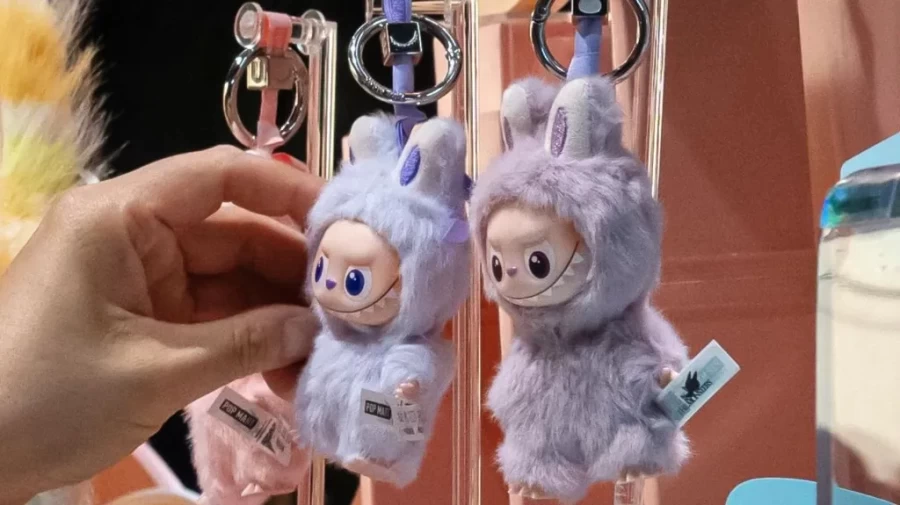
Pop Mart, the Chinese toy company renowned for its Labubu dolls, has announced a phenomenal surge in sales, driven primarily by the August launch of mini versions of its monster-themed toys, while the firm reported a global revenue increase of approximately 250% for the three months ending September, compared to the previous year.
International Growth Drivers
A significant portion of this growth was fueled by international markets. Revenue in America soared by more than 1,200%, while European sales witnessed an impressive rise of over 700%. This international expansion highlights the growing global appeal of Pop Mart's products. The company's shares reflected this success, gaining over 5. 5% in Hong Kong, pushing its market capitalization to approximately $45. 5 billion.
Celebrity Endorsements and Strategic Partnerships
The Labubu phenomenon has been Notably amplified by high-profile celebrity endorsements. Figures like Kim Kardashian and Lisa from K-pop group Blackpink have been seen with the dolls, particularly boosting their popularity in the US. Plus, strategic partnerships with major brands such as Coca-Cola and the popular manga franchise One Piece have broadened Labubu's reach and strengthened its global profile.
Blind Box Model and Market Concerns
Pop Mart employs a "blind box" marketing strategy, where toy contents are hidden until purchase. While this method generates excitement and collectibility, it has also drawn criticism for potentially encouraging gambling-like behavior. Despite recent concerns from investment banks like JPMorgan regarding potential overvaluation and sustainability of popularity, Pop Mart's shares, listed on the Hong Kong Stock Exchange since 2020, have climbed over 280% since their debut. The company continues to expand, operating over 2,000 vending machines and stores worldwide.
