
- India,
- 06-Aug-2026 05:12 PM IST



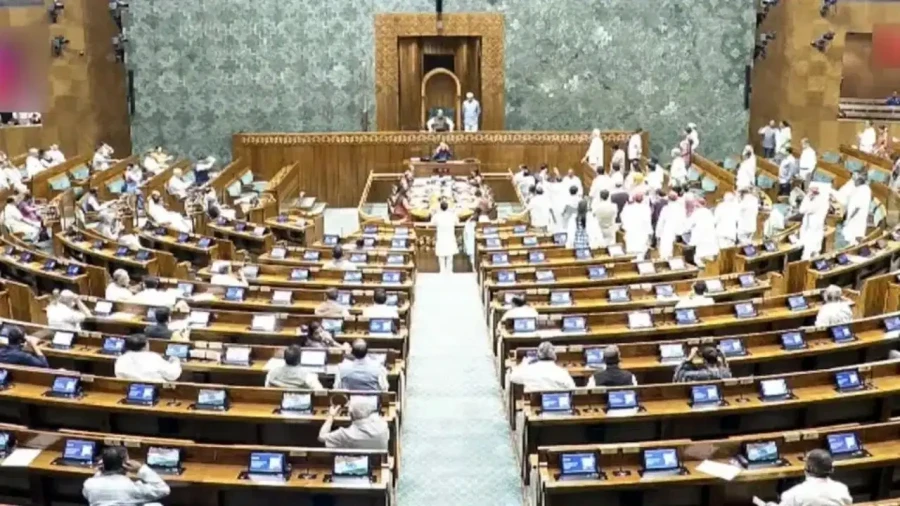
The landscape of digital payments in India is poised for a significant transformation following a major legislative development in the Parliament, while on Thursday, the Lok Sabha passed the Payment and Settlement Systems (Amendment) Bill, 2026, by voice vote. This crucial amendment effectively clears the legal path for the central government to decide whether charges, fees, or surcharges should be levied on digital payment methods, including the widely used Unified Payments Interface (UPI). The passage of this bill marks a potential end to the era of entirely free digital transactions, as the government now holds the statutory power to notify which electronic payment modes will attract fees.
The Shift from Free to Regulated Charges
Until now, the prevailing legal framework in India mandated that no bank or payment service provider could charge customers for transactions made through UPI or other government-mandated digital payment modes. This policy ensured that digital payments remained free for the general public, contributing Notably to the rapid adoption of cashless transactions across the country. However, the new amendment has fundamentally altered this scenario. Under the provisions of the Payment and Settlement Systems (Amendment) Bill, 2026, the central government has been granted the exclusive right to determine the fee structure for various electronic payment systems. This means that the government can now issue official notifications to allow the imposition of charges or a Merchant Discount Rate (MDR) on UPI and other digital platforms.
Rationale Behind the Legislative Change
The bill was introduced in the House by Union Finance Minister Nirmala Sitharaman as part of a broader taxation-related amendment package. The government has provided a clear rationale for this shift in policy. As India's digital payment ecosystem continues to expand at an unprecedented pace, the government believes it's essential to ensure the long-term security, robustness, and sustainability of the infrastructure. Banks, payment service providers, and the entities responsible for maintaining the payment architecture require a sustainable revenue model to continue their operations efficiently. The financial pressure caused by providing entirely free services has prompted the government to create a legal mechanism that allows for the recovery of costs through regulated charges.
Impact on Common Citizens and Merchants
The news of potential UPI charges has raised concerns among the general public who have become accustomed to the convenience of scanning QR codes and transferring money instantly without any extra cost. However, the current indications suggest that the impact may not be uniform across all types of transactions. It's anticipated that person-to-person (P2P) transactions, which involve individuals sending money to friends or family, may continue to remain free of charge. The primary focus of the new charges or MDR is expected to be on large-value transactions involving merchants, while by targeting commercial payments, the government aims to balance the need for revenue generation for service providers while protecting the interests of the average consumer who uses UPI for daily personal needs.
The Future of Digital Payments
While the bill has been passed, the specific details regarding when the charges will be implemented and what the exact rates will be are yet to be determined, while the government now possesses the legal authority to make these decisions through future notifications. The transition from a completely free model to a regulated fee-based system is seen as a step toward maturing the digital payment industry, while the convenience of using a smartphone to make instant payments has become an integral part of life for millions of Indians, and the government's challenge will be to implement these changes without hindering the momentum of digital adoption. For now, users don't need to panic, as the government will decide the specifics of the fee structure in due course, keeping the stability of the financial ecosystem in mind.