
- India,
- 13-Aug-2026 02:18 PM IST



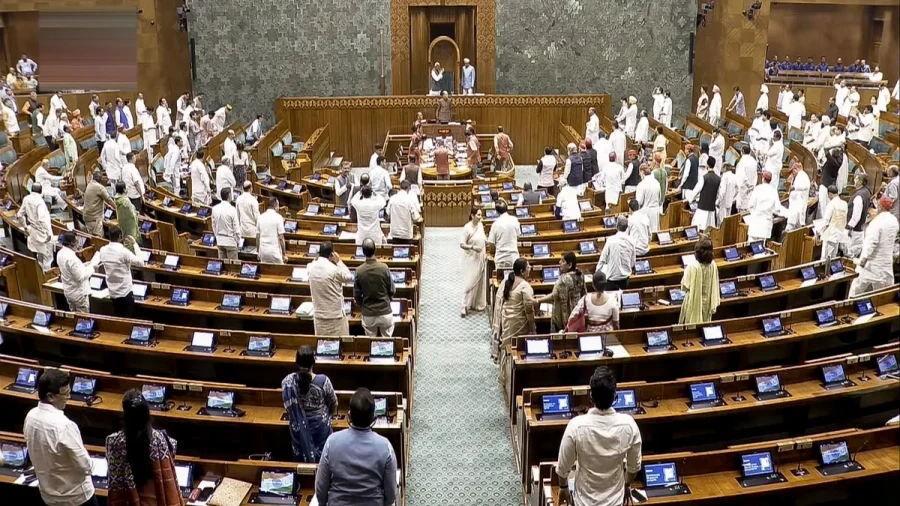
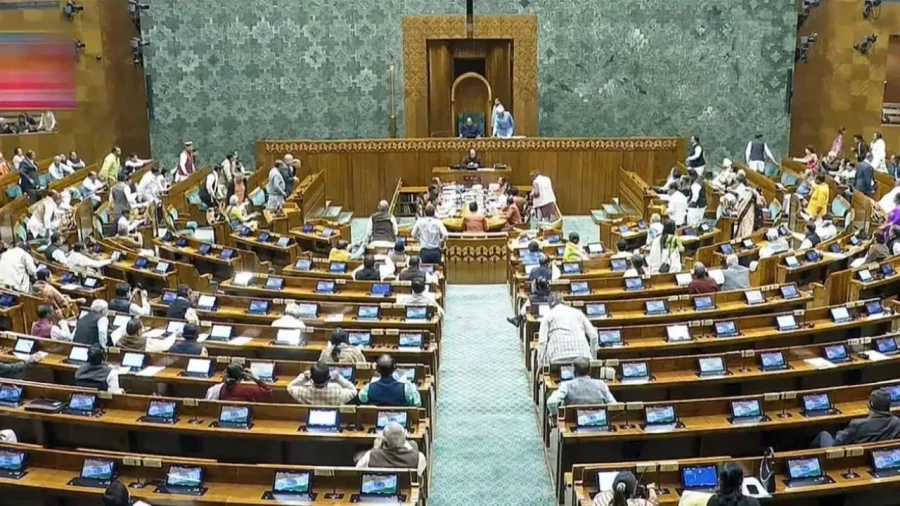
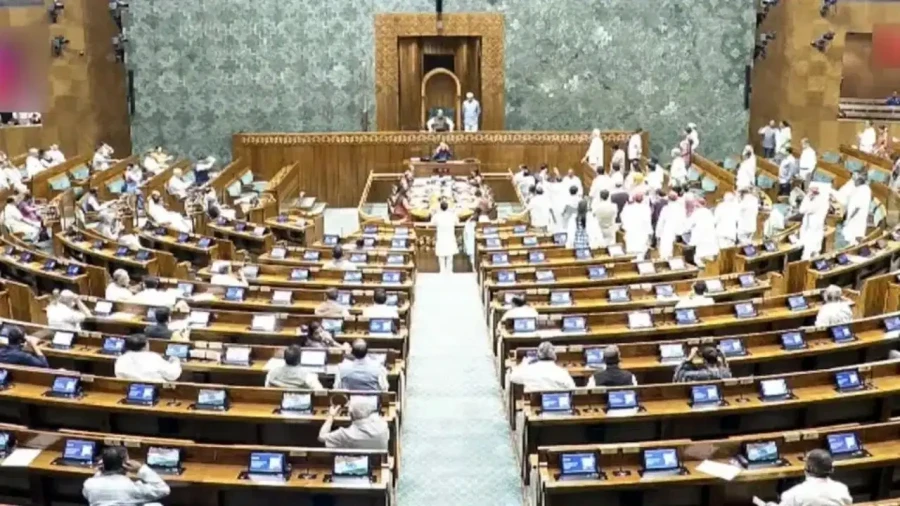
The Monsoon Session of Parliament for the year 2026 concluded on August 13, 2026, marking one of the most turbulent periods in recent legislative history. The session, which was scheduled to have 19 sittings, ended with both houses facing severe disruptions and frequent adjournments. On the final day, the Lok Sabha was adjourned sine die following the rendition of Vande Mataram, while the Rajya Sabha managed only about 1 hour of debate before its proceedings were also brought to a close. The entire session was characterized by intense protests and a significant lack of productive legislative work, leaving many key issues unaddressed or inadequately discussed, while the primary reasons for the deadlock included controversies surrounding donation theft, student protests at Jantar Mantar followed by police lathicharge, and the FCRA bill, which remained at the center of the political storm.
Productivity Crisis in Both Houses
According to data from PRS Legislative Research, the productivity of both houses was abysmally low. 17 percent. Out of the proposed 114 hours of scheduled work, the upper house functioned for only 37 hours 20 minutes. This means that approximately 76 hours 40 minutes of valuable legislative time were lost to disruptions. The situation in the Lok Sabha was even more dire, with productivity plummeting to just 19 percent. The lower house operated for a mere 17 hours 30 minutes throughout the 19 day session, resulting in a loss of 96 hours 30 minutes of scheduled time. In total, 173 hours 10 minutes were wasted across both houses, leading to a financial loss of approximately 175 crore rupees to the taxpayers.
Legislative Business and Bill Discussions
Despite the frequent disruptions, the government managed to pass 12 bills during the session. These included the Public Examinations (Prevention of Unfair Means) Bill, National Honour Bill, Registration of Births and Deaths Bill, Supreme Court Number of Judges Bill, MSME Bill, Taxation Bill, Bankers Books Evidence Bill, Tribunals Reforms Bill, Kerala Name Change Bill, NCDC Bill, and the MMDR Amendment Bill. However, the quality of debate was severely impacted. For instance, the Public Examination (Anti-Cheating) Bill saw the most discussion, with 10 hours 55 minutes in the Lok Sabha and 6 hours 39 minutes in the Rajya Sabha, totaling 17 hours 34 minutes. In contrast, several other bills were passed with minimal deliberation.
- Supreme Court Number of Judges Bill: 4 minutes in Lok Sabha, 2 hours 21 minutes in Rajya Sabha.
- Kerala Name Change Bill: 4 minutes in Lok Sabha, 2 hours 16 minutes in Rajya Sabha.
- Taxation and Other Laws Bill: 3 minutes in Lok Sabha, 2 hours 7 minutes in Rajya Sabha.
- Tribunals Reforms Bill: 12 minutes in Lok Sabha, 1 hour 52 minutes in Rajya Sabha.
- NCDC Amendment Bill: 10 minutes in Lok Sabha, 1 hour 42 minutes in Rajya Sabha.
- MSME Bill: 3 minutes in Lok Sabha, 1 hour 19 minutes in Rajya Sabha.
- National Honour Bill: 14 minutes in Lok Sabha, 1 hour 1 minute in Rajya Sabha.
- Bankers Books Bill: 5 minutes in Lok Sabha, 52 minutes in Rajya Sabha.
- Registration of Births and Deaths Bill: 4 minutes in Lok Sabha, 50 minutes in Rajya Sabha.
Political Deadlock and Unaddressed Issues
The session was also marked by specific political controversies. In the Rajya Sabha, Mallikarjun Kharge raised the issue of the alleged purification of a stage after his program in Haldwani, which led to further heated exchanges. The data also highlights the missed opportunities for parliamentary oversight. In the Rajya Sabha, members had 285 questions, 380 Zero Hour proposals, and 380 Special Mentions scheduled. However, only 16 questions, 52 Zero Hour proposals, and 93 Special Mentions could actually be taken up. The opposition accused the government of avoiding critical questions, while the treasury benches maintained they were always ready for discussion, while the frequent adjournments at 12 PM, 2 PM, and 5 PM became a daily routine, ultimately resulting in a session that failed to meet its legislative potential while placing a heavy financial burden on the common man.