

- India,
- 01-Jan-2026 09:15 PM IST


The Taliban regime in Afghanistan has once again carried out a large-scale administrative and military reshuffle. A total of 25 officials have been transferred or assigned new responsibilities. Directly on the orders of the Taliban's supreme leader, Mullah Haibatullah Akhundzada. This move signifies a significant shift within the Taliban's internal structure, where decision-making power appears to be increasingly centralized in the hands of the top leader.
Extensive Changes Across Ministries
These comprehensive changes involve governors of various provinces, key military commanders, corps commanders, and officials associated with local administration. Notably, these changes have been most prominent within the Ministry of Interior and the Ministry of Defense, highlighting the Taliban's intent to reorganize its security and governance systems. The objective behind these appointments and transfers seems to be to strengthen the Taliban's control and ensure unwavering loyalty towards its supreme leader.
Key Appointments and Transfers Detailed
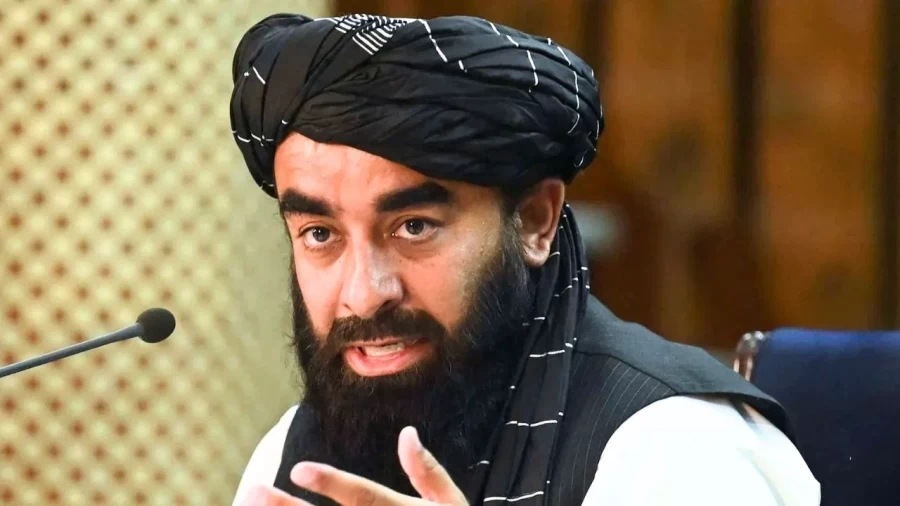
Taliban spokesperson Zabihullah Mujahid confirmed these changes on Thursday, stating that new officials have been appointed in several provinces under Haibatullah Akhundzada's directives. Kari Gul Haidar Shafaq has been named the new governor of Bamiyan province, a region of strategic importance. Meanwhile, Abdullah Sarhadi, the former governor of Bamiyan, has now been appointed as the governor of Jawzjan province, indicating a strategy of rotating officials across different regions to balance their reach and influence. Plus, the governor of Sar-e-Pul province has also been removed from his position, signaling the Taliban leadership's continuous adjustments to its administrative team.
New Responsibilities in Military and Civilian Roles
Ahmad Shah Dindost, who previously served as the commander of the 205th Al-Badr Corps, has been entrusted with the responsibility of the new governor of Sar-e-Pul. This appointment illustrates a trend where individuals with military backgrounds are being given significant roles in civilian administration. Similarly, Anzar Gul Abdullah, the former Chief of Staff of the 201st Khalid Bin Walid Corps, has been appointed as the deputy governor of Laghman province. Three crucial appointments have also been made in Kandahar, including a district governor, a commissioner, and a military commander, which are part of efforts to solidify the Taliban's grip on this region, while a total of 15 major changes have been implemented within the Ministry of Defense, pointing towards significant alterations in military leadership and structure.
Unconventional Appointments and Military Reorganization
Under these decisions, the former governor of Sar-e-Pul has now been appointed as the new commander of the 205th Al-Badr Corps,. While the former deputy commander of Panjshir province's special brigade has been appointed as the deputy commander of the same corps. Several other changes have also been made to the structure of military corps, which appear to be aimed at enhancing the Taliban's military capabilities and operational efficiency, while a notable aspect of these appointments is the deployment of two civilian officials to military positions. The former deputy minister for rural development in Helmand has been made the Chief of Staff of the 217th Omari Corps, and the former head of housing and urban development has been appointed as the commander of the second infantry brigade of the 205th Al-Badr Corps. This move highlights the Taliban's unique administrative style, where factors other than traditional expertise are prioritized.
Prioritizing Loyalty and War Experience
Experts suggest that these changes clearly indicate that the Taliban has not given as much. Importance to military expertise and professional experience as is typically expected in a modern administration. Instead, appointments have largely been made based on religious affiliation, unwavering loyalty to Mullah Haibatullah, and their experience on the battlefield, while this approach underscores the Taliban's ideological foundation and its mode of governance, where personal allegiance and religious commitment are valued above technical skills and professional qualifications. The implications of such a strategy could be far-reaching, potentially affecting the efficiency and effectiveness of the administration in. The long run, as specialized roles are filled by individuals whose primary qualification is loyalty rather than specific expertise.
Akhundzada's Direct Command
These reshuffles also make it evident that the real power in the Taliban regime is concentrated directly in the hands of the group's supreme leader, Mullah Haibatullah Akhundzada, while the role of ministers based in Kabul appears to be diminishing, with crucial decisions being made directly by Akhundzada, who is based in Kandahar. Previously, there were reports that Sirajuddin Haqqani had suggested forming a separate commission for security appointments, but the current decisions indicate that the final say still rests with Haibatullah Akhundzada, reaffirming his supreme authority and control. This centralized decision-making process is a critical aspect of the Taliban's governance model, which will continue to. Shape Afghanistan's administrative and security policies in the future, emphasizing a top-down approach to leadership and control.
