

- India,
- 11-Mar-2026 10:01 AM IST


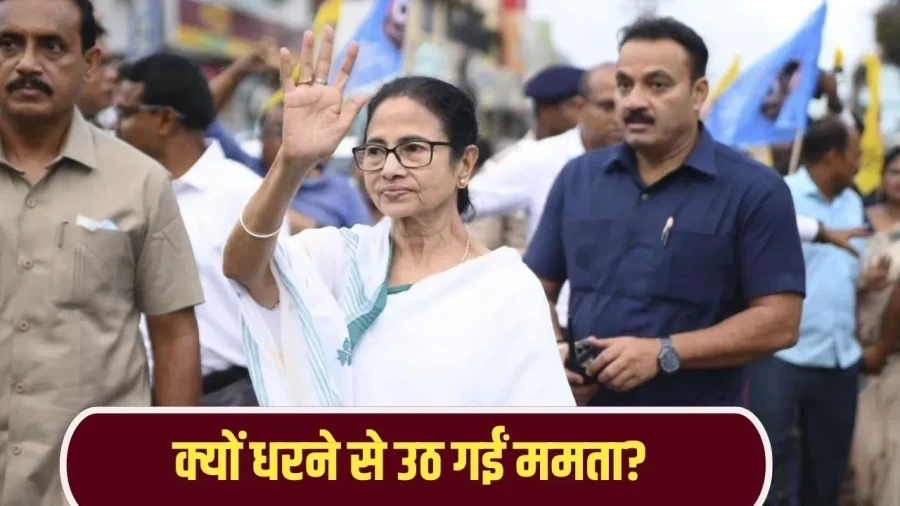
West Bengal Chief Minister Mamata Banerjee officially ended her five-day sit-in protest in Kolkata on Tuesday, March 10. The demonstration, which commenced on March 6 at Red Road, was organized to protest against the alleged mass deletion of names from the voter list and discrepancies in the electoral rolls. The Chief Minister decided to call off the protest following significant developments in the Supreme Court and a formal request from senior party leadership. Addressing the gathering, Banerjee described the conclusion of the protest as a victory for democratic principles and the rights of the common citizen.
Supreme Court Directives and Judicial Intervention
The primary catalyst for ending the protest was the intervention of the Supreme Court of India. During the proceedings on Tuesday, the apex court suggested the formation of a specialized tribunal or an appellate mechanism to address grievances related to the voter list. The court indicated that the Chief Justice of the Calcutta High Court could constitute a bench comprising former Chief Justices and High Court judges to handle these appeals. Also, the court directed the Election Commission (EC) to establish an appellate body for hearings. Mamata Banerjee welcomed these suggestions, stating that the judicial intervention has opened a 'closed door' for those who were wrongfully disenfranchised.
Core Grievances Regarding Voter List Deletions
The protest was centered on allegations that thousands of legitimate voters had been removed from the electoral rolls. The Chief Minister claimed that many individuals were erroneously declared deceased by the Election Commission despite being alive. She had previously vowed to present such individuals before the authorities to prove the discrepancies. Banerjee emphasized that her struggle was for those whose names were stuck in the 'adjudication' process, ensuring they regain their constitutional right to vote. She argued that the process lacked transparency and required immediate judicial oversight to prevent large-scale disenfranchisement ahead of the upcoming elections.
Abhishek Banerjee’s Appeal and Party Strategy
TMC General Secretary Abhishek Banerjee played a key role in the conclusion of the protest by making a formal appeal to the Chief Minister, while he stated that since the Supreme Court had acknowledged their demands and proposed a judicial framework for resolution, the party should transition from street protests to legal and organizational action. He informed the supporters that the fight would now move to the grassroots level, while abhishek Banerjee declared that TMC workers would remain vigilant across all 80,000 booths in the state to ensure a fair electoral process and to assist citizens whose names were missing from the lists.
Legal Proceedings and the March 25 Hearing
Despite ending the sit-in, the Chief Minister clarified that the legal battle is far from over. She noted that even if the Election Commission announces the election dates around March 15-16, the matter will remain pending in court. The next hearing in the Supreme Court is scheduled for March 25. Banerjee urged affected citizens not to lose hope, advising them to approach the party's legal cells or relevant authorities even up to a day before the elections if their names aren't restored. She reiterated that her petition remains active in the apex court and that the party will continue to pursue the matter until a final resolution is reached.
Administrative Impact and Future Course of Action
The five-day protest saw participation from various state ministers, Members of Parliament, and Legislative Assembly members, creating a significant political impact in West Bengal. The demonstration raised critical questions regarding the administrative procedures of the Election Commission. By calling off the protest, the TMC leadership has signaled a shift in strategy, focusing on the upcoming judicial proceedings and booth-level management. The Chief Minister emphasized that the court's suggestion to form a tribunal provides a legitimate platform for citizens to reclaim their voting rights, which she considers a major achievement of the five-day agitation.
