
- India,
- 31-May-2026 08:56 AM IST



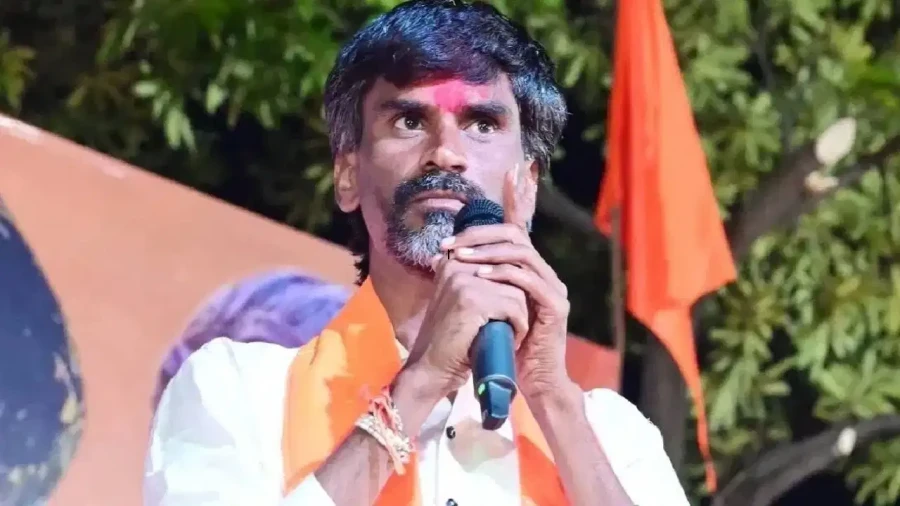
Maratha reservation activist Manoj Jarange Patil has officially ended his indefinite hunger strike following a successful round of negotiations with representatives from the Maharashtra government. The breakthrough came after a government delegation presented a comprehensive 12 point proposal to Jarange, addressing several key demands of the Maratha community. The government team, which played a crucial role in the negotiations, was led by Minister Radhakrishna Vikhe Patil and BJP विधायक Prasad Lad. Jarange, who had been fasting in his native village of Antarwali Sarati in Jalna district, decided to call off the protest late Saturday night after reviewing the government's commitments.
Key Agreements and the 12 Point Proposal
Addressing a large gathering of his supporters after ending the fast, Manoj Jarange revealed that the state government has agreed to issue Kunbi caste certificates based on 58 lakh previously identified records. This move is seen as a significant step toward providing OBC benefits to the Maratha community, while jarange explained that these documents and records will be prominently displayed in Gram Panchayat offices across the state to ensure transparency. The responsibility for the effective implementation of this process has been assigned to the Divisional Commissioner's office. Plus, Jarange emphasized that strict action should be taken against any officials who refuse to issue certificates despite the existence of valid records.
Financial Aid and Administrative Reforms
The 12 point proposal also includes a commitment from the government to provide financial assistance to the families of individuals who lost their lives during the Maratha reservation movement. This aid is expected to be distributed within a timeframe of 15 days. On top of that, the government has agreed to conduct a thorough review of the caste validity certificate process after 15 days to identify and resolve any procedural bottlenecks. Jarange also reiterated his demand for a separate ministry dedicated to the Maratha and Kunbi communities, a proposal that continues to gain traction within the movement. The government has also been urged to issue formal orders and notify all relevant administrative departments to ensure the promises are fulfilled on the ground.
Health Deterioration During the Protest
The hunger strike took a significant toll on Manoj Jarange's health, primarily because he chose to protest in an open field under the scorching sun without any shade or tent. Medical professionals monitoring his condition reported that he suffered from repeated bouts of vomiting and a drop in blood pressure. The extreme heat led to severe dehydration, causing concern among his followers and the administration. Following the end of his fast, doctors advised that he be moved to a hospital in Chhatrapati Sambhajinagar for a detailed medical examination and recovery. This was Jarange's 9th hunger strike in the last 3 years, highlighting the physical strain he has endured for the cause.
Background of the Movement
Antarwali Sarati, located approximately 400 kilometers from Mumbai, has become the epicenter of the Maratha quota struggle. Jarange's rise as the face of the movement began last year during a similar protest that saw police action, which further galvanized the community. His demands have consistently included the implementation of Hyderabad and Satara gazette records, the issuance of Kunbi certificates for OBC benefits, and the withdrawal of all police cases filed against Maratha protesters during previous demonstrations, while previously, Jarange had led a massive protest at Mumbai's Azad Maidan starting August 29 last year, which was eventually called off on September 2 after initial agreements with the state government. The latest resolution marks another chapter in the ongoing dialogue between the Maratha leadership and the Maharashtra administration.