
- India,
- 07-Aug-2026 07:15 PM IST



In a significant geopolitical development that marks a new era of military cooperation in the Islamic world, Pakistan, Saudi Arabia, and Turkey have officially signed a comprehensive joint defense agreement. This landmark pact, titled the Mecca Joint Defense Agreement, was formalized on Friday against the backdrop of escalating tensions across West Asia. The core principle of this agreement establishes a collective defense mechanism, stipulating that an attack on any one of the three signatory nations will be perceived and treated as an attack on all three countries, while this strategic move is seen as a major step toward creating a unified security front among these influential regional powers.
The Signing Ceremony at Al-Safa Palace
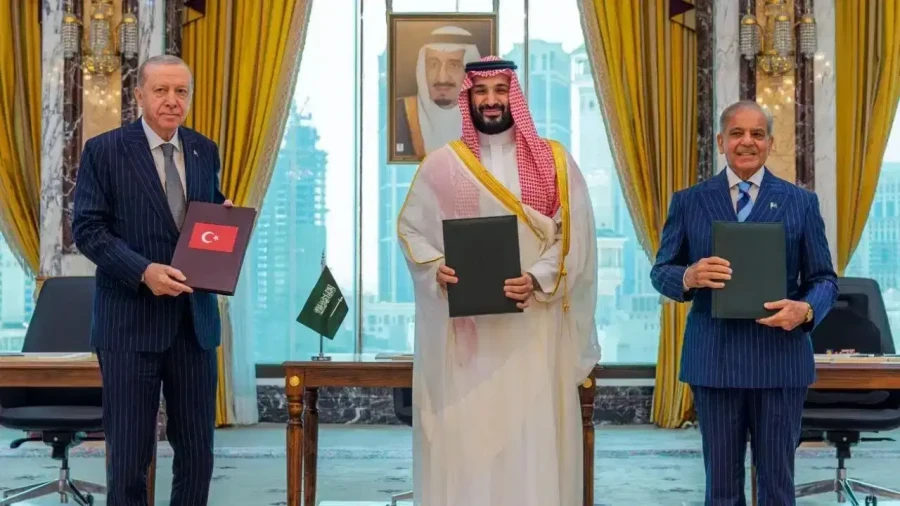
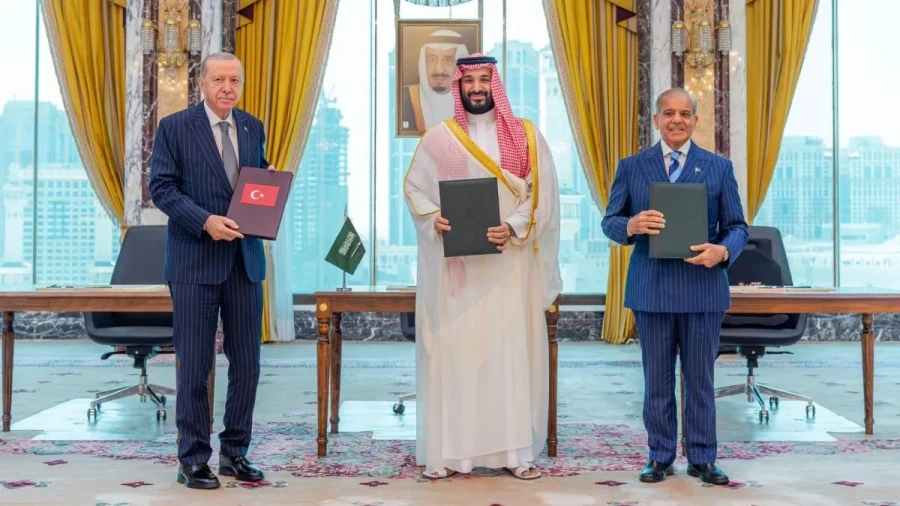
The historic signing took place at the Al-Safa Palace in Mecca, a location of immense symbolic importance. The agreement was signed during a high-level meeting attended by the top leadership of the three nations. Pakistan's Prime Minister Shehbaz Sharif, Saudi Arabia's Crown Prince and Prime Minister Mohammed bin Salman, and Turkey's President Recep Tayyip Erdogan personally led the delegations and put their signatures to the document. The meeting at the Al-Safa Palace served as the platform for the Mecca Summit for Joint Defense, where the leaders discussed the evolving security architecture of the region and the necessity of a coordinated response to external threats.
Objectives of the Mecca Joint Defense Agreement
The primary objective of the agreement, signed during the Mecca Al-Mukarramah Summit for Joint Defense, is to strengthen collective security against any form of aggressive action. It includes a specific provision stating that an armed attack on any of the three countries will be considered an attack on all three. Beyond immediate defense, the joint statement clarifies that the pact aims to enhance all aspects of defense cooperation between Pakistan, Saudi Arabia, and Turkey. This development comes at a critical time when conflicts in West Asia have expanded across multiple fronts, including the Red Sea and the Bab al-Mandeb Strait. These regional instabilities have prompted Gulf and neighboring nations to reinforce their security coordination, while the statement emphasized that the Mecca Agreement reflects a shared commitment to further strengthening collective security and promoting peace, security, and stability within the region and beyond, ensuring a secure and prosperous future.
Historical Context and Previous Agreements
This new tripartite agreement builds upon existing bilateral defense frameworks. In September of last year, Pakistan and Saudi Arabia had already signed a Strategic Mutual Defense Agreement. That previous pact also contained a promise that an attack on either country would be viewed as aggression against both. Under that framework, Pakistan had deployed its troops and aircraft to Saudi Arabia to assist with joint training, defense cooperation, and meeting the Kingdom's security requirements. The new Mecca Agreement is described as being inspired by the long-standing historical ties between the three nations. It's rooted in the strong bonds of brotherhood and Islamic solidarity that connect them, further advancing their shared strategic interests and long-term defense cooperation.
High-Level Delegations and Regional Tensions
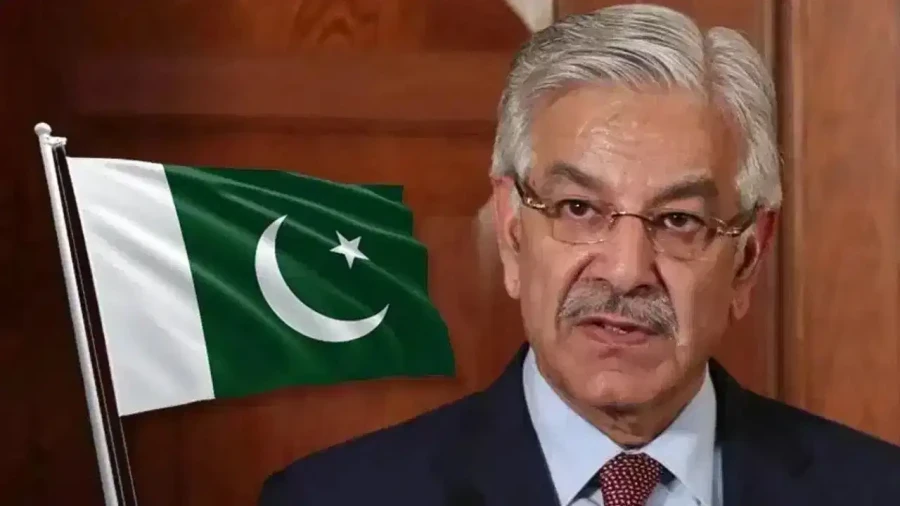
The meeting on Friday involved a thorough review of the relationships between the three sides and discussions on various issues of mutual interest. Prior to the main summit, Prime Minister Shehbaz Sharif and Pakistan's Chief of Army Staff, Field Marshal Asim Munir, met with the Saudi Crown Prince, while field Marshal Asim Munir had arrived in the Kingdom on Thursday for a three-day official visit. The Pakistani delegation also included Deputy Prime Minister and Foreign Minister Ishaq Dar, as well as Defense Minister Khawaja Asif, while the Foreign Office had noted on Thursday that while the visit occurs amidst rising tensions in the Gulf region, its significance transcends immediate crises. The visit and the subsequent agreement are intended to strengthen bilateral ties, deepen strategic cooperation, and increase alignment on regional and international issues of mutual interest, thereby bolstering multilateral cooperation.