
- India,
- 30-Sep-2026 01:18 PM IST



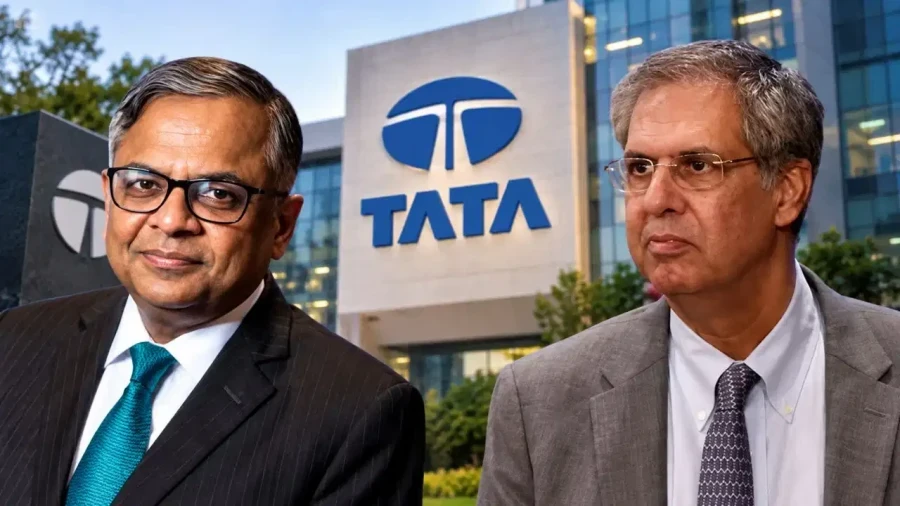
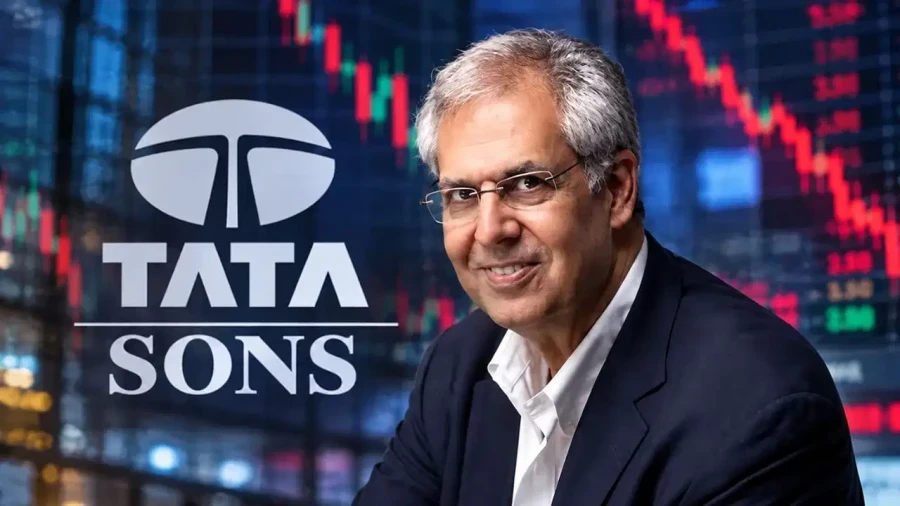
The Tata Group, one of India's most prestigious and largest business conglomerates, is currently navigating through a period of significant internal transition and debate. At the heart of this discussion is the future of Tata Sons, the holding company of the group. Noel Tata, the head of Tata Trusts, has emerged as a prominent voice against the proposed public listing or Initial Public Offering (IPO) of Tata Sons. In a recent interview with Republic TV, Noel Tata articulated his firm stance, stating that he's strictly against the idea of taking the company public. His concerns are rooted in the belief that such a move would fundamentally alter and potentially damage the 150 year old organizational structure that has provided the group with its unique strength and resilience for over a century and a half.
The Role of Tata Sons as a Financial Shield
According to Noel Tata, the primary function of Tata Sons over the last 150 years has been to act as a strong economic shield for its various subsidiary and associate companies. As a holding company, its role extends beyond mere management; it serves as a pillar of support during times of financial distress. Noel Tata explained that whenever a company within the Tata Group faces a difficult period or a financial crisis, Tata Sons steps in to provide the necessary capital and support to stabilize and revive the business. This internal support mechanism has built an unparalleled level of trust among banks, lending agencies, shareholders, and suppliers. These stakeholders operate with a sense of security, knowing that Tata Sons stands firmly behind its group companies as a protective barrier against market volatility.
The Threat Posed by Public Listing
The core of Noel Tata's opposition lies in the potential impact of external shareholders on this traditional support system. He fears that once Tata Sons becomes a publicly listed entity, the flexibility to support struggling or loss-making group companies will be severely curtailed. Public investors and external shareholders typically prioritize short-term financial returns and profitability. In such a scenario, investing capital into a subsidiary that's currently underperforming might face significant resistance from the market. Noel Tata believes that this shift in focus could weaken the very foundation of the group, as the ability to provide a safety net for its businesses is what defines the Tata Group's operational philosophy. The entry of external shareholders could lead to a conflict between the group's long-term vision and the market's demand for immediate profits.
Internal Conflict and the Boardroom Decision
The internal friction regarding the listing issue became public following a crucial board meeting of Tata Sons held on September 17. During this meeting, several major decisions were made, including the re-appointment of Natarajan Chandrasekaran as the Chairman for another 5 year term. However, the meeting also saw a significant disagreement over the company's listing plans. The board ultimately voted in favor of moving forward with the listing process, a decision in which Noel Tata found himself in the minority. Being outvoted on such a critical issue highlighted the differing perspectives within the top leadership of the Tata Group. While one faction seeks to modernize the financial structure through a public listing, Noel Tata remains steadfast in his conviction that preserving the original model is essential for the group's integrity.
A New Strategy to Avoid Mandatory Listing
To counter the pressure for a public listing, Tata Trusts, which holds approximately 66 percent stake in Tata Sons, has proposed an alternative strategy. The plan involves the merger of Tata Sons with two of its unlisted subsidiary companies: Tata Electronics Systems Solutions Private Limited and Tata Consulting Engineers. Noel Tata suggests that this merger would Notably enhance the financial structure of Tata Sons by increasing its own operating income, while the primary objective of this move is to reclassify Tata Sons so that it no longer falls under the strict Reserve Bank of India (RBI) regulations that mandate the listing of certain large Non-Banking Financial Companies (NBFCs). Noel Tata pointed out that there are several holding companies in India that successfully manage both operating and financial activities simultaneously. By increasing operating income, the company could reduce its reliance on investment income and maintain its traditional ownership model.
Impact on Philanthropy and the Mission of Tata Trusts
The Tata Group is globally recognized not just for its business empire, which spans from salt to SUVs, but also for its extensive philanthropic contributions. Noel Tata raised a poignant question regarding the impact of listing on the group's charitable mission. He argued that as a public company, Tata Sons would be under constant pressure to demonstrate superior financial performance to satisfy shareholders. This relentless pursuit of profit could potentially overshadow the philanthropic vision that has guided the group for decades. Since Tata Trusts owns 66 percent of the company, any change in the financial priorities of Tata Sons would directly affect the resources available for the Trust's charitable activities. Noel Tata expressed hope that the Reserve Bank of India would understand the gravity of this situation. He indicated a willingness to engage in deep discussions with the RBI to find a middle ground that respects both regulatory requirements and the unique nature of the Tata Group. The future of the 150 year old business model now rests on whether this new proposal will receive the necessary approvals from the Tata Sons board and the central bank.