
- India,
- 30-Sep-2026 01:07 PM IST



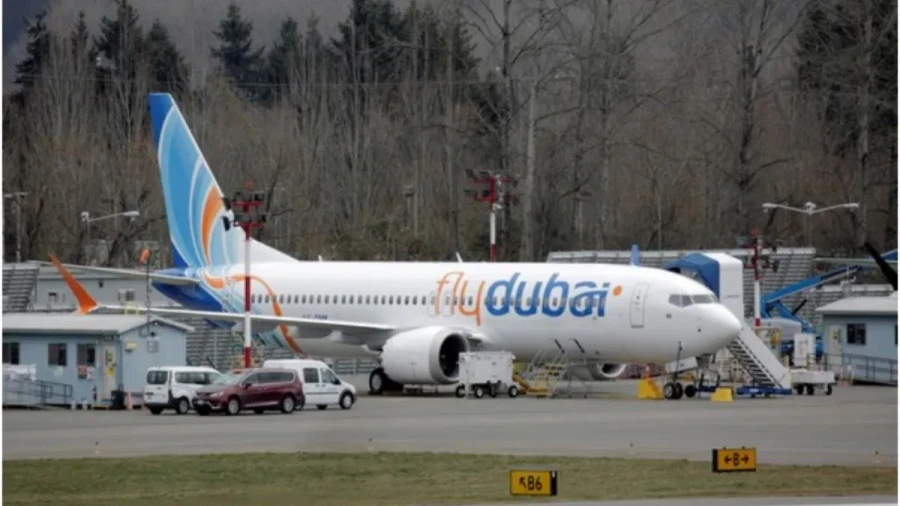
A major security scare unfolded in the Middle Eastern skies as a FlyDubai passenger aircraft, traveling from Dubai to Tel Aviv, triggered fears of a potential hijacking. The incident led to an immediate and high-level response from the Israeli defense forces and government officials. The flight, identified as FZ1073, was carrying more than 150 passengers, with reports specifically mentioning approximately 180 Israeli nationals on board. The situation escalated rapidly when the aircraft began transmitting emergency signals while flying over Saudi Arabian territory.
The Sequence of Emergency Alerts
According to flight tracking data and aviation reports, the FlyDubai aircraft issued an international emergency alert known as a Squawk Code. Initially, the flight transmitted Code 7700, which is a standard aviation signal indicating a general emergency on board. However, the tension increased Notably when the aircraft switched its signal to Code 7500. In aviation terminology, Code 7500 is a specific alert used to signal unlawful interference, which is commonly understood as a hijacking attempt. After some time, the aircraft reportedly switched back to the initial Code 7700, adding to the confusion and urgency of the situation.
Israel Scrambles Fighter Jets and Closes Airspace
The potential hijacking threat prompted an immediate military response from Israel. The Israeli Air Force was put on high alert, and fighter jets were scrambled toward the aircraft to intercept or monitor the situation. The gravity of the event led to the temporary closure of Israeli airspace to ensure national security. Also, the incident reached the highest levels of the Israeli government, where Prime Minister Benjamin Netanyahu and the Israeli Defense Minister held an emergency meeting to discuss the developing crisis and coordinate the defense response.
Diversion and Landing in Saudi Arabia
As the emergency unfolded, the aircraft diverted from its original path toward Tel Aviv. Flight tracking data showed the plane turning back while over Saudi Arabia. Ultimately, the FlyDubai flight made an unscheduled landing at an airport within Saudi Arabia. The diversion was a critical step in managing the emergency signals sent by the cockpit. Following the landing on Saudi soil, authorities conducted necessary checks to assess the situation on board the aircraft.
Hijack Fears Dismissed After Investigation
Once the aircraft had safely landed at the Saudi Arabian airport, the initial fears of a hijacking were thoroughly investigated and subsequently dismissed, while the emergency signals, which had caused widespread alarm across the region and led to the mobilization of combat aircraft, were evaluated. While the specific cause for the transmission of the hijack code wasn't immediately detailed beyond the standard emergency procedures, the safety of the 180 Israeli passengers and the crew was confirmed. Following the resolution of the incident and the landing of the plane in Saudi Arabia, Israeli airspace was reopened for normal operations.