
- India,
- 02-Oct-2026 08:58 PM IST



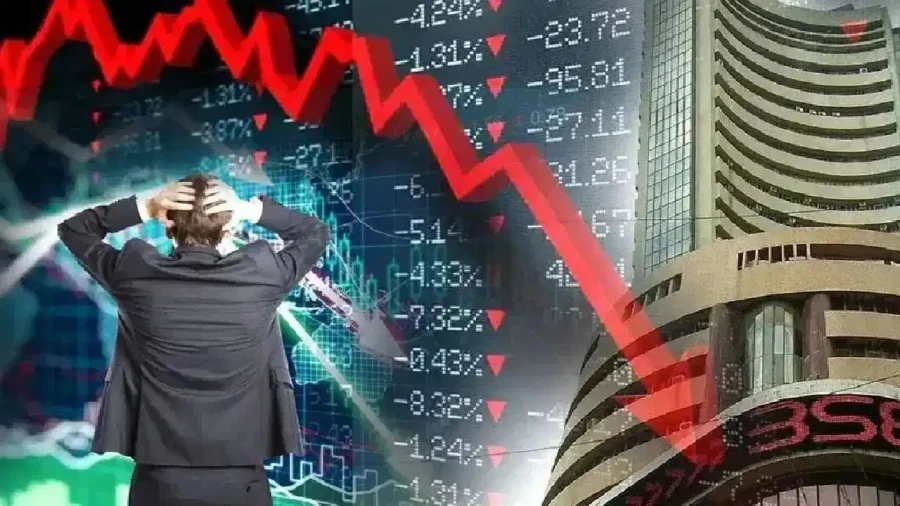
The Indian stock market is witnessing a significant wave of selling by Foreign Institutional Investors (FIIs), which has once again gained momentum, while over the last three trading sessions, foreign investors have offloaded Indian equities worth approximately 29,613 crore. This aggressive selling trend has raised concerns among market participants and has put the domestic indices under considerable pressure, while 03 lakh crore, highlighting a persistent exit from the Indian markets throughout the year.
Breakdown of the 3-Day Selling Spree
The intensity of the FII outflow can be understood by looking at the daily transaction figures. On September 29, FIIs recorded a net selling of 9,980 crore. This was followed by an even higher sell-off on September 30, when they pulled out 10,148 crore from the market. The trend continued into the new month, with October 1 seeing a net selling of 9,484 crore. 85 crore has exited the Indian equity market in just these three days. This indicates that the month of October has started on a bearish note for foreign investments.
The year 2026 has been particularly challenging in terms of foreign capital flows. From January to September, FIIs have remained net sellers in every single month. In September alone, the selling amounted to approximately 44,013 crore. 22 lakh crore. The continuous selling pressure suggests that global investors are recalibrating their portfolios in response to changing economic conditions.
Rising US Bond Yields as a Major Trigger
Market experts point towards the surge in US bond yields as one of the primary reasons behind this massive FII selling. 34 percent, reaching levels not seen in several decades. When US bond yields rise, they offer a higher, risk-free return in dollars, which often prompts global investors to move their capital out of emerging markets like India and back into the United States.
Accompanying the rise in yields is the strengthening of the Dollar Index, which has reached the 101-102 range. A stronger dollar makes investments in emerging market currencies less attractive. Analysts believe that as long as the US bond yields remain at these elevated levels, the pressure of FII outflows from the Indian market is likely to persist, as investors seek the safety and higher returns of US debt instruments.
Crude Oil Prices Above $100 Adding to Woes
Another major concern for the Indian economy and its stock market is the price of crude oil. Brent crude has been hovering around the $100 per barrel mark for an extended period. The ongoing tensions between the US and Iran have played a significant role in keeping oil prices high, with reports indicating a 65 percent increase in oil prices so far this year. Since India imports a vast majority of its crude oil requirements, high prices lead to a ballooning import bill.
Expensive oil has a direct impact on inflation and puts the Indian rupee under pressure. Market experts warn that if crude oil prices remain above $100 for a prolonged period, it could adversely affect India's economic growth and the profitability of domestic companies. This scenario creates a cautious environment for foreign investors, who worry about the potential impact on corporate earnings and the overall macroeconomic stability of the country.
Monsoon Deficit and Domestic Economic Concerns
On the domestic front, the performance of the monsoon has added to the list of worries for foreign investors. This year, a monsoon deficit of approximately 13 percent has been reported, with several states facing drought-like conditions. A weak monsoon is a critical concern for India as it directly impacts agricultural production and rural demand. Lower crop yields can lead to a spike in food prices, thereby increasing inflationary pressures.
The combination of high oil prices and a weak monsoon has also raised concerns regarding the trade deficit and the stability of the rupee. Foreign investors view these factors as potential risks to the Indian economy's growth trajectory, while the possibility of higher inflation and its impact on consumer spending is a key factor that FIIs are considering while deciding on their exposure to Indian equities.
Focus Shifts to the Upcoming RBI Meeting
With these global and domestic challenges in the backdrop, the market's attention is now firmly fixed on the upcoming monetary policy meeting of the Reserve Bank of India (RBI). Investors are keen to see how the central bank responds to the rising inflationary risks and the volatility in the currency market. The RBI's stance on interest rates and its outlook on economic growth will be crucial in determining the future direction of the market.
In addition to the RBI's decisions, investors will continue to monitor global indicators such as US bond yields, the movement of crude oil prices, and the final status of the monsoon. The duration and intensity of the FII selling spree will largely depend on how these economic variables evolve in the coming weeks. For now, the market remains in a cautious mode as it navigates through these multiple headwinds.