
- India,
- 02-Oct-2026 05:37 PM IST



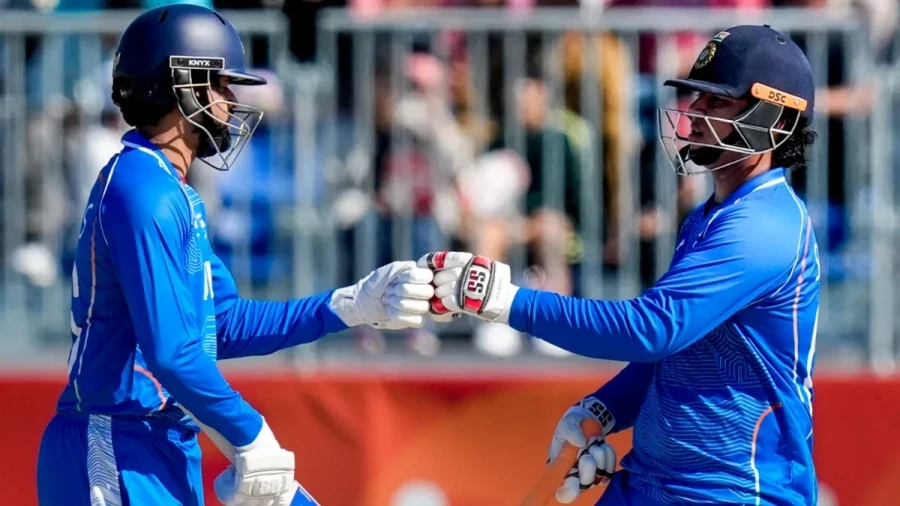
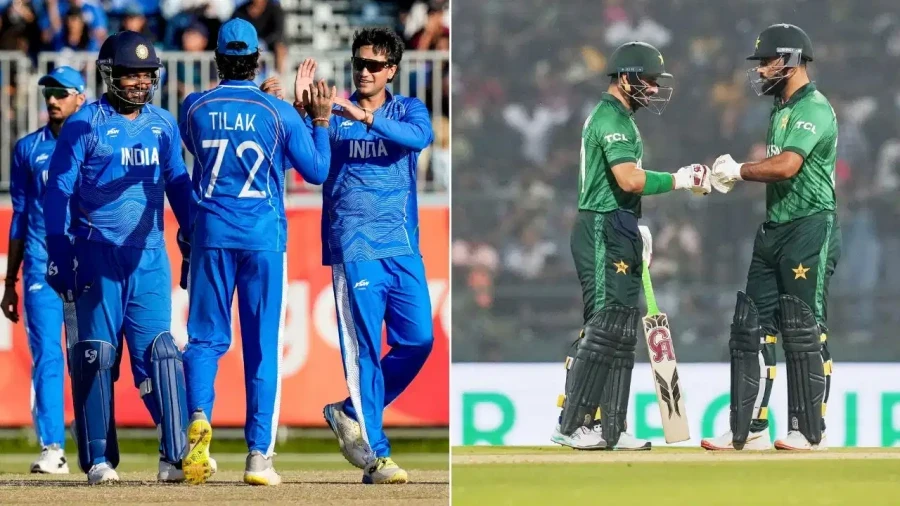
The men's cricket event at the Asian Games 2026 has reached its pinnacle with a high-stakes final scheduled between arch-rivals India and Pakistan. This title clash is set to commence at 10:00 AM Indian Standard Time. However, the shadow of inclement weather looms large over this grand finale, especially considering the tournament's history of rain interruptions at the same venue during the earlier stages, while the cricket community is closely watching the weather updates as the tournament organizers have implemented specific regulations to handle potential washouts in the medal matches.
Weather Challenges and Tournament Context
Throughout the Asian Games 2026, weather has played a significant role in determining the course of the cricket event. During the initial stages of the tournament, the same ground witnessed heavy torrential downpours that led to the cancellation of all four quarter-final matches without a single ball being bowled. While both semi-final matches managed to produce clear results, the threat of rain remains a major concern for the final match scheduled for Saturday. The lack of a reserve day for this mega encounter adds another layer of complexity to the situation, making the existing rules for match cancellation critical for both teams and fans.
The Joint Gold Medal Rule
According to media reports and the specific guidelines established for the Asian Games 2026, there is no reserve day allocated for the men's cricket final. In the event that the final match between India and Pakistan is cancelled due to rain or any other weather-related issues, the gold medal won't be awarded to a single team based on previous performance or rankings. Instead, both India and Pakistan will be declared joint winners and will both receive the Gold Medal. This rule ensures that in the absence of a completed game, the top two competing teams are recognized equally for reaching the final stage of the prestigious tournament.
Bronze Medal Match Regulations
The policy of sharing medals in case of a washout isn't limited to the final. The same rule applies to the third-place play-off, which determines the winner of the Bronze Medal. This match is scheduled between Bangladesh and Sri Lanka. If the encounter between these two nations is cancelled due to rain, the rule states that both Bangladesh and Sri Lanka will be awarded the Bronze Medal jointly. This consistency in rules for both the Gold and Bronze medal matches highlights the organizers' approach to handling weather disruptions in the final phases of the competition.
Comparison with 2023 Asian Games Rules
The regulations for the 2026 edition mark a significant departure from the rules applied during the previous Asian Games held in 2023. In the 2023 final, India faced Afghanistan in a match that was also interrupted by rain. 2 overs when play was stopped and couldn't be resumed. Under the rules at that time, the winner was decided based on the higher ICC T20I ranking. Consequently, the Indian team was declared the Gold Medal winner because of its superior global ranking compared to Afghanistan. However, for the 2026 edition, the advantage of higher ranking has been removed for the final and bronze medal matches.
Ranking Rule Application in 2026
It's important to note that the ranking-based rule wasn't entirely discarded for the 2026 edition but was restricted to the earlier rounds. Up until the quarter-final stage of the current tournament, the rule of advancing the higher-seeded or top-ranked team in case of a washout was still in effect, while this allowed the top-seeded teams to progress to the semi-finals when their quarter-final matches were cancelled due to rain. However, the organizers decided to change this approach for the Final and the Bronze Medal match, opting for shared medals instead of using rankings to determine a sole winner in the most critical matches of the event.